Water is one of those things that quietly shapes everyday life. We use it for cooking, drinking, bathing, cleaning, laundry, and a dozen other tasks without giving it much thought. That changes quickly when something feels off. Maybe there’s mineral buildup around the faucets, an unusual taste in the kitchen tap, or soap that never seems to rinse properly.
When water problems appear, the temptation is to buy the first treatment system that promises a fix. But homes aren’t identical, and neither are their water supplies. A solution that works beautifully for one family may be unnecessary—or even unsuitable—for another.
The smarter approach is to understand the water first, then look for treatment that matches the home.
Start by Understanding Your Water
Before choosing equipment, it helps to know what’s actually happening with your water. Municipal supplies and private wells can have very different characteristics. Even homes in the same neighborhood may experience differences because of plumbing, usage, or individual water sources.
A water test can reveal useful information about hardness, pH, chlorine, iron, sediment, and other characteristics. More detailed testing may be appropriate when a specific contaminant is suspected.
This doesn’t mean you need to become a water-quality expert overnight. It simply means you’re making a decision based on information instead of guesswork.
And honestly, that’s usually the better way to spend money.
Every Home Has Different Water Challenges
Some households struggle mainly with hard water. Others are bothered by chlorine taste or odor. A private well might have sediment, iron, sulfur-related odors, or another issue that requires attention.
This is where customized solutions can make a real difference. Instead of installing a generic system and hoping it works, treatment can be selected around the actual characteristics of the water.
For example, a home with significant hardness may benefit from a softener, while a household mainly concerned about drinking-water taste may need a point-of-use carbon filter.
The equipment should serve the problem—not the other way around.
Consider Your Water Usage
Water consumption is another important part of the equation.
A small household with two adults may use far less water than a large family with several bathrooms, frequent laundry loads, and long showers. A home with guests regularly visiting can have surprisingly high peak demand, too.
When selecting equipment, think about your daily water needs as well as those occasional busy periods.
System capacity and flow rate matter. If a treatment system can’t keep up when several fixtures are running, you may notice reduced performance exactly when you need it most.
Proper sizing helps avoid that situation.
Why System Sizing Matters
It can be tempting to assume that bigger equipment must be better. That’s not always true.
An undersized system may struggle with household demand, while an oversized system can cost more to purchase and operate without offering a meaningful benefit.
Sizing may depend on factors such as water hardness, flow rate, household size, daily consumption, and the type of treatment required.
A qualified professional can evaluate these factors and recommend equipment that makes practical sense for the property.
It’s a small detail during installation, but it can have a big effect over the life of the system.
Whole-Home or Point-of-Use Treatment?
One of the biggest decisions is whether you need to treat water throughout the house or only at selected faucets.
Whole-home treatment can make sense when a water-quality issue affects showers, laundry, appliances, plumbing, and drinking water. It allows treated water to reach multiple fixtures.
Point-of-use systems, on the other hand, focus on a particular faucet. They’re often useful when drinking and cooking water are the primary concerns.
Neither approach is automatically better.
If you’re trying to solve hard-water scale throughout your plumbing, treating only the kitchen faucet won’t address the shower or water heater. But if taste is your only concern, whole-home treatment might be more than you need.
Don’t Overlook Your Household Needs
Water treatment should fit your household needs, not simply a product brochure.
Think about how your family actually uses water. Do you have children? Several bathrooms? A private well? Frequent guests? Water-heavy appliances? A large garden that uses outdoor water?
These everyday details can influence the right setup.
Budget matters, too. Don’t forget to consider replacement filters, salt, electricity, servicing, and other ongoing expenses. The purchase price is only one part of the overall cost.
Choosing the Right Treatment Technology
Different water problems require different treatment methods.
Water softeners are designed primarily to reduce calcium and magnesium hardness. Activated carbon filtration is commonly used for certain taste and odor concerns, including chlorine. Sediment filters can capture particles, while reverse osmosis systems can reduce a range of dissolved substances in appropriate applications.
Specialized contaminants may require specialized equipment.
This is why a system advertised as an “all-in-one” answer deserves a closer look. Ask what it actually removes, under what conditions, and whether its performance has been independently verified.
A little research now can prevent an expensive mistake later.
Installation Deserves Attention
Even high-quality equipment needs proper installation.
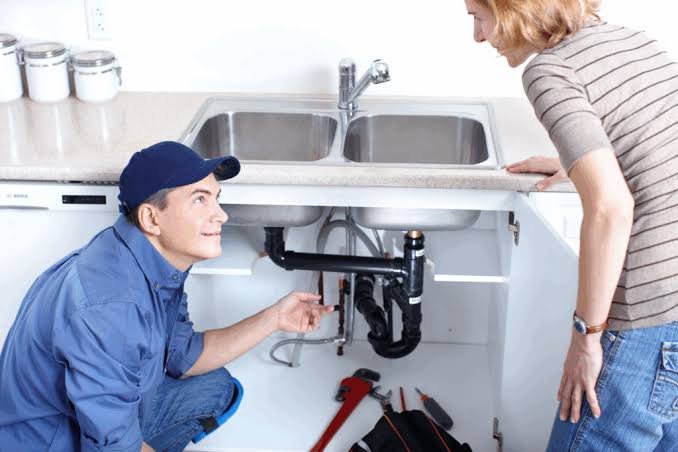
The system needs to be connected correctly, positioned where it can be maintained, and configured according to the manufacturer’s requirements. Drainage, water pressure, electrical connections, and available space may all need consideration depending on the equipment.
Think about future maintenance during installation.
If replacing a filter requires moving half the equipment in your utility room, you’ll probably be less enthusiastic about doing it on schedule. Convenient access matters more than people sometimes realize.
Maintenance Keeps the System Useful
No treatment system is completely maintenance-free.
Filters eventually need replacement. Softener systems may require salt. Treatment media can wear out. Components may need inspection or servicing.
Set calendar reminders for routine maintenance and keep track of when filters or other parts were replaced.
If you notice changes in taste, pressure, odor, or scale buildup, investigate rather than waiting for the system to fail completely.
Good maintenance isn’t exciting, but it protects the investment you’ve already made.
Think Beyond the Initial Purchase
A water treatment system should be considered a long-term household investment.
Compare equipment based not only on price but also on operating costs, replacement parts, maintenance requirements, warranty coverage, and expected service life.
A cheaper system isn’t necessarily cheaper over five or ten years. Likewise, the most expensive equipment isn’t automatically the best.
Look for value, reliability, and suitability.
Better Water Begins With the Right Fit
There isn’t one perfect water treatment system for every home. That’s actually a good thing.
It means homeowners have the opportunity to choose equipment based on their specific water conditions, lifestyle, budget, and priorities.
Start with testing. Understand the results. Think honestly about how your family uses water, and choose technology designed for the issue you’re actually trying to solve.
The best system is rarely the flashiest one. It’s the one that quietly does its job without creating unnecessary work.
When water treatment fits the home properly, you may not notice it every day—and that’s kind of the point. You simply get cleaner fixtures, easier maintenance, better water, and one less household problem demanding your attention.