Most of us expect the water coming from the tap to do its job without much fuss. It should taste fine, look clear, and work well for cooking, washing, and showering. So when the kettle starts collecting white scale, the bathroom fixtures develop rust-coloured marks, or the kitchen water has an odd smell, it’s hard not to wonder what’s changed.
These problems don’t always mean something serious is wrong, but they shouldn’t be dismissed if they keep returning. Water can vary in mineral content and other characteristics, and the right treatment depends on what’s actually causing the issue. Instead of buying equipment based on a guess, homeowners can take a few straightforward steps to understand their water and decide what to do next.
Start by Paying Attention to the Signs
Every home has its own water habits and challenges. In one household, hard water may leave spots on glassware and make soap harder to rinse away. Somewhere else, the main complaint might be sediment, an unpleasant taste, or an odour that becomes noticeable after the water has been sitting in the pipes.
These details provide a useful starting point. White deposits often point toward calcium and magnesium, the minerals responsible for water hardness. Orange or reddish-brown stains may be related to iron, while a chlorine-like smell can come from disinfectants used in public water supplies. Cloudiness, meanwhile, may have several causes, including tiny air bubbles or suspended particles.
Still, appearances can be misleading. Water that looks perfectly clear may contain substances that can’t be detected by sight, smell, or taste. And a stubborn stain doesn’t automatically mean the water is unsafe. Testing is the best way to move beyond assumptions and understand what you’re dealing with.
If you receive municipal water, review your supplier’s available water-quality report. If your home relies on a private well, regular testing is especially important because groundwater conditions can change over time.
Why a Water Test Can Make a Difference
A water test can help identify characteristics such as hardness, pH, iron, and other substances, depending on the method used. More specialised laboratory testing may be necessary when there’s a concern about a particular contaminant. The key is choosing a test that answers the question you actually have.
Some homeowners choose to request a free water test as an initial step toward understanding their water. This can be helpful when the provider clearly explains what’s being measured and how to interpret the results. Before agreeing, ask whether the test includes laboratory analysis or only basic on-site measurements. Also find out whether you’re expected to purchase a treatment system afterward.
A screening test can offer useful information, but it shouldn’t be treated as a complete assessment of every possible contaminant. If you have a specific health-related concern, make sure the testing method is appropriate for it and consult a qualified professional or relevant public health authority when needed.
Once the results are available, ask for an explanation in plain language. Which issue needs attention? Is it mainly affecting taste, cleaning, or plumbing? Does it require treatment, further testing, or perhaps no action at all? Good advice should make the choices clearer, not leave you feeling pressured or confused.
Choosing a Treatment System That Fits
Water treatment isn’t a one-product-fits-every-home business. Different technologies are designed for different purposes, and the equipment should match the water conditions as well as the household’s daily use.
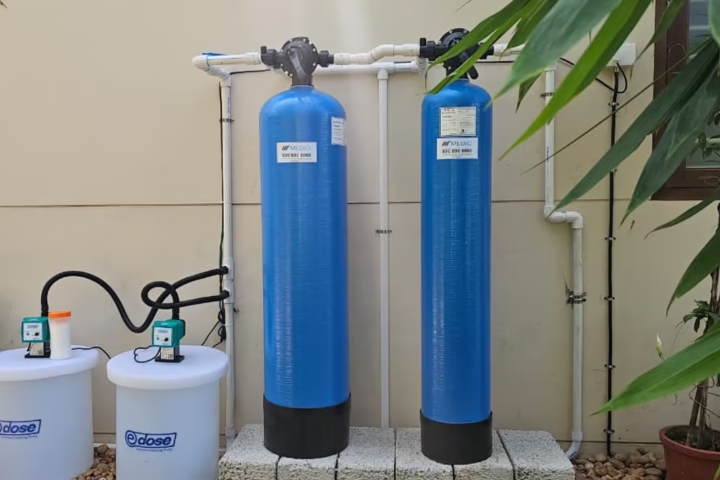
A sediment filter can capture particles suspended in water, while activated carbon may help reduce chlorine taste and odour when the system is designed for that purpose. A water softener can reduce hardness minerals that contribute to scale buildup. Reverse osmosis systems can reduce many dissolved substances from drinking water, depending on their design and tested performance.
Whole-home filtration may be useful when the concern affects several taps or appliances. A point-of-use filter, such as an under-sink unit, may be more practical when the main goal is improving drinking water at the kitchen sink.
Before making a decision, look at independent certifications and performance data. Check that the system has been tested for the specific substances you want to reduce. A product with several filtration stages isn’t necessarily more effective than a simpler model that’s properly matched to the problem.
Installation requirements also matter. Consider available space, water pressure, flow rate, replacement parts, and the cost of ongoing maintenance. The best system is one that does the job and remains manageable long after installation day.
Don’t Overlook Maintenance
Even reliable equipment needs attention. Filters collect particles and eventually reach the end of their useful life. Some systems require periodic cleaning, backwashing, sanitising, or replacement of specialised components. If maintenance is ignored, performance may decline, and the original water problem can return.
Keep a record of installation dates and recommended replacement intervals. A reminder on your phone can be surprisingly useful, particularly when different components have different service schedules. If the water suddenly changes in taste, smell, colour, or pressure, investigate rather than assuming the filter simply needs replacing.
Professional maintenance may be worthwhile when equipment is complicated or connected to the home’s main water line. If you’re unsure whether the issue is caused by the water supply, a fixture, or the treatment system, an inspection can help identify the source.
When to Ask for Professional Help
Some problems are simple enough to investigate yourself, but recurring stains, unusual odours, and persistent sediment may call for a more detailed assessment. A qualified provider can review test results, explain treatment options, and help determine whether filtration, softening, plumbing repairs, or additional testing makes the most sense.
If you’re unsure where to begin, contact us to discuss the water concerns you’re noticing and the options available for your home. Before agreeing to any work, ask for a clear explanation of the recommended solution, what it is designed to address, and what it won’t remove. A written estimate should outline installation costs, maintenance requirements, and any additional services.
If equipment already installed in your home isn’t working as expected, it’s worth explaining the symptoms and when they began. That information can help narrow down whether the system needs maintenance, replacement parts, or a more thorough inspection.
When an issue needs an on-site assessment or routine maintenance, you can schedule service at a convenient time. Having a professional check the system can help you avoid repeated guesswork and make sure the recommended treatment is appropriate for your home’s water conditions.
Make a Choice With Confidence
Better water starts with good information, not a rushed purchase. Notice what’s happening, use suitable testing to investigate the cause, and compare treatment options based on proven performance and long-term costs. Don’t be afraid to ask questions, especially when a recommendation sounds too broad or promises to solve every possible water problem.
The aim is simple: water that meets your household’s needs, equipment you can maintain, and a solution that makes sense for your budget. With a thoughtful approach, what began as an annoying stain or strange taste can become a manageable home improvement project—and one less thing to worry about in your daily routine.