Most of us turn on the kitchen tap without giving it much thought. We fill a glass, make tea, rinse vegetables, and get on with the day. Water is part of nearly everything we do, so it’s easy to assume that if it looks clear, it must be fine.
Unfortunately, appearances can be misleading. Water may contain dissolved minerals, trace metals, microorganisms, or other substances that aren’t visible to the naked eye. Sometimes the only clue is a metallic aftertaste or a stubborn stain around the sink. Other times, there may be no obvious warning at all.
The good news is that improving household water quality doesn’t have to involve guesswork or an expensive collection of gadgets. A little knowledge, the right testing, and a suitable filtration system can go a long way.
Understanding What May Be in Your Water
Water quality depends on where your supply comes from and how it reaches your home. Municipal water is generally treated before distribution, but its mineral content and taste can vary by region. Private wells have different considerations because groundwater conditions, nearby land use, and well maintenance can influence what’s present.
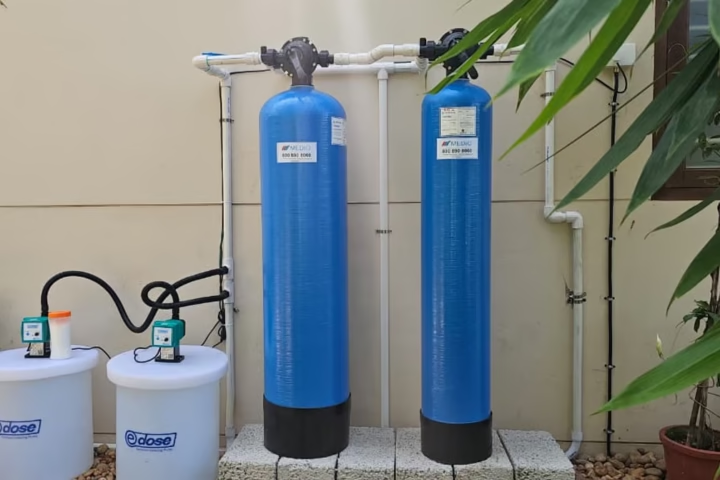
One common concern is iron and other contaminants, which can affect water in different ways. Iron may leave reddish-brown stains on sinks, laundry, and bathroom fixtures. Depending on its concentration and form, it can also create a metallic taste or contribute to deposits in pipes and appliances.
Other substances require a more careful assessment. Arsenic, lead, nitrates, and certain microorganisms can pose health concerns under particular conditions, even when the water looks perfectly normal. Their presence cannot reliably be determined by smell or appearance alone.
That’s why it’s important to identify the actual issue before choosing a treatment method. A product designed to remove iron, for example, may not address lead or bacteria. The right solution depends on the specific contaminants, their concentrations, and the intended use of the water.
Why Water Testing Should Come First
Buying a filtration system before testing your water is a bit like purchasing medicine without knowing what’s wrong. You might get lucky, but there’s a good chance you’ll spend money on something that doesn’t solve the problem.
A water test provides a clearer picture of what’s happening. For municipal supplies, reviewing the local water quality report can be a useful first step. If you’re concerned about your home’s plumbing, additional testing at the tap may help identify issues that occur after the water enters the property.
Private well owners should pay particular attention to routine testing. Depending on local recommendations and possible contamination sources, testing may cover bacteria, nitrates, pH, hardness, iron, and other substances. After flooding, well repairs, or a noticeable change in water quality, further testing may be necessary.
Use a qualified laboratory and follow its sampling instructions carefully. Poor sampling practices can affect the results, making an otherwise useful test less reliable.
Most importantly, don’t assume that one test answers every question. Different tests detect different substances, and a basic screening may not include everything relevant to your home. If the results raise concerns, a qualified water treatment professional or public health authority can help explain the findings and recommend appropriate next steps.
Choosing a Filter That Fits Your Needs
Walk into the water treatment market and you’ll find everything from inexpensive filter pitchers to sophisticated systems installed beneath the sink or at the main water supply. It’s tempting to believe that a more expensive product must be better, but price alone tells you very little about performance.
A good starting point is deciding what you want the filter to accomplish. Are you trying to improve taste, reduce sediment, address a specific dissolved contaminant, or provide additional protection against microorganisms? Each goal may call for a different technology.
Activated carbon filters are widely used to improve taste and odour and reduce chlorine. Some models are also certified to reduce particular contaminants, but their performance depends on the design and the substances they’re intended to remove.
Reverse osmosis systems can reduce many dissolved substances, including certain salts and metals, when properly designed and maintained. However, they aren’t automatically the best choice for every household. They require periodic filter changes, and many models produce wastewater during operation.
If microorganisms are the main concern, ultraviolet treatment may be appropriate. UV systems inactivate susceptible organisms but don’t remove dissolved chemicals, minerals, or suspended particles. Pretreatment may also be needed to ensure the light works effectively.
In short, don’t buy a system simply because its packaging lists an impressive number of features. Check the specific performance claims and independent certifications relevant to your concerns.
What Makes Drinking Water Taste Better?
Taste is one of the first things people notice when they begin paying attention to water quality. A glass may have a faint chemical smell, a metallic edge, or an earthy flavour that makes drinking less appealing. Even when these characteristics aren’t necessarily signs of a health risk, they’re worth investigating if they persist.
For many households, cleaner, better-tasting drinking water starts with identifying the source of the unpleasant flavour. Chlorine can create a swimming-pool-like smell, while iron may produce metallic notes. Organic compounds or conditions in household plumbing can contribute to other taste and odour changes.
Activated carbon filtration often helps with chlorine-related taste and odour. Iron removal may require oxidation and filtration, a specialised cartridge, or another treatment approach depending on the water chemistry. If the issue comes from old plumbing, replacing a filter won’t necessarily address the underlying cause.
Pay attention to sudden changes. If your water develops an unusual smell, colour, or taste, don’t simply cover it up with a stronger filter. Contact your water supplier if you’re connected to a municipal supply, or arrange appropriate testing if you use a private well. Until a potentially serious issue is understood, follow local public health advice about whether the water is safe to drink.
Don’t Overlook Water Safety at Home
Filtration equipment is only one part of maintaining water safety. Storage tanks, plumbing fixtures, filter housings, and household appliances all need reasonable care.
Filters should be replaced according to the manufacturer’s schedule. Leaving a cartridge in place long after its recommended service life can reduce performance, and some poorly maintained systems may support microbial growth. A filter that once worked well isn’t guaranteed to keep doing so indefinitely.
If your home uses a storage tank, periodic cleaning and inspection can help prevent the accumulation of dirt and other material. Private wells also need routine checks to ensure the cap, casing, and surrounding drainage remain in good condition.
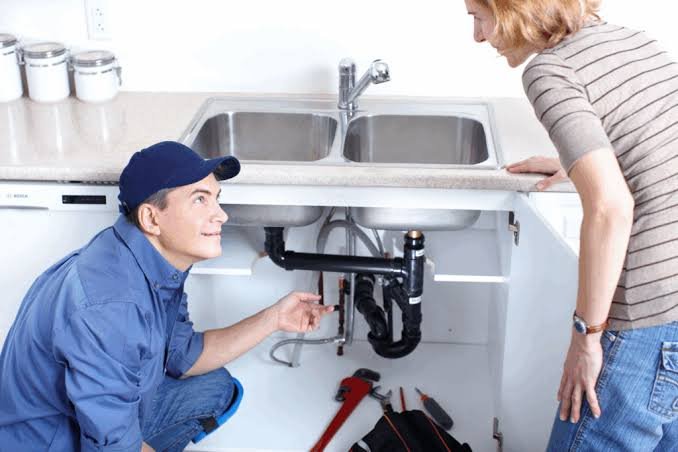
Pay attention to plumbing, too. Older pipes and fixtures may contribute lead or other metals to drinking water under certain circumstances. If you’re concerned about lead, use a test specifically designed to detect it and consult local guidance about appropriate corrective measures. Boiling water does not remove lead and can concentrate certain dissolved contaminants as water evaporates.
These details may not be as exciting as buying a new appliance, but they’re often what keep a treatment system useful over the long term.
Building a Water Treatment Plan That Lasts
A sensible household water plan doesn’t need to be complicated. Start by reviewing your supply, testing for relevant contaminants, and deciding which problems actually need attention. Then choose equipment with documented performance, realistic maintenance requirements, and a capacity suited to your household.
It’s also worth considering long-term costs. Replacement cartridges, electricity, servicing, and wastewater can add up. Ask how often components need attention and whether replacement parts will remain readily available.
Be wary of anyone who insists that every home needs the same expensive treatment package. Water quality varies, and a trustworthy recommendation should reflect your test results rather than a one-size-fits-all sales pitch.
A Better Glass of Water Begins With Good Information
Water is easy to overlook because it appears so ordinary. Yet the quality of what comes out of your tap can influence everyday comfort, appliance maintenance, and, in some cases, health.
The most effective approach is to replace assumptions with evidence. Test when appropriate, understand what the results mean, and select a treatment method designed for the specific issue. Keep the equipment maintained, and reassess the water when conditions change.
You don’t need the most elaborate system on the market to make a worthwhile improvement. You need the right information and a solution that fits your home. Once those pieces come together, every glass of water can feel a little less like a question mark and a little more like something you can trust.