Water is part of nearly everything we do at home. We drink it throughout the day, use it to prepare meals, make tea and coffee, and rely on it for countless everyday tasks. Because it’s so familiar, it’s easy to assume that water coming from a tap will always look, smell, and taste the way we expect. But water quality can be more complicated than that.
Sometimes, the signs are obvious. A glass of water may have an unusual taste, reddish stains may appear around a sink, or a strange odor may develop after a period of heavy rain. In other cases, there may be no visible warning at all. That’s why understanding water quality matters, whether you’re connected to a municipal supply or depend on a private well.
The goal isn’t to buy the most complicated filtration system available. It’s to understand your water, identify any genuine concerns, and choose a solution that works reliably for your household.
Understanding What Safe Drinking Water Really Means
Clean-looking water and safe water are not necessarily the same thing. Some substances can affect taste, color, or odor, while others may be present without producing any noticeable change. A glass of clear water cannot tell you everything you need to know about its quality.
Safe drinking water should meet applicable drinking water standards and be suitable for its intended use. That means considering microbiological safety, chemical contaminants, and other characteristics relevant to the water source. Public water suppliers generally treat and monitor their supplies, but household plumbing and local water conditions can still influence what comes out of the tap.
Private wells deserve particular attention because their quality can change over time. Heavy rainfall, flooding, nearby agricultural activity, and changes in groundwater conditions may affect the water. Regular testing helps identify potential concerns before they become more serious.
If you’re using well water, follow local public health guidance about testing for bacteria, nitrate, and other contaminants relevant to your area. If water suddenly changes in appearance, taste, or smell, don’t automatically assume a filter will solve the problem. Testing can help determine whether the source, plumbing, or treatment equipment needs attention.
Why Water Testing Should Come Before Filtration
It can be tempting to purchase a filter based on an online review or a recommendation from a friend. However, water quality varies significantly between properties. A system that works well in one home may not address the main concern in another.
Start by identifying your water source and any problems you’ve noticed. Is there persistent mineral buildup? Does the water have a chlorine-like taste? Are you concerned about a particular contaminant? These questions can help determine which tests may be useful.
Depending on the circumstances, testing might include hardness, pH, iron, manganese, nitrate, bacteria, or specific chemical contaminants. A basic home test kit can provide preliminary information about selected characteristics, but it cannot replace laboratory analysis for many health-related concerns.
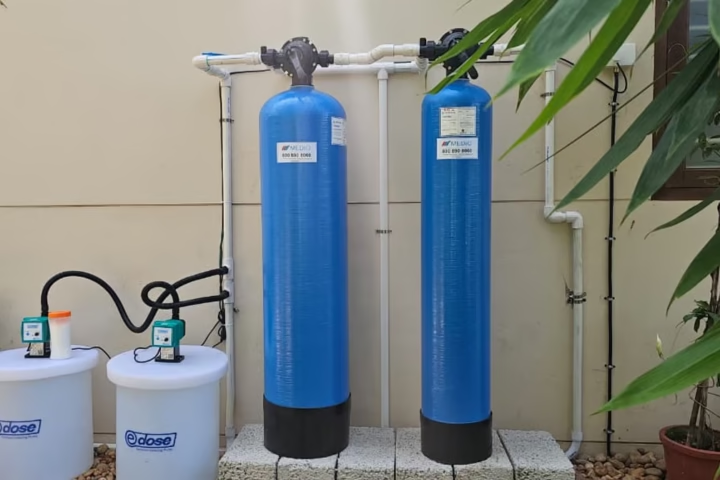
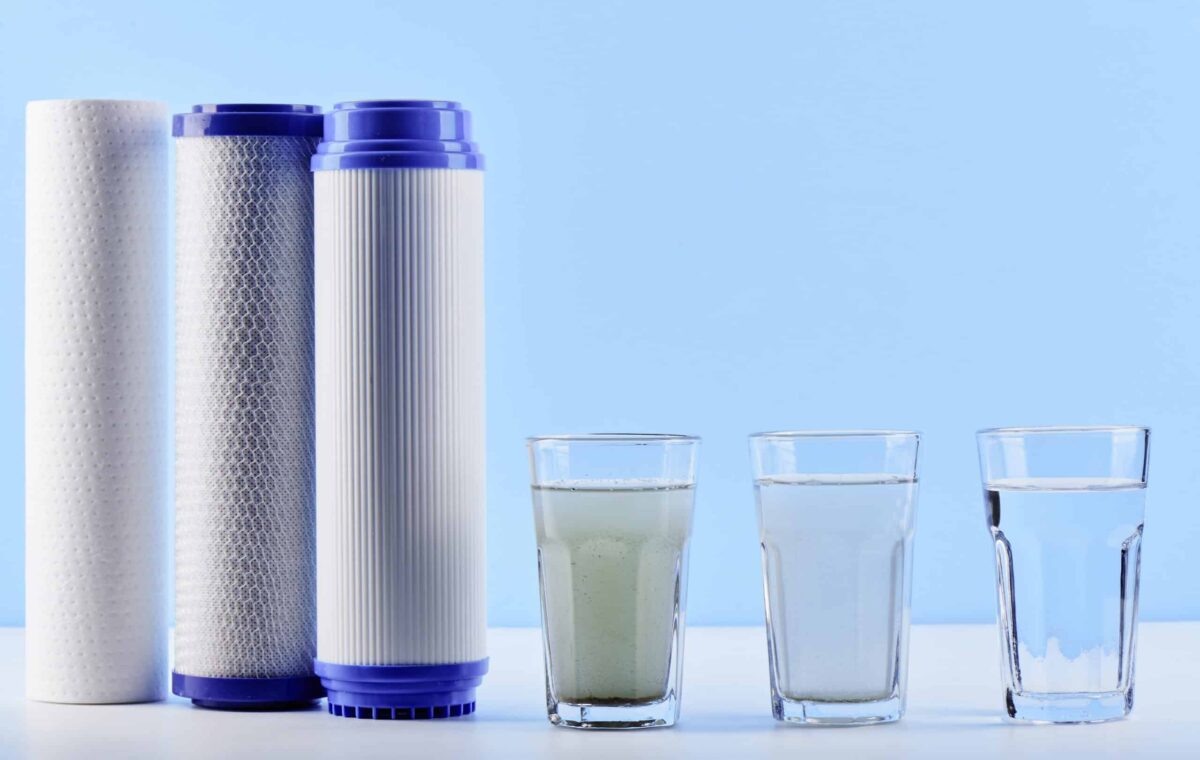
Testing is especially important when choosing advanced treatment equipment. Without knowing what needs to be reduced, it’s difficult to determine whether a sediment filter, activated carbon cartridge, water softener, or reverse osmosis system is appropriate.
A useful test result gives you a starting point. It also makes conversations with water treatment professionals more productive because you can discuss specific findings rather than relying on general claims about water quality.
Choosing Filters That Match Your Needs
Water filtration isn’t a single technology. Different filter materials are designed to handle different substances, and understanding these differences can prevent costly mistakes.
Sediment filters capture suspended particles such as sand, rust, and other debris, depending on their design and rating. Activated carbon filters can improve certain tastes and odors and reduce specific substances when tested and certified for those purposes. Water softeners primarily reduce hardness minerals, helping limit scale buildup on fixtures and appliances.
Reverse osmosis systems use a semipermeable membrane to reduce many dissolved substances. They are often installed beneath a kitchen sink to supply treated water for drinking and cooking. However, they require maintenance and typically produce a separate wastewater stream.
The important thing is to match the treatment method to the actual water concern. A standard carbon filter won’t necessarily remove dissolved salts, and a softener shouldn’t be treated as a universal contaminant-removal device.
When comparing products, look for independently verified performance claims. Certifications from recognized organizations, including NSF and ANSI programs, can help establish whether a product has been evaluated for specific functions. Check exactly what the certification covers rather than assuming that every filter reduces every contaminant.
The Appeal of Sealed Low-Maintenance Filters
One reason some homeowners prefer simpler filtration products is convenience. Nobody wants to spend every few weeks troubleshooting equipment or struggling to replace a cartridge in a cramped cabinet beneath the sink.
Sealed low-maintenance filters can appeal to people who want a straightforward treatment option with fewer routine handling steps. Depending on the product, a sealed cartridge may allow the user to replace the entire filter assembly rather than open a housing and handle the internal media.
This design can make cartridge changes cleaner and more convenient. It may also reduce direct contact with accumulated sediment inside the filter housing. However, the benefits depend on the specific product, and a sealed design does not automatically mean that a filter lasts longer or performs better.
Before choosing one, check the recommended replacement interval, rated capacity, flow rate, and availability of replacement cartridges. Some filters use proprietary cartridges, so it’s worth confirming their long-term cost and whether they’re easy to purchase.
Most importantly, follow the manufacturer’s maintenance instructions. Even a convenient filter needs replacing when its rated capacity or service life is reached. Leaving a cartridge in place indefinitely can reduce performance and may compromise the intended treatment results.
When Advanced Contaminant Reduction Is Necessary
Some water quality concerns require more specialized treatment than ordinary taste-and-odor filtration. Depending on the source and test results, these may include certain dissolved metals, nitrate, fluoride, or other substances that need a specifically designed treatment process.
Advanced contaminants should be addressed using equipment that has been evaluated for the particular substance and the concentration involved. For example, certain reverse osmosis systems can reduce specific dissolved contaminants, while specialized adsorptive media may be suitable for others. The appropriate choice depends on the contaminant, water chemistry, and treatment conditions.
This is where broad marketing promises deserve careful scrutiny. A product advertised as a purifier may not have been tested against every contaminant that concerns you. Review its technical documentation and look for independent evidence supporting the specific reduction claims.
If laboratory results indicate a health-related concern, follow the recommendations provided by the testing laboratory or relevant public health authority. In some circumstances, temporary precautions or an alternative drinking water source may be necessary while the problem is investigated.
Filtration can be an effective part of a water safety plan, but it should not replace proper testing or professional advice when a serious concern has been identified.
Installation and Regular Maintenance Matter
Even a suitable filtration system can underperform if it is installed incorrectly or neglected. Incorrect connections, unsuitable water pressure, poor drainage arrangements, and overdue cartridge replacements can all affect how well a unit works.
Before installation, check the available space, plumbing connections, and any electrical or drainage requirements. Straightforward countertop filters may be easy to set up, while more complex under-sink or whole-house systems may benefit from professional installation.
After the system is running, learn how to recognize common warning signs. Reduced flow may indicate a clogged filter, while a sudden change in taste could point to a cartridge issue or a change in the incoming water. Keep a record of installation dates, filter replacements, and relevant water test results.
Maintenance schedules should follow the manufacturer’s recommendations and reflect actual water conditions and usage. A household with high sediment levels may need more frequent filter changes than one with relatively clean incoming water.
Make Water Quality an Informed Decision
Choosing a water treatment system doesn’t have to be complicated. Begin with the water source, investigate any concerns, and use appropriate testing to establish what needs attention. From there, compare treatment technologies, verified performance claims, maintenance requirements, and total ownership costs.
A simple filter may be enough to improve taste, while another household may need a more specialized system. Neither choice is automatically better; what matters is whether the equipment addresses the identified problem.
Good water management is less about buying impressive technology and more about making sensible decisions. With reliable testing, suitable filtration, and regular maintenance, you can approach your household’s water quality with greater confidence and avoid spending money on features you don’t really need.