Plumbing systems are essential to keeping Dallas homes and businesses comfortable and functional. From kitchen faucets and bathroom fixtures to water heaters and sewer lines, every component needs to work properly to prevent disruptions. Small plumbing problems often start with simple warning signs, such as slow drainage, dripping faucets, or unusual water pressure.
Understanding plumbing services in Dallas, TX helps property owners know when routine maintenance is enough and when professional attention is necessary. Common services include leak detection and repair, drain cleaning, water heater repair and installation, sewer line inspection and repair, hydro jetting, and water pressure testing. Different plumbing problems require different approaches, so identifying the source of an issue is important before attempting a repair. A proper inspection also helps prevent temporary fixes from turning into larger plumbing concerns.
Plumbing Services for Dallas Properties
Dallas homeowners and businesses may need different plumbing services depending on the age, layout, and condition of their systems. Leak detection helps locate hidden water loss, while drain cleaning removes buildup that restricts water flow. Sewer line inspections can identify blockages or damaged pipes, and hydro jetting uses high-pressure water to clear stubborn buildup from suitable drain and sewer lines. Professional plumbers may also provide water heater services, fixture repairs, pipe repairs, and water pressure adjustments.
Common Plumbing Problems in Dallas
Dallas properties experience several common plumbing issues. Some develop gradually, while others appear without warning. Knowing the signs helps you respond before significant damage occurs.
Slab Leaks and Leaking Pipes
Leaks can occur around faucets, supply lines, toilets, exposed pipes, or beneath a concrete foundation. A slab leak may cause unexplained increases in water usage, warm or damp flooring, sounds of running water, or moisture around the foundation. Even a small leak can waste water and create moisture that damages cabinets, flooring, walls, or other nearby materials. Check visible plumbing connections regularly for dampness, corrosion, or water stains.
Clogged Drains and Hydro Jetting
Slow or blocked drains are often caused by accumulated hair, grease, soap residue, food particles, or other debris. Repeated clogs indicate that the blockage could be deeper within the drain line. Avoid relying on chemical drain cleaners as a regular solution because strong acidic or caustic chemicals can corrode or weaken some metal pipes, damage older cast-iron plumbing, and deteriorate certain seals or fittings. For suitable plumbing systems, hydro jetting can use high-pressure water to remove stubborn grease, mineral deposits, and buildup from the inside of drain and sewer lines.
Sewer Line Problems
Sewer line issues can produce recurring drain backups, unpleasant odors, unusually wet areas, or slow drainage throughout a property. Older Dallas properties may contain cast-iron sewer lines, which can deteriorate through corrosion, cracking, or scaling over time. Professional sewer inspections can help determine whether cleaning, repair, or replacement is appropriate.
Water Heater Issues
A water heater that produces inconsistent temperatures, makes unusual noises, or shows signs of leakage needs attention. Sediment accumulation inside a tank-style water heater can affect efficiency and contribute to operating problems. An anode rod helps protect the tank from corrosion and may need inspection or replacement as it wears down. Regular inspection helps identify developing issues early.
Tankless water heaters are another option for properties that want on-demand hot water without storing heated water in a conventional tank. However, they still require appropriate maintenance and professional evaluation when performance problems occur.
When Professional Plumbing Help Is Needed
Some plumbing problems require more than basic household tools. Persistent leaks, recurring drain blockages, sewer odors, low water pressure, and sudden changes in water usage deserve professional evaluation.
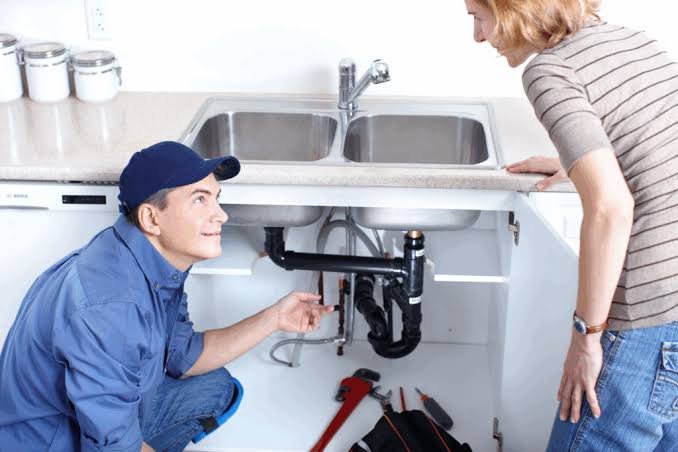
A plumber can inspect the system and determine whether the problem involves a fixture, supply line, drainpipe, sewer line, or another component. A water pressure regulator may also need inspection when pressure is consistently too high or fluctuates unexpectedly. For underground sewer concerns, camera inspections provide a direct view of the inside of a pipe and help identify obstructions, cracks, root intrusion, or other damage.
Professional diagnosis is particularly important when a problem keeps returning. Repeatedly treating the symptom without addressing the underlying cause often leads to additional repairs and unnecessary expense.
How Regular Maintenance Protects Your Plumbing
Routine maintenance helps you identify problems before they become disruptive. Inspect exposed pipes and connections for corrosion or moisture, and address dripping faucets promptly. Use sink strainers to keep food particles and debris out of kitchen drains.
You should also avoid flushing wipes, paper products other than toilet paper, grease, or household objects that are not designed to pass through plumbing systems. These materials can contribute to blockages and create problems farther down the drain line.
For properties with older plumbing, periodic professional inspections provide another layer of protection. An inspection can reveal worn components and developing problems that are difficult to notice during normal daily use.
Choosing the Right Plumbing Solution in Dallas
When a plumbing problem occurs, the appropriate solution depends on its cause, location, severity, and the condition of the existing system. A qualified professional should explain the findings and outline the available repair options before work begins.
For Dallas homeowners and businesses, timely attention to plumbing problems protects the property, reduces water waste, and helps maintain reliable access to essential fixtures. If you notice persistent leaks, slow drains, sewer odors, unusual water pressure, or water heater problems, arrange a professional inspection and address the issue before it causes more extensive damage.