A house can look wonderful when you first move in, but maintaining that appearance takes consistent effort. Over the years, paint begins to fade, hardware becomes loose, exterior surfaces experience weather damage, and certain household features need replacing.
It happens even in properties that receive plenty of attention.
The challenge for many homeowners is keeping up with these responsibilities while managing work, family commitments, and everyday life. Fortunately, maintaining a property doesn’t necessarily involve expensive renovations or endless weekends spent completing repairs.
With timely professional assistance, carefully planned improvements, and appropriate protective finishes, homeowners can preserve their property’s appearance and functionality while creating a comfortable living environment.
The secret is giving smaller maintenance projects the attention they deserve before they turn into bigger problems.
Building a Practical Routine for Long-Term Property Care
Every season brings different maintenance requirements. Summer temperatures can affect exterior finishes, rainy weather may expose damaged seals, and everyday household activities gradually contribute to interior wear.
Effective home maintenance for homeowners involves identifying developing problems, prioritizing necessary repairs, and establishing a manageable routine that protects the property’s overall condition.
Start by occasionally walking through your home and inspecting frequently used areas. Look at door frames, window seals, flooring, cabinetry, and exterior wooden features.
You might discover a loose handrail that needs securing or a section of outdoor trim showing early signs of deterioration.
These problems are often easier and less expensive to address when discovered early.
Keeping a written maintenance checklist can also help you organize tasks according to their urgency. Projects involving safety, security, and moisture protection should generally receive priority over decorative improvements.
Fortunately, you don’t need to complete everything simultaneously.
Breaking maintenance responsibilities into smaller, manageable projects can make homeownership feel considerably less demanding while helping preserve your property’s long-term value.
Improving Everyday Functionality Through Professional Repairs and Installations
Sometimes, the features that cause the most frustration aren’t particularly complicated. A sticking drawer, an unstable shelf, or a bedroom door that doesn’t latch correctly can interrupt everyday routines more than you might expect.
Professional residential repair and installation assistance helps homeowners restore damaged features and introduce practical improvements without undertaking extensive construction work.
Common projects might include installing shelving, replacing cabinet hardware, repairing damaged trim, mounting household accessories, and adjusting doors.
Consider a kitchen where storage has become increasingly difficult to manage. Installing suitable shelving and improving cabinet functionality could create a more organized environment without requiring a complete kitchen remodel.
Professional installation also matters when dealing with features that need secure mounting. Shelves, handrails, and heavier household accessories should be installed using suitable methods and hardware.
An experienced handyman can assess the surrounding materials, recommend appropriate components, and explain any limitations.
However, certain electrical, plumbing, structural, and gas-related installations may require appropriately licensed specialists.
Choosing the right professional for each task helps ensure improvements are completed responsibly while avoiding unnecessary complications.
Refreshing and Protecting Your Property With Quality Paintwork
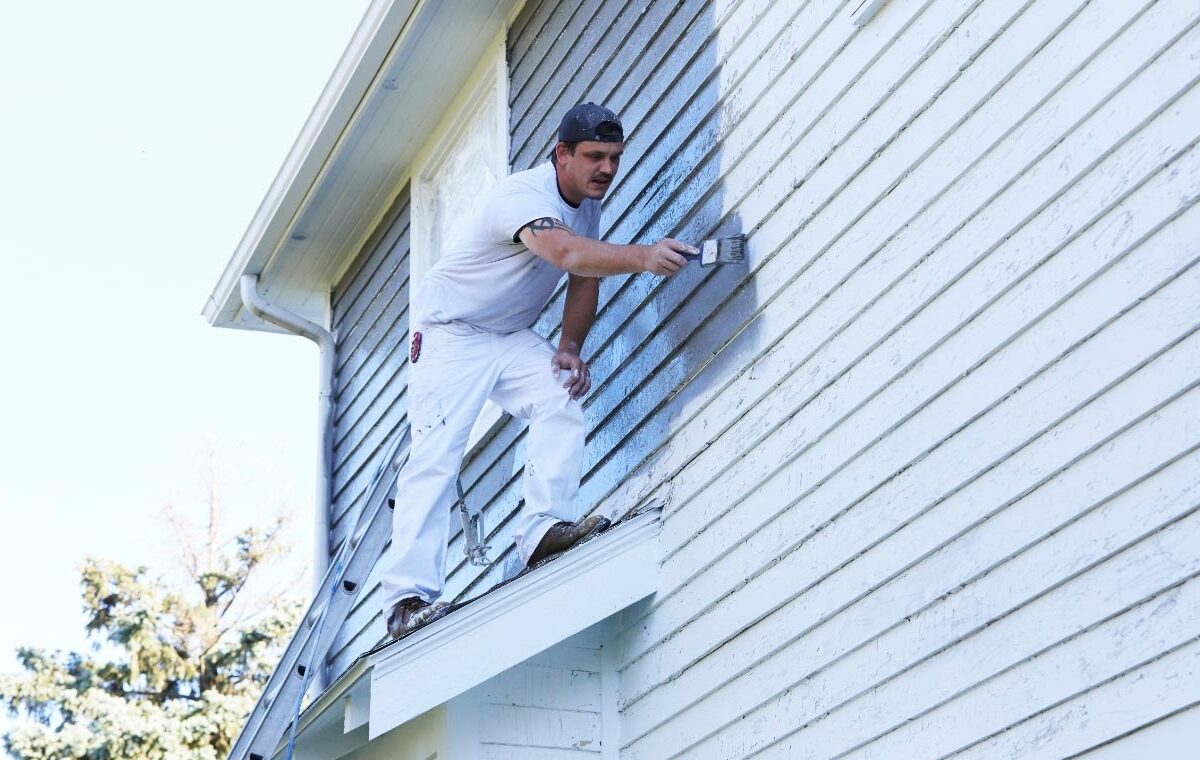
The outside of your home creates its first impression. Over time, constant exposure to sunlight, rainfall, wind, and temperature changes can leave painted surfaces looking faded, cracked, or worn.
Professional exterior painting offers more than a cosmetic improvement. When surfaces are properly prepared and suitable paint products are applied, the finish can help protect certain exterior materials from environmental exposure.
Imagine a front porch featuring peeling wooden trim and faded colors. Repairing damaged areas and applying an attractive new finish could transform the appearance of the entire entrance.
Preparation plays an important role in achieving dependable results.
Existing surfaces may require cleaning, removal of loose paint, appropriate repairs, sanding, and priming before new coatings are applied.
Painting directly over deteriorated wood or moisture-damaged materials may conceal problems temporarily without addressing their underlying causes.
Weather conditions also matter. Temperature, humidity, and expected rainfall can influence paint application and drying performance.
Working with experienced professionals helps homeowners select suitable products and plan the work under appropriate conditions.
For older properties, potentially lead-containing paint requires appropriate safety precautions and qualified handling.
A thoughtfully completed painting project can enhance curb appeal while helping preserve valuable exterior features.
Recognizing When Your Home Needs Immediate Attention
Not every maintenance concern requires urgent action. Nevertheless, overlooking certain problems can contribute to more extensive damage.
Pay attention to warning signs such as:
- Peeling or blistering paint on exterior surfaces.
- Cracked seals around windows and doors.
- Loose handrails, shelves, or household fixtures.
- Swollen or discolored wooden trim.
- Damaged flooring and uneven transitions.
- Persistent moisture stains around walls or ceilings.
These symptoms can have different underlying causes. A discolored wall, for example, might indicate a concealed moisture problem rather than simply requiring fresh paint.
Professional assessment helps determine whether routine repairs are sufficient or specialist assistance is necessary.
Addressing the original cause generally provides better value than repeatedly repairing visible damage.
Managing Home Improvement Expenses More Effectively
Maintaining a beautiful property doesn’t always require a substantial financial commitment.
Start by identifying which repairs will deliver the greatest practical benefits. Combining several suitable handyman tasks into one appointment may also help reduce unnecessary service expenses.
Before beginning larger projects, request clear estimates covering anticipated labor and material costs.
For painting projects, discuss surface preparation, product suitability, and expected maintenance requirements.
Choosing appropriate materials and dependable workmanship may offer better long-term value than selecting the cheapest available option.
Creating a Home That Looks Great and Functions Beautifully
A well-maintained home reflects consistent attention rather than occasional dramatic transformations.
Secure fixtures, smoothly functioning doors, carefully repaired surfaces, and attractive exterior finishes all contribute to everyday comfort.
Working with experienced professionals can make these responsibilities easier to manage while helping protect your property from avoidable deterioration.
Ultimately, maintaining your home is about preserving the place where life’s most meaningful moments happen. With thoughtful planning, timely repairs, and quality workmanship, you can keep that space beautiful, welcoming, and functional for many years to come.