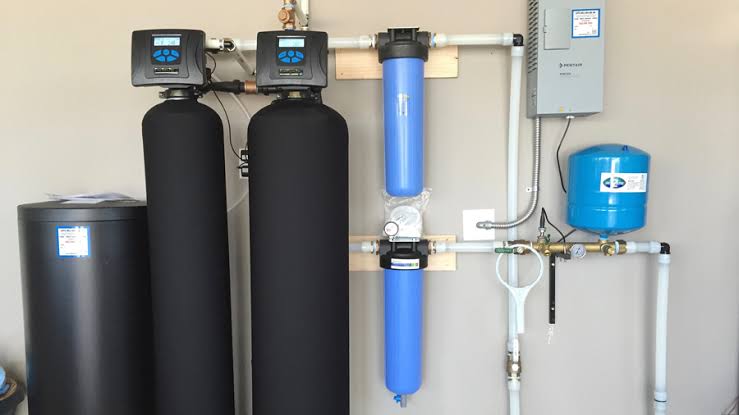
For homeowners who rely on a private well, water quality can become an important part of everyday life. It affects everything from morning showers and laundry to cooking dinner and cleaning the kitchen. When water starts leaving stains, feels rough on the skin, or carries sediment into sinks and appliances, these small annoyances can quickly become regular household frustrations.
Unlike municipal water supplies, private wells require homeowners to take responsibility for testing and maintaining their water. Fortunately, many common problems can be addressed with the right treatment equipment. The trick is understanding what’s actually in your water before deciding which solution makes sense.
Understanding the Challenges of Well Water
Well water travels through underground soil and rock formations before reaching your property. During that journey, it can pick up minerals, sediment, iron, manganese, and other naturally occurring substances. The exact composition depends on the geology of the area, groundwater conditions, and nearby environmental factors.
Some problems are easy to recognize. Brown or orange stains may point toward iron, cloudy water could indicate suspended particles, and white deposits around faucets often suggest hardness. Other concerns, including certain bacteria, nitrates, and dissolved contaminants, may not be visible at all.
This is why testing your water matters. A laboratory analysis can help identify the substances present and determine whether treatment is needed. Without accurate results, homeowners may purchase filters that improve appearance but leave the actual water quality concern untouched.
Why Filtration and Softening Often Work Better Together
Filtration and water softening serve different purposes, which is why combining them can be useful in some households. Filtration generally removes particles or specific contaminants, while conventional softeners reduce hardness minerals such as calcium and magnesium through ion exchange.
A properly designed well water filtration and softening setup can address several common issues at once. Sediment filters may capture sand, dirt, and suspended particles before they reach other equipment. Iron treatment systems can help manage staining, while a softener can reduce mineral deposits that collect inside pipes, water heaters, and fixtures.
The order of equipment installation matters, too. Certain filters need to be placed before softeners or other treatment components to prevent damage and improve efficiency. A well-planned system doesn’t simply contain several devices; each component works toward a specific water quality goal.
Managing Sediment Before It Causes Problems
Sediment is one of the most overlooked well water concerns. Fine sand, silt, and other particles may enter the water supply naturally or because of changes in well conditions. Even small amounts can create issues over time.
Effective well water sediment treatment can help protect plumbing fixtures, appliances, and downstream filtration equipment. Depending on the amount and size of particles, treatment may involve cartridge filters, spin-down sediment filters, or backwashing filtration systems.
A basic sediment filter may be enough for a home with occasional particles, but properties with frequent sediment or higher water consumption may require a more robust system. Filter selection should consider particle size, flow rate, pressure loss, and how quickly the filter becomes clogged.
Homeowners should also pay attention to sudden changes in sediment levels. If water becomes unusually muddy or gritty, it may indicate a problem with the well, pump, or surrounding groundwater conditions. Installing a filter without investigating the cause could hide an issue that needs attention.
Choosing Treatment Based on Your Actual Water Quality
Every well is different, and a treatment system that works beautifully for one property may be completely unsuitable for another. Iron, hardness, pH, sulfur, and dissolved solids can vary significantly, even between nearby homes.
This is where customized treatment for well water becomes valuable. Instead of installing unnecessary equipment, homeowners can select technologies according to their water test results, household size, daily consumption, and specific concerns.
For example, a home dealing mainly with sediment may need only a properly sized particulate filter. Another property with iron staining and hard water may require iron removal followed by softening. If microbial contamination is identified, appropriate disinfection may also be necessary.
Reverse osmosis can be considered for drinking water when particular dissolved contaminants need reduction. However, it isn’t always required for every household, so treatment decisions should be based on testing rather than assumptions.
Maintaining Your Water Treatment Equipment
Installing a treatment system is only the beginning. Filters need periodic replacement, softeners require salt replenishment, and backwashing equipment needs correct settings to function properly. Neglecting maintenance can reduce performance and increase operating costs.
Keep a record of filter changes, service visits, and water test results. It may seem like a small task, but having this information makes it easier to identify recurring problems and plan maintenance before equipment stops working.
It’s also important to maintain the well itself. Proper drainage around the wellhead, secure covers, and protection from nearby contamination sources help preserve the quality of the water entering your home.
Better Water Begins with a Better Understanding
Improving well water doesn’t necessarily mean investing in an expensive collection of filters. It starts with knowing what’s in your water and choosing equipment that addresses those specific concerns.
With appropriate testing, thoughtful system design, and consistent maintenance, homeowners can reduce staining, manage mineral buildup, protect plumbing, and improve their everyday water experience. The difference often shows up in small ways: cleaner fixtures, easier laundry, fewer maintenance headaches, and water that feels more dependable.
A private well can be a valuable resource for years to come. Taking care of it properly is one of the simplest ways to protect both your home and the people who depend on its water every day.