Water is one of those things we rarely think about until something seems wrong with it. Maybe there’s an odd smell when you turn on the shower. Perhaps your glasses come out of the dishwasher covered in spots, or the water tastes a little different than it used to. Sometimes the signs are obvious. Other times, they’re subtle enough to ignore.
But water quality matters throughout the home, not just at the kitchen sink. The water used for drinking, cooking, bathing, washing clothes, and cleaning can affect everyday comfort. That’s why more homeowners are looking beyond basic drinking-water filters and considering whole-home treatment options designed to improve consistent water quality throughout the home.
The good news is that better water doesn’t always require a complicated solution. The first step is simply understanding what’s actually in your water.
Start by Understanding Your Water
Every home has its own water story. Municipal water supplies may contain disinfectants such as chlorine, while private wells can have naturally occurring minerals, sediment, sulfur compounds, or other unwanted substances. Even homes in the same neighborhood may experience different water concerns because of plumbing, pipe materials, or changes in the local supply.
Guessing isn’t a great strategy here.
A professional water analysis can help identify specific concerns and show whether treatment is actually necessary. Depending on the source and location, testing may look at hardness, pH, chlorine, iron, manganese, sediment, dissolved solids, and other contaminants.
This matters because no single filtration method removes everything. A system designed to address chlorine, for example, may not be the right choice for excessive hardness. Testing first helps homeowners avoid spending money on equipment that doesn’t solve their particular problem.
Why Whole-Home Filtration Is Different
A point-of-use filter treats water at one faucet. That can be useful, especially for drinking and cooking, but it leaves the rest of the home’s water untreated.
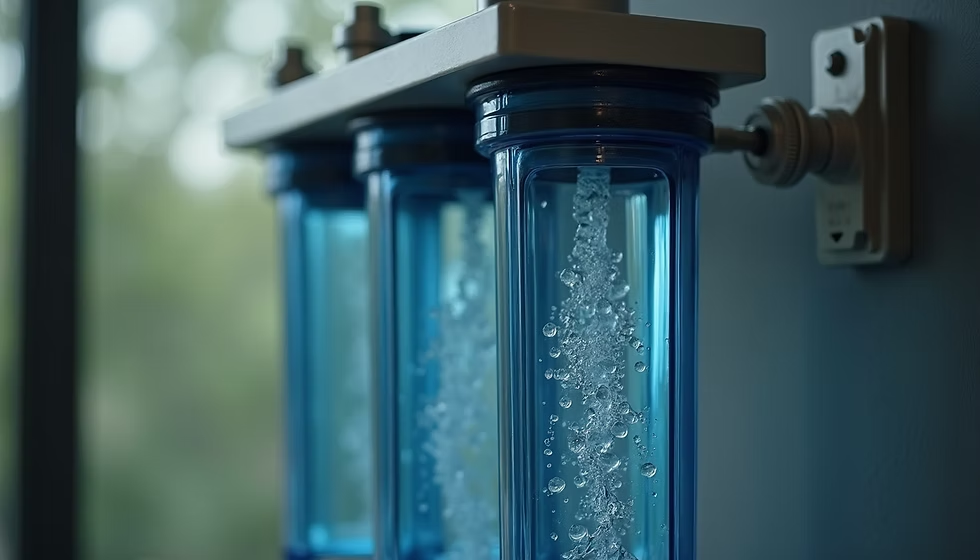
Whole-home filtration works differently. The treatment equipment is installed on the main water line, allowing treated water to flow through multiple fixtures. That means the water coming into the kitchen, bathroom, laundry room, and shower can all receive treatment.
Think about your morning routine. You wash your face, make coffee, take a shower, and fill a bottle before leaving the house. Water is involved in all of it. Improving water quality at just one faucet only addresses a small piece of the picture.
A properly selected whole-home system can make water feel more comfortable and help reduce certain unwanted substances before they reach household fixtures.
What Can Water Filtration Help With?
The answer depends heavily on the technology used and the quality of the incoming water. Some systems focus on sediment and particles, while others are designed to reduce specific chemicals or compounds.
For homeowners concerned about taste and odor, activated carbon is one commonly used approach. High-quality carbon filtration solutions can reduce chlorine and certain organic compounds, which may improve the taste and smell of tap water.
Other treatment technologies have different jobs. Water softeners, for instance, are generally used to address hardness caused by minerals such as calcium and magnesium. Reverse osmosis systems are often installed at specific points where highly treated drinking water is desired.
The important thing is not to chase the fanciest equipment. The right system is the one that matches the actual water problem.
Better Water Can Mean More Comfortable Showers
Water quality isn’t only about what you drink.
Many people notice changes in bathing water before they think about anything else. Chlorinated water can have a noticeable smell, while hard water may leave mineral deposits on showerheads, faucets, and glass doors.
Hard water can also make soap and shampoo behave differently. You might find yourself using more product than expected, only to feel like it never quite rinses away. Over time, mineral deposits can become a nuisance, particularly around fixtures that are exposed to water every day.
Treatment won’t magically make every household maintenance problem disappear, but addressing the underlying water characteristics can make daily chores a little easier. And honestly, that small improvement can add up.
Protecting Fixtures and Appliances
Your plumbing system deals with water constantly. So do your water heater, washing machine, dishwasher, and other appliances.
Depending on the water chemistry, minerals and sediment can accumulate inside plumbing and equipment. Hard-water scale is a familiar example. It can appear around faucets and heating elements and may gradually affect performance.
Filtration and conditioning can help manage certain issues before they become bigger headaches. However, homeowners should keep expectations realistic. Water treatment doesn’t replace routine maintenance, and not every water problem is caused by filtration-related contaminants.
That’s another reason testing is useful. Understanding the chemistry of your water gives you a clearer idea of what your plumbing system is dealing with.
Choosing the Right System for Your Home
Shopping for a filtration system can get confusing quickly. There are cartridges, tanks, membranes, softeners, UV systems, carbon media, sediment filters and plenty of technical specifications that can make the whole thing feel like homework.
Start with the basics:
- Identify whether your home uses municipal or well water.
- Have the water tested when appropriate.
- Determine which contaminants or characteristics need attention.
- Consider household size and daily water usage.
- Check the system’s flow rate and maintenance requirements.
- Look at filter replacement intervals and long-term operating costs.
- Make sure the equipment is properly sized for your plumbing system.
A small household with relatively clean municipal water may need something quite different from a large family using untreated well water.
It’s also worth asking how much maintenance the system requires. A filter that works beautifully but gets neglected because replacement is inconvenient isn’t much of a solution.
Installation and Maintenance Matter
Even excellent filtration equipment can perform poorly when it’s improperly installed or neglected.
Professional installation can help ensure the system is correctly sized, positioned, and connected to the home’s plumbing. It can also reduce the risk of leaks and make future maintenance easier.
Filters need attention, too. Depending on the system, cartridges or media may need periodic replacement, cleaning, or servicing. Waiting until water pressure drops dramatically or the taste changes isn’t always the best approach.
Keep a simple maintenance reminder on your calendar. It sounds almost too basic, but it works. A few minutes of attention at the right time can prevent an expensive “why is nothing working?” moment later.
A Smarter Approach to Better Water
Good water treatment starts with curiosity, not assumptions. Before buying a system because a neighbor recommended it or an online advertisement made impressive claims, find out what your own water needs.
The goal isn’t necessarily to make water “perfect.” It’s to make it appropriate for your household, your plumbing, and your priorities.
For some families, that may mean reducing chlorine taste and odor. For others, it could mean addressing hardness, sediment, or a specific contaminant identified through testing. Sometimes a combination of treatment methods makes the most sense.
Ultimately, clean, comfortable water is one of those home improvements you notice every day without necessarily noticing that you’re noticing it. The shower feels better. The water tastes fresher. Fixtures stay cleaner. There are fewer little annoyances.
And that’s really the point: thoughtful water treatment isn’t about chasing perfection. It’s about making something essential work better, quietly and reliably, every time you turn on the tap.