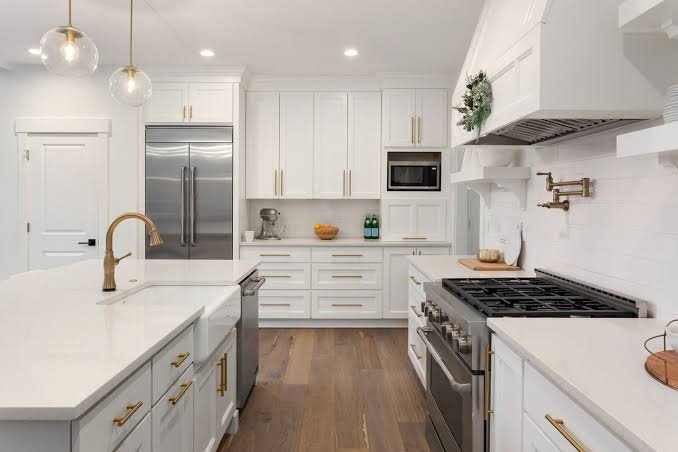
Which Countertop Material Is Right for Your North Liberty, IA, Kitchen?
Choosing a new countertop can change the look of your kitchen and how the space works for you every day. You may want something that works with your cabinets, stands up to regular cooking, or gives an older kitchen a different look. Each material has its own look and characteristics, so it is worth comparing them before you choose. If you are looking at countertops in North Liberty, IA, start by thinking about how you use your kitchen and what you want the finished space to look like. What Countertop Options Can You Choose From? The right choice depends on the look you want, how often the countertop will be used, and how it fits into your remodeling plans. Materials range from engineered quartz and natural granite to laminate, solid surface, butcher block, and porcelain, each sitting at a different price point and suiting different kitchens. A. Quartz Countertops Quartz comes in many colors and patterns, from simple finishes to designs that resemble natural stone. It also gives you plenty of flexibility when you are matching countertops with new cabinets. If you already know the cabinet color or door style you want, looking at quartz samples alongside them can make the choice easier. Also, quartz is non-porous and does not require periodic sealing, which makes upkeep straightforward. It is sensitive to prolonged direct heat, so trivets are recommended near the cooktop. Quartz sits in the mid-to-upper price range, and the cost of fabrication includes templating and edge profile selection, which can affect the final figure. B. Granite Countertops Granite gives a kitchen the natural look of real stone, with variations in color and pattern from slab to slab. Two granite countertops will not necessarily look exactly alike. It is generally priced similarly to quartz, though rare or imported slabs can run higher. Unlike quartz, granite is porous and typically needs resealing every one to two years to resist staining. It handles heat well compared to engineered surfaces. Granite is a good option if you want the countertop to stand out rather than blend into the cabinets. It is available in many colors and patterns, from subtle surfaces to slabs with more noticeable veining and variation. When ordering either granite or quartz, a fabricator will schedule a template visit to measure the space precisely before cutting. This step adds lead time, typically one to two weeks, so it is worth factoring into a remodel timeline. Seam placement is also decided at this stage; on larger runs, seams are positioned where they are least visible, such as near a sink or at a corner. Fit and Fabrication Sometimes a standard slab size or layout does not quite match the kitchen you have in mind. Working with a fabricator gives you more control over dimensions, edge profiles, and how pieces are joined across an island or peninsula. Edge profiles range from a simple eased edge to more detailed options like ogee or waterfall ends, and the choice affects both the look and the cost. For smaller surfaces such as a bar top or a secondary work area, remnant slabs from larger jobs can be a cost-effective way to get the same material at a lower price point. This level of planning is especially useful during a larger kitchen remodel where cabinets, countertops, and other parts of the room are being coordinated together. What Should You Think About Before Choosing a Countertop? The appearance of the material is only part of the decision. Before settling on a particular surface, think about a few other details: Think about how much cooking and food preparation you normally do in the kitchen. Look at countertop samples next to your cabinet color and flooring instead of judging the material on its own. Decide whether you prefer the natural variations of granite or the wider range of patterns available with quartz. Keep your remodeling budget in mind. Materials like laminate and solid surface sit at a lower price point, while granite and quartz represent a mid-to-upper investment. This includes the countertop, fabrication, installation, and any changes needed to the existing cabinets. The shape and layout of the kitchen also matter, especially if you are changing the island or adding a larger work surface. How Should Countertops Work with Your Cabinets? Countertops and cabinets usually make up a large part of the kitchen's appearance, so choosing them together can make the design process easier. A busy countertop pattern may pair better with simpler cabinet doors. Similarly, a more understated surface can work with cabinets that have stronger details or color. You also do not have to match everything exactly. Different tones and textures can work together without making the kitchen feel too uniform. Put the cabinet, countertop, backsplash, and flooring samples together so you can see how the colors and finishes work side by side. Conclusion Quartz, granite, and custom countertops give North Liberty, IA, homeowners different ways to finish a kitchen remodel. The material you choose should suit the way you use the kitchen while working with the cabinets, flooring, and other finishes. Planning a kitchen remodel in North Liberty, IA? Talk with a local kitchen design professional about your countertop options and see which materials fit your kitchen.
Choosing a new countertop can change the look of your kitchen and how the space works for you every day. You may want something that works with your cabinets, stands up to regular cooking, or gives an older kitchen a different look. Each material has its own look and characteristics, so it is worth comparing them before you choose. If you are looking at countertops in North Liberty, IA, start by thinking about how you use your kitchen and what you want the finished space to look like. What Countertop Options Can You Choose From? The right choice depends on the look you want, how often the countertop will be used, and how it fits into your remodeling plans. Materials range from engineered quartz and natural granite to laminate, solid surface, butcher block, and porcelain, each sitting at a different price point and suiting different kitchens. A. Quartz Countertops Quartz comes in many colors and patterns, from simple finishes to designs that resemble natural stone. It also gives you plenty of flexibility when you are matching countertops with new cabinets. If you already know the cabinet color or door style you want, looking at quartz samples alongside them can make the choice easier. Also, quartz is non-porous and does not require periodic sealing, which makes upkeep straightforward. It is sensitive to prolonged direct heat, so trivets are recommended near the cooktop. Quartz sits in the mid-to-upper price range, and the cost of fabrication includes templating and edge profile selection, which can affect the final figure. B. Granite Countertops Granite gives a kitchen the natural look of real stone, with variations in color and pattern from slab to slab. Two granite countertops will not necessarily look exactly alike. It is generally priced similarly to quartz, though rare or imported slabs can run higher. Unlike quartz, granite is porous and typically needs resealing every one to two years to resist staining. It handles heat well compared to engineered surfaces. Granite is a good option if you want the countertop to stand out rather than blend into the cabinets. It is available in many colors and patterns, from subtle surfaces to slabs with more noticeable veining and variation. When ordering either granite or quartz, a fabricator will schedule a template visit to measure the space precisely before cutting. This step adds lead time, typically one to two weeks, so it is worth factoring into a remodel timeline. Seam placement is also decided at this stage; on larger runs, seams are positioned where they are least visible, such as near a sink or at a corner. Fit and Fabrication Sometimes a standard slab size or layout does not quite match the kitchen you have in mind. Working with a fabricator gives you more control over dimensions, edge profiles, and how pieces are joined across an island or peninsula. Edge profiles range from a simple eased edge to more detailed options like ogee or waterfall ends, and the choice affects both the look and the cost. For smaller surfaces such as a bar top or a secondary work area, remnant slabs from larger jobs can be a cost-effective way to get the same material at a lower price point. This level of planning is especially useful during a larger kitchen remodel where cabinets, countertops, and other parts of the room are being coordinated together. What Should You Think About Before Choosing a Countertop? The appearance of the material is only part of the decision. Before settling on a particular surface, think about a few other details: Think about how much cooking and food preparation you normally do in the kitchen. Look at countertop samples next to your cabinet color and flooring instead of judging the material on its own. Decide whether you prefer the natural variations of granite or the wider range of patterns available with quartz. Keep your remodeling budget in mind. Materials like laminate and solid surface sit at a lower price point, while granite and quartz represent a mid-to-upper investment. This includes the countertop, fabrication, installation, and any changes needed to the existing cabinets. The shape and layout of the kitchen also matter, especially if you are changing the island or adding a larger work surface. How Should Countertops Work with Your Cabinets? Countertops and cabinets usually make up a large part of the kitchen's appearance, so choosing them together can make the design process easier. A busy countertop pattern may pair better with simpler cabinet doors. Similarly, a more understated surface can work with cabinets that have stronger details or color. You also do not have to match everything exactly. Different tones and textures can work together without making the kitchen feel too uniform. Put the cabinet, countertop, backsplash, and flooring samples together so you can see how the colors and finishes work side by side. Conclusion Quartz, granite, and custom countertops give North Liberty, IA, homeowners different ways to finish a kitchen remodel. The material you choose should suit the way you use the kitchen while working with the cabinets, flooring, and other finishes. Planning a kitchen remodel in North Liberty, IA? Talk with a local kitchen design professional about your countertop options and see which materials fit your kitchen.
Choosing a new countertop can change the look of your kitchen and how the space works for you every day. You may want something that works with your cabinets, stands up to regular cooking, or gives an older kitchen a different look. Each material has its own look and characteristics, so it is worth comparing them before you choose.
If you are looking at countertops in North Liberty, IA, start by thinking about how you use your kitchen and what you want the finished space to look like.
What Countertop Options Can You Choose From?
The right choice depends on the look you want, how often the countertop will be used, and how it fits into your remodeling plans. Materials range from engineered quartz and natural granite to laminate, solid surface, butcher block, and porcelain, each sitting at a different price point and suiting different kitchens.
A. Quartz Countertops
Quartz comes in many colors and patterns, from simple finishes to designs that resemble natural stone. It also gives you plenty of flexibility when you are matching countertops with new cabinets. If you already know the cabinet color or door style you want, looking at quartz samples alongside them can make the choice easier.
Also, quartz is non-porous and does not require periodic sealing, which makes upkeep straightforward. It is sensitive to prolonged direct heat, so trivets are recommended near the cooktop. Quartz sits in the mid-to-upper price range, and the cost of fabrication includes templating and edge profile selection, which can affect the final figure.
B. Granite Countertops
Granite gives a kitchen the natural look of real stone, with variations in color and pattern from slab to slab. Two granite countertops will not necessarily look exactly alike. It is generally priced similarly to quartz, though rare or imported slabs can run higher. Unlike quartz, granite is porous and typically needs resealing every one to two years to resist staining. It handles heat well compared to engineered surfaces.
Granite is a good option if you want the countertop to stand out rather than blend into the cabinets. It is available in many colors and patterns, from subtle surfaces to slabs with more noticeable veining and variation. When ordering either granite or quartz, a fabricator will schedule a template visit to measure the space precisely before cutting. This step adds lead time, typically one to two weeks, so it is worth factoring into a remodel timeline. Seam placement is also decided at this stage; on larger runs, seams are positioned where they are least visible, such as near a sink or at a corner.
Fit and Fabrication
Sometimes a standard slab size or layout does not quite match the kitchen you have in mind. Working with a fabricator gives you more control over dimensions, edge profiles, and how pieces are joined across an island or peninsula. Edge profiles range from a simple eased edge to more detailed options like ogee or waterfall ends, and the choice affects both the look and the cost. For smaller surfaces such as a bar top or a secondary work area, remnant slabs from larger jobs can be a cost-effective way to get the same material at a lower price point.
This level of planning is especially useful during a larger kitchen remodel where cabinets, countertops, and other parts of the room are being coordinated together.
What Should You Think About Before Choosing a Countertop?
The appearance of the material is only part of the decision. Before settling on a particular surface, think about a few other details:
Think about how much cooking and food preparation you normally do in the kitchen.
Look at countertop samples next to your cabinet color and flooring instead of judging the material on its own.
Decide whether you prefer the natural variations of granite or the wider range of patterns available with quartz.
Keep your remodeling budget in mind. Materials like laminate and solid surface sit at a lower price point, while granite and quartz represent a mid-to-upper investment. This includes the countertop, fabrication, installation, and any changes needed to the existing cabinets.
The shape and layout of the kitchen also matter, especially if you are changing the island or adding a larger work surface.
How Should Countertops Work with Your Cabinets?
Countertops and cabinets usually make up a large part of the kitchen’s appearance, so choosing them together can make the design process easier. A busy countertop pattern may pair better with simpler cabinet doors. Similarly, a more understated surface can work with cabinets that have stronger details or color.
You also do not have to match everything exactly. Different tones and textures can work together without making the kitchen feel too uniform. Put the cabinet, countertop, backsplash, and flooring samples together so you can see how the colors and finishes work side by side.
Conclusion
Quartz, granite, and custom countertops give North Liberty, IA, homeowners different ways to finish a kitchen remodel. The material you choose should suit the way you use the kitchen while working with the cabinets, flooring, and other finishes.
Planning a kitchen remodel in North Liberty, IA? Talk with a local kitchen design professional about your countertop options and see which materials fit your kitchen.