Blog

  • Putting It Back Together: Why Appliance Repairs Are Often Harder Than They Look

    Putting It Back Together: Why Appliance Repairs Are Often Harder Than They Look

    There’s a moment many homeowners recognize—the instant when confidence turns into quiet uncertainty. You’ve opened an appliance panel, removed a few screws, and laid the parts carefully on the counter. At first, everything feels manageable. You’re following a tutorial, taking photos as you go, and telling yourself this is going to be simple.

    Then comes the point where everything has to go back together.

    Suddenly, the process isn’t so straightforward. A screw doesn’t seem to fit where you thought it would. A wire looks like it could connect in two different places. Something small that seemed easy now feels complicated.

    And that’s when many people realize that repairing an appliance isn’t just about fixing a single problem—it’s about understanding how every piece works together.

    Why Appliance Repairs Are More Complex Than They Appear

    Modern appliances may look simple from the outside, but internally they are highly engineered systems. Each component depends on precise alignment and proper connections to function correctly.

    When a machine is disassembled, even slightly misplacing a part can affect performance.

    What many homeowners discover during DIY repairs is that identifying a faulty component is often easier than restoring the system to its original condition.

    The complexity lies not in taking things apart—but in ensuring everything fits back exactly as intended.

    The Challenge of Putting Parts Back Correctly

    One of the most common obstacles during DIY repairs involves reassembly issues. Even when homeowners carefully document the process, subtle details can easily be overlooked.

    For example, incorrectly positioning a gasket can cause leaks. Misaligning a drum in a washing machine may create excessive vibration. Loose electrical connections can lead to inconsistent operation.

    These small errors can result in new problems that didn’t exist before the repair attempt.

    It’s a reminder that appliance systems rely on precision—not just functionality.

    Why Professional Expertise Makes a Difference

    Professional technicians approach repairs differently because they understand how components interact within the system as a whole.

    Their training allows them to anticipate potential complications during both disassembly and reassembly.

    This is where the professional repair benefits become evident. Technicians don’t simply fix the immediate issue—they ensure the entire appliance is restored to optimal working condition.

    They also perform testing after repairs, verifying that all components function correctly before completing the job.

    This comprehensive approach helps prevent recurring problems.

    The Risk of Unintentional Damage

    Another challenge homeowners face during repairs is the possibility of causing unintended harm.

    Appliances often contain delicate parts—plastic connectors, electronic sensors, and thin wiring—that require careful handling.

    Without proper tools or techniques, it’s easy to accidentally damage these components.

    Understanding how to avoid damage during repairs requires both technical knowledge and practical experience.

    Professional technicians use specialized equipment designed to protect sensitive parts while performing repairs safely.

    This reduces the likelihood of additional issues arising from the repair process itself.

    The Emotional Side of DIY Repairs

    Many homeowners attempt DIY repairs because they want to feel capable and self-reliant. There’s a genuine sense of accomplishment in solving problems independently.

    But when repairs become complicated, frustration often replaces that confidence.

    Time spent troubleshooting, repeated attempts to fix mistakes, and uncertainty about results can create significant stress.

    Seeking professional help in these situations isn’t a failure—it’s a practical decision that saves time and restores peace of mind.

    Why Accurate Diagnosis Matters

    One often overlooked aspect of appliance repair is identifying the true cause of a malfunction.

    Symptoms may appear straightforward, but underlying issues can be complex.

    A dryer that won’t heat might have multiple contributing factors. A refrigerator experiencing cooling problems may involve both mechanical and electrical components.

    Professional technicians use diagnostic tools and experience to identify root causes accurately.

    This ensures repairs address the actual problem rather than temporary symptoms.

    Preventing Future Breakdowns

    Proper repairs not only restore functionality but also help prevent future failures.

    Technicians often identify worn components that may soon require replacement, allowing homeowners to address potential issues proactively.

    This preventive approach extends appliance lifespan and reduces long-term repair costs.

    It also ensures appliances operate efficiently, conserving energy and maintaining consistent performance.

    The Long-Term Value of Professional Repairs

    While DIY repairs may seem cost-effective initially, mistakes can lead to additional expenses over time.

    Incorrect installations, damaged components, or incomplete repairs often require professional intervention later.

    Choosing professional repair services from the start can save both time and money in the long run.

    It also provides assurance that repairs meet safety and performance standards.

    A Balanced Approach to Home Maintenance

    There’s nothing wrong with performing basic maintenance tasks independently. Cleaning filters, checking connections, and replacing accessible parts are valuable ways to care for appliances.

    But when repairs involve complex systems, recognizing the limits of DIY efforts is essential.

    Knowing when to seek expert assistance ensures both safety and optimal appliance performance.

    A Quiet Investment in Reliability

    Reliable appliances support daily routines quietly, making life easier without demanding attention.

    Maintaining that reliability requires informed decisions about repairs and maintenance.

    Professional repairs provide not only technical expertise but also confidence that appliances will continue functioning smoothly.

    Because sometimes, the most important part of fixing something isn’t just solving the immediate problem.

    It’s ensuring everything fits back together exactly the way it should—so life can continue running without interruption.

  • The Real Cost of Clean Water at Home: More Than Just a Purchase Decision

    The Real Cost of Clean Water at Home: More Than Just a Purchase Decision

    Most people don’t think about water until something feels off. Maybe your tea tastes slightly metallic, or your shower leaves your skin feeling oddly dry. Sometimes it’s more obvious—white residue on faucets, cloudy glassware, or appliances that seem to wear out faster than expected.

    These signs rarely feel urgent at first. They’re easy to brush aside, to blame on cleaning products or seasonal changes. But over time, they tend to build into a quiet frustration that many homeowners simply accept as normal.

    And that’s usually when the thought begins to form: maybe the issue isn’t just daily wear and tear. Maybe it’s the water itself.

    Why Water Quality Is a Long-Term Investment

    Improving water quality isn’t just about drinking cleaner water—it’s about protecting your home, your comfort, and even your budget in the long run.

    Think about how many systems rely on water. Your washing machine, dishwasher, plumbing pipes, and heating systems all depend on consistent water conditions to operate efficiently. When water contains excess minerals or impurities, these systems experience gradual strain.

    It doesn’t happen overnight. Instead, it’s a slow process—scale buildup inside pipes, reduced appliance efficiency, and increased maintenance needs.

    That’s why many homeowners eventually explore water treatment products designed to address specific issues such as hardness, sediment, or chemical residues.

    These systems don’t just improve water quality—they also extend the lifespan of household infrastructure.

    The Hidden Benefits You Don’t Notice Immediately

    One interesting thing about upgrading water systems is that the benefits often appear gradually rather than dramatically.

    Laundry feels softer. Soap rinses more easily. Glassware comes out of the dishwasher without cloudy spots. Even cooking seems more enjoyable because water interacts differently with ingredients.

    These changes may feel small, but they create a noticeable shift in daily comfort over time.

    And once people experience them, they often wonder why they waited so long.

    Understanding Costs Without Feeling Overwhelmed

    One of the biggest concerns homeowners have when considering water treatment is cost. It’s natural to hesitate before investing in something that isn’t visually noticeable.

    But understanding available pricing options can make the decision much easier. Many providers offer a range of solutions tailored to different budgets, from basic filtration units to comprehensive whole-home systems.

    This flexibility allows homeowners to start with manageable improvements and expand later if needed.

    It’s not about spending the most—it’s about finding a solution that fits both your needs and your financial comfort zone.

    The Emotional Side of Financial Decisions

    Investing in home systems often carries emotional weight. People worry about making the wrong choice or spending more than necessary.

    But water quality improvements often provide something beyond financial returns—they offer peace of mind. Knowing your water is clean and your systems are protected reduces a certain kind of background stress.

    It’s a quiet reassurance that’s difficult to quantify but deeply valuable.

    Making Water Improvements More Accessible

    For many households, upfront costs remain a barrier even when long-term benefits are clear. This is where financing solutions have become increasingly important.

    Flexible payment plans allow homeowners to spread costs over time, making water treatment more accessible without straining immediate budgets.

    Instead of viewing water improvements as a large one-time expense, financing turns them into manageable monthly investments.

    This approach aligns with how many people handle other home upgrades, such as heating systems or solar installations.

    Prevention Always Costs Less Than Repair

    One of the most overlooked aspects of water treatment is its role in preventing expensive repairs.

    Hard water can reduce appliance lifespan by years. Sediment buildup can lead to pipe damage. Untreated water can increase energy consumption due to inefficiencies.

    Addressing these issues early often costs far less than repairing or replacing damaged systems later.

    In many cases, homeowners discover that water treatment pays for itself through reduced maintenance and energy savings over time.

    The Quiet Confidence of Reliable Water

    Reliable water quality creates a subtle but powerful sense of stability. You don’t question whether your appliances will function properly. You don’t worry about hidden damage accumulating over time.

    Instead, water becomes what it’s meant to be—a dependable part of daily life that supports comfort without demanding attention.

    That quiet confidence can make a home feel more secure and manageable.

    Why Awareness Is the First Step

    At its core, improving water quality begins with awareness. Understanding what flows through your home allows you to make informed decisions about treatment and investment.

    You don’t need to become an expert. You simply need to recognize that water quality affects far more than drinking—it shapes the performance of nearly every system in your home.

    Once that awareness exists, choosing the right solutions becomes much easier.

    A Long-Term Investment in Comfort

    Improving water quality isn’t about chasing luxury or making dramatic changes. It’s about creating a stable, efficient, and comfortable living environment.

    From protecting appliances to enhancing daily routines, the benefits extend far beyond what most people initially expect.

    And over time, those quiet improvements add up to something meaningful.

    Because sometimes, the most valuable investments in a home aren’t the ones you see.

    They’re the ones working silently in the background—like clean, reliable water supporting your comfort every single day.

  • When Something Goes Wrong at the Sink: A Practical Guide to Getting Plumbing Help Without the Stress

    When Something Goes Wrong at the Sink: A Practical Guide to Getting Plumbing Help Without the Stress

    There’s a particular kind of frustration that comes with plumbing problems. It’s rarely dramatic at first — just a slow drip that keeps you awake at night, a sink that drains a little too slowly, or a toilet that suddenly decides it has a mind of its own. These small inconveniences tend to creep into daily life quietly, but they don’t stay small for long.

    What makes plumbing issues especially stressful isn’t just the problem itself. It’s the uncertainty that follows. Who should you call? How quickly can someone come? Will it cost more than you expect?

    Knowing how to handle plumbing situations calmly — and how to get the right help efficiently — can make all the difference when water starts misbehaving.


    Why Plumbing Problems Rarely Solve Themselves

    One of the biggest mistakes homeowners make is hoping a plumbing issue will simply fade away. Unfortunately, water doesn’t work that way. A slow leak rarely stops on its own, and a minor blockage almost always worsens over time.

    Plumbing systems operate under constant pressure, which means even small weaknesses can expand into larger failures if left unattended. What begins as a minor annoyance can quickly escalate into water damage, mold growth, or structural concerns.

    Acting early helps prevent these outcomes and often reduces repair costs significantly.


    Recognizing the Right Moment to Ask for Help

    Sometimes it’s obvious when you need professional support — a burst pipe or overflowing drain leaves little room for hesitation. But more often, the signs are subtle.

    Common indicators that it’s time to seek help include:

    • Unusual sounds inside pipes
    • Persistent low water pressure
    • Repeated drain clogs
    • Water discoloration
    • Unexpected increases in water bills

    When these signs appear, submitting a plumbing service request early can prevent further complications. Addressing problems promptly helps protect both your home and your peace of mind.


    The Importance of Planning Ahead

    Many homeowners only think about plumbing services when something goes wrong. However, proactive planning plays a significant role in maintaining system reliability.

    Scheduling routine inspections allows technicians to identify potential issues before they become emergencies. Preventive maintenance also improves water efficiency and extends the lifespan of plumbing infrastructure.

    Choosing to schedule service during non-emergency situations gives you more flexibility, better pricing options, and less stress compared to urgent repairs.

    Proactive care is often the most cost-effective approach.


    Why Professional Expertise Matters

    Plumbing systems are more complex than they appear. Pipes, valves, pressure regulators, and drainage systems all work together in ways that require specialized knowledge to understand fully.

    Working with licensed local pros ensures that repairs meet safety standards and building codes. Certified professionals have the training and experience to diagnose problems accurately and implement lasting solutions.

    Beyond technical skills, local professionals also understand regional plumbing conditions, such as water quality and environmental factors.

    This combination of expertise and familiarity provides more reliable results.


    The Financial Benefits of Early Intervention

    One of the biggest concerns homeowners face when dealing with plumbing issues is cost. It’s natural to worry about unexpected expenses.

    However, delaying repairs often leads to higher costs in the long run. Water damage restoration, mold remediation, and structural repairs can quickly exceed the cost of early maintenance.

    Addressing problems promptly helps minimize financial impact while preserving property value.

    Preventive care should be viewed as an investment rather than an expense.


    The Emotional Side of Plumbing Reliability

    Reliable plumbing contributes significantly to daily comfort. It allows routines to flow smoothly — from morning showers to evening cleanup tasks.

    When plumbing systems fail, the disruption can feel overwhelming. Water damage creates urgency, and unexpected repairs can cause stress.

    Knowing that professional help is accessible and responsive provides reassurance during these situations.

    Comfort, after all, isn’t just about physical conditions — it’s also about confidence in essential home systems.


    How Technology Is Improving Service Access

    Advancements in digital technology have simplified how homeowners connect with plumbing professionals. Online service platforms and mobile apps allow users to submit requests quickly, track appointment times, and receive real-time updates.

    This improved accessibility reduces response times and enhances communication between homeowners and service providers.

    Technology continues to streamline the process of obtaining reliable plumbing support.


    Choosing the Right Service Provider

    Selecting a dependable plumbing professional involves more than comparing prices. Homeowners benefit from providers who offer transparent communication, clear estimates, and consistent customer support.

    Reliable service providers prioritize long-term solutions rather than quick fixes. They take time to explain issues and recommend preventive strategies.

    Building a relationship with a trusted professional helps ensure faster response and consistent service quality.

    Trust becomes a key factor in maintaining system reliability.


    A Final Thought: Taking Control Before Problems Grow

    Plumbing systems quietly support daily life, providing water where it’s needed and removing it safely afterward. Most of the time, they operate without drawing attention.

    But when issues arise, their importance becomes immediately clear.

    Understanding when to seek help, planning preventive maintenance, and working with experienced professionals helps maintain stability and reduce stress.

    Because ultimately, managing plumbing isn’t just about fixing problems.

    It’s about preserving the comfort, functionality, and peace of mind that make a house feel like home — ensuring that everyday routines can continue smoothly without interruption.

  • When the Air Turns Against You: Why a Thoughtful Approach to AC Repair Matters

    When the Air Turns Against You: Why a Thoughtful Approach to AC Repair Matters

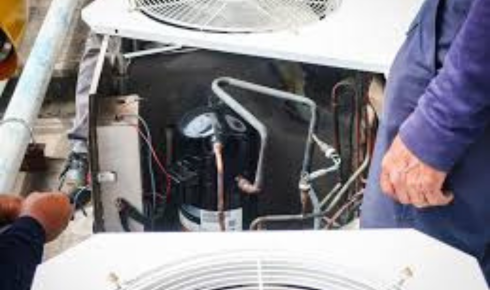
    There’s a particular kind of frustration that comes with a failing air conditioner. It usually begins subtly — the room feels a little warmer than it should. Then the airflow weakens. Maybe there’s a faint rattle you’ve never heard before. And suddenly, the one thing keeping your home comfortable feels like it’s working against you.

    I’ve always believed that air conditioning is one of those modern luxuries we don’t truly appreciate until it stops working. Especially in the middle of summer, when the air outside feels heavy enough to wear. That’s when panic sets in, and people start Googling at lightning speed, hoping to find reliable ac technicians who won’t overcharge, oversell, or disappear after a quick fix.

    But here’s the thing: not all AC problems are dramatic. And not all solutions need to be expensive. What matters most is understanding what’s happening before jumping to conclusions.


    It’s Rarely “Just Broken”

    Most homeowners assume that when an AC unit struggles, it’s on its last legs. Sometimes that’s true. But often, it’s something far less catastrophic — a clogged filter, a refrigerant imbalance, dirty coils, or a thermostat acting up.

    The tricky part is that these small issues can snowball. A restricted filter makes the system work harder. That extra strain overheats components. Over time, efficiency drops. Energy bills climb quietly in the background. And before you know it, what could’ve been a simple maintenance visit turns into a major repair.

    This is why proper air conditioning diagnosis matters more than people realize. It’s not just about fixing what’s visibly wrong; it’s about identifying the chain reaction behind it. Good technicians don’t just swap parts — they investigate patterns.


    The Difference Between a Quick Fix and a Smart Repair

    We’ve all heard stories of someone paying for a “repair,” only to have the same issue resurface weeks later. That usually happens when the symptom gets treated, but not the cause.

    A rattling sound might be a loose panel. Or it could signal a failing motor mount. Weak airflow could be duct leakage instead of a blower issue. These nuances are easy to miss without experience.

    When professionals take the time to evaluate airflow pressure, refrigerant levels, electrical connections, and system calibration, they’re not being overly meticulous — they’re preventing repeat problems. That’s how systems genuinely restore performance, instead of limping along temporarily.

    There’s a quiet confidence that comes from knowing your AC has been evaluated properly. It’s less about the receipt and more about the peace of mind.


    Why Preventive Maintenance Isn’t Just a Sales Pitch

    Let’s talk about maintenance. I know, it sounds boring. And yes, it’s easy to ignore when everything seems fine.

    But air conditioning systems operate under stress for months at a time. Heat, dust, humidity — they all take a toll. Skipping routine inspections is a bit like skipping oil changes in your car. It won’t fail immediately. But it will eventually.

    Annual servicing typically includes coil cleaning, drainage inspection, electrical tightening, refrigerant checks, and airflow testing. These small steps protect larger components. And they often cost far less than emergency repairs during peak season.

    There’s also the efficiency factor. Even a slightly dirty condenser coil can reduce cooling output while increasing energy use. Multiply that over an entire summer, and the financial difference becomes noticeable.


    Choosing the Right Technician (Without Guesswork)

    Finding someone trustworthy in a rush is tough. That’s why it helps to prepare before a breakdown happens.

    Look for certifications, verified reviews, and transparent pricing. Ask about warranty coverage and whether they explain issues clearly. The best professionals don’t hide behind jargon. They translate technical findings into plain language.

    If someone can’t explain what’s wrong in a way that makes sense, that’s usually a red flag.

    And here’s something people don’t talk about enough: communication style matters. When technicians take time to answer questions without impatience, it signals professionalism. You want someone who treats your home with respect — not just your equipment.


    The Hidden Cost of Delaying Repairs

    There’s a temptation to wait things out. “It’s still cooling,” you tell yourself. “Maybe it’ll last the season.”

    Sometimes it does. Sometimes it doesn’t.

    A struggling compressor draws more power. Faulty capacitors can damage motors. Refrigerant leaks harm efficiency and may stress other components. What begins as a mild inconvenience can quietly double your repair bill.

    It’s not about fear-based decisions — it’s about informed ones. If something sounds off, smells unusual, or cycles inconsistently, that’s your cue. Acting early is almost always cheaper than waiting.


    Energy Efficiency and Long-Term Thinking

    Modern air conditioning systems are far more efficient than units installed a decade ago. But even newer models need proper care.

    Upgrading thermostats, sealing ductwork, improving insulation — these adjustments amplify performance without replacing the entire system. Sometimes a consultation reveals that your AC isn’t undersized or outdated at all; it’s just working against airflow restrictions in your home.

    This holistic view is what separates average service from thoughtful service. A proper air conditioning diagnosis looks beyond the unit itself and evaluates the environment it operates in.

    It’s a bit like treating the whole body instead of just one symptom.


    Comfort Is More Than Temperature

    We tend to think of air conditioning purely in terms of cool air. But comfort also includes humidity control, air quality, and balanced circulation.

    When systems function optimally, rooms cool evenly. Allergens filter out more effectively. Indoor humidity stays manageable. Sleep improves. Productivity increases. It’s subtle — but noticeable.

    And honestly, that’s what good HVAC work is about. It’s not flashy. It doesn’t make headlines. But it quietly supports daily life in ways we don’t fully appreciate until it falters.


    A Final Thought on Trust and Timing

    At the end of the day, air conditioning repair isn’t just about machinery. It’s about trust. Inviting someone to assess a core part of your home requires confidence in their expertise and integrity.

    If there’s one takeaway here, it’s this: don’t wait for total breakdown before seeking help. Listen to small changes. Schedule routine checks. Build a relationship with professionals before emergencies arise.

    Because when the air turns heavy and your home starts to feel less like a refuge and more like a sauna, you’ll want more than a quick fix. You’ll want clarity. You’ll want honesty. And you’ll want a solution that lasts.

  • FASTag Monthly Pass Price and FASTag Annual Pass Online: Complete Guide for Smart Highway Travelers

    FASTag Monthly Pass Price and FASTag Annual Pass Online: Complete Guide for Smart Highway Travelers

    India’s highway network is expanding rapidly, and with it, digital toll payments have become the norm. FASTag has made toll collection smoother, faster, and cashless for millions of commuters. If you are a daily highway user or frequently travel between cities, understanding the fastag monthly pass price and how to apply for fastag annual pass online can help you save both time and money.

    Let’s break it down in simple terms so you can choose the right option for your travel needs.

    What is FASTag and Why is It Important?

    FASTag is an electronic toll collection system operated by the National Highways Authority of India (NHAI). It uses Radio Frequency Identification (RFID) technology to automatically deduct toll charges from your linked bank account or wallet as your vehicle passes through toll plazas.

    This system reduces traffic congestion, eliminates long queues, and ensures seamless highway travel. For frequent travelers, especially those commuting daily through the same toll plaza, special pass options are available.

    Understanding FASTag Monthly Pass Price

    For individuals who cross a specific toll plaza regularly—like daily office commuters or business travelers—monthly passes are highly beneficial. The fastag monthly pass price depends on the toll plaza location and vehicle category.

    Generally, monthly passes are offered for non-commercial vehicles such as cars, jeeps, and vans. The price may range between ₹300 to ₹3,000 per month depending on the toll plaza rules and distance coverage. In many cases, local residents living near toll plazas can avail discounted rates.

    Here are some key points to consider:

    • The monthly pass is usually valid for one specific toll plaza.
    • It allows unlimited trips during the validity period.
    • The vehicle must be registered with a valid FASTag.
    • Proper KYC documentation may be required.

    Before applying, it’s important to check the toll plaza’s official notification to confirm eligibility and pricing.

    Benefits of Monthly FASTag Pass

    Opting for a monthly pass offers several advantages:

    1. Significant savings for daily commuters.
    2. Hassle-free unlimited crossings.
    3. Automatic deduction without manual payments.
    4. Reduced travel time.

    For example, if you cross a toll plaza twice daily, a monthly pass can drastically reduce your overall toll expenses compared to paying per trip.

    How to Apply for FASTag Annual Pass Online

    Apart from monthly options, many users also explore long-term plans. Applying for fastag annual pass online is a convenient way to manage toll payments for the entire year without frequent renewals.

    The annual pass system is typically designed for specific toll plazas and may be introduced based on government policies. The process usually involves:

    1. Visiting the official NHAI or issuing bank website.
    2. Logging into your FASTag account.
    3. Selecting the annual pass option (if available for your toll plaza).
    4. Uploading required documents.
    5. Making online payment.

    Once approved, the annual pass is activated and linked directly to your vehicle’s FASTag.

    Advantages of Annual FASTag Pass

    Choosing an annual pass can provide:

    • Long-term cost savings.
    • Freedom from monthly renewals.
    • Budget predictability.
    • Seamless toll travel throughout the year.

    This option is especially useful for residents living near highways who cross toll plazas daily.

    Important Things to Remember

    Before choosing between monthly and annual passes, consider these factors:

    • Verify if your toll plaza offers such passes.
    • Confirm eligibility requirements.
    • Ensure your FASTag is active and properly linked.
    • Check refund and cancellation policies.

    Additionally, always recharge your FASTag wallet sufficiently to avoid penalties at toll booths.

    Conclusion

    Whether you are a daily commuter or a frequent traveler, understanding the fastag monthly pass price and the process to get fastag annual pass online can help you make a smart financial decision. These passes are designed to reduce toll expenses, save time, and improve travel convenience.

    As digital toll collection becomes the standard across India, staying informed about FASTag plans ensures you maximize benefits while enjoying smooth highway journeys. Always refer to official sources for updated pricing and guidelines before applying.

  • Managing Third-Party Risks in Your Supply Chain

    Managing Third-Party Risks in Your Supply Chain

    Modern businesses depend on networks of suppliers, service providers, and technology partners that extend far beyond their own walls. Each third-party relationship that involves data sharing, system access, or technology integration creates a potential pathway for attackers. Managing these risks has become essential as threat actors increasingly target the weakest link in an organisation’s extended ecosystem.

    Vendor risk assessments should begin before contracts are signed, not after. Evaluating a potential partner’s security posture during procurement gives your organisation the leverage to require improvements or select more secure alternatives. Once a contract is in place and integration is complete, addressing discovered security gaps becomes significantly more difficult and expensive.

    Questionnaires and self-assessments provide a starting point for vendor evaluation, but they should never be the only measure. Vendors naturally present their security practices in the most favourable light. Independent verification through audit reports, certification reviews, and technical validation adds the objectivity that self-reported information lacks.

    Contractual security requirements establish enforceable standards that vendors must maintain throughout the relationship. These clauses should specify data protection measures, incident notification timelines, audit rights, and security testing obligations. Without contractual backing, security expectations are merely suggestions that vendors can choose to follow or ignore.

    Continuous monitoring replaces the false assurance of annual vendor reviews. A vendor’s security posture on the day of their assessment may differ significantly from their posture six months later. Ongoing monitoring of vendor security ratings, breach notifications, and publicly visible infrastructure provides early warning of deteriorating security conditions.

    Expert Commentary

    William Fieldhouse | Director of Aardwolf Security Ltd

    “Your security is only as strong as your weakest vendor. We have seen organisations invest heavily in their own defences while granting third parties broad access with minimal oversight. A thorough vendor risk management programme, combined with contractual security requirements and regular validation, closes this gap.”

    Regular external network penetration testing should evaluate not only your own perimeter but also the connection points between your environment and third-party systems. VPN tunnels, API integrations, shared data repositories, and federated authentication systems all create trust boundaries that attackers target specifically because they bridge otherwise separate environments.

    Access management for third parties requires stricter controls than internal access. Vendors should receive the minimum access necessary for their specific function, with time-limited credentials that expire when engagement periods end. Shared accounts, persistent VPN connections, and broad network access for third parties create risks that dedicated, scoped access eliminates.

    Incident response planning must account for third-party scenarios. When a vendor suffers a breach that affects your data or systems, clear response procedures, communication channels, and escalation paths determine how quickly you can contain the impact. Establishing these procedures reactively during an active incident wastes critical time.

    Tiering your vendor portfolio by risk level ensures proportionate oversight. Critical vendors with access to sensitive data or production systems require rigorous and frequent assessment. Lower-risk vendors with limited access need lighter but still regular evaluation. The best penetration testing company you engage should offer vendor risk assessment services that help categorise and evaluate your third-party portfolio.

    Third-party risk management is a continuous programme, not a project with a finish line. Vendor relationships evolve, new integrations appear, and the threat landscape shifts. Organisations that embed vendor risk management into their operational rhythm discover and address third-party vulnerabilities before attackers do.

  • A Clearer Drop: Building a DIY Water Filter That Actually Works (Without the Science Fair Vibe)

    A Clearer Drop: Building a DIY Water Filter That Actually Works (Without the Science Fair Vibe)

    Let’s be real — clean water is one of those things you don’t really think about until you suddenly don’t have it. Maybe your pond water’s gone murky, your tap’s got a strange taste, or you’re deep into a weekend off-grid adventure and realize you forgot the fancy filter. Whatever the case, knowing how to make your own water filter can be more than just a cool survival skill — it can be a surprisingly satisfying home project.

    But here’s the thing: most DIY water filter guides on the internet are either overly technical or way too simplistic (hello, upside-down soda bottle science experiment). This isn’t that. We’re aiming for that sweet spot: useful, doable, and effective — with a little backyard-engineer flair.


    Why Go Homemade?

    There’s a quiet charm in building something that works. It connects you back to the basics. It’s also incredibly useful — especially if you’re dealing with pond water for gardening, fishkeeping, or just hate the idea of unnecessary plastic cartridges.

    Enter the homemade charcoal pond filter. Simple. Powerful. Dirt cheap.

    Charcoal (especially activated) is a natural filtration beast — it traps impurities, removes odors, and improves clarity. When used right, it can turn a greenish mess into a sparkling pond, helping maintain a healthy ecosystem for fish and plants alike. And bonus — it doesn’t require electricity or fancy tech.


    But What If You Don’t Have Charcoal?

    Fair question. Maybe you’re mid-project and realize you forgot to buy it, or maybe you just want a charcoal-free option for whatever reason (budget, availability, experimentation). That’s when you dive into a homemade water filter without charcoal — still effective, still DIY, just a bit different in its approach.

    Instead of charcoal, you rely more on layered filtration. Think: gravel, sand, fine cloth, and even natural materials like banana peels (yep, they’ve got some filtering magic in them). These layers trap sediments, debris, and some impurities. No, it won’t purify water to lab standards — but for gardening, pre-filtering, or emergency use, it holds up surprisingly well.


    Materials You’ll (Actually) Need

    For both versions, you don’t need anything fancy. Here’s a combined basic list you can tweak depending on your setup:

    • A plastic container (a bucket, water jug, or large bottle works)
    • Fine gravel or pebbles
    • Washed sand
    • Activated charcoal (or skip this for the charcoal-free version)
    • A cotton cloth or coffee filter
    • Mesh screen (optional but helpful)
    • A drill or something to poke holes

    Feel free to upcycle materials — think old planters, soda bottles, or even PVC pipes. The idea is to build something modular, low-cost, and maintainable.


    The Layering Secret

    Here’s where the magic happens. If you’re doing the charcoal version, the order matters. From bottom to top:

    1. Coarse gravel – helps catch larger particles.
    2. Sand – filters finer silt and dirt.
    3. Charcoal – the heavy lifter that removes chemicals and odors.
    4. Cloth – optional top layer to prevent debris from clogging up the works.

    For the charcoal-free version, just skip that layer and consider doubling up on sand or using fine mesh to improve filtration. It won’t remove chemicals as efficiently, but you’d be surprised how much clarity you’ll get.

    Some folks even use natural additions like crushed brick, banana peel, or moringa seeds for added filtration — just do your homework first, especially if you’re drinking the water (pro tip: boil it after filtering if it’s for consumption).


    Putting It All Together

    Now that you’ve got your materials, it’s build time.

    1. Cut the bottom off your container if needed.
    2. Layer the materials from bottom to top.
    3. Secure the base with mesh or cloth so nothing falls out.
    4. Pour murky water into the top and let gravity do the rest.

    If it trickles out too slow, widen the holes a bit or use coarser materials. If it gushes out too fast, add more fine sand to slow things down and improve clarity.

    Maintenance? Just rinse out the top layers occasionally and replace the charcoal every few weeks if you’re using it. If it’s pond water, check for algae buildup — that’s your cue for a clean-up.


    Why DIY Just Feels Better

    There’s something deeply satisfying about building your own filter. It’s not just a diy homemade water filter project — it’s a reminder that we don’t always need store-bought solutions. Whether you’re a hobbyist fishkeeper, a camping enthusiast, or someone just tired of overpriced filtration cartridges, making your own puts you back in control.

    And let’s be honest — once you see cloudy water turn clear because of something you built with your own hands, it’s hard not to feel a little proud.


    Some Tips You’ll Be Glad to Know

    • Activated charcoal > Regular BBQ charcoal. They’re not the same. If you’re using BBQ-style stuff, make sure it’s additive-free and crushed fine.
    • Test your water. Even with good filtration, you can’t always see contaminants. For drinking, add boiling as a follow-up step, or use water test kits if you want peace of mind.
    • Don’t overthink it. This doesn’t have to be perfect. The beauty of DIY is iteration. Make it. Test it. Improve it. That’s the fun part.

    The Bigger Picture

    We live in a world of filters — not just for water, but for air, information, and even relationships. And while most are invisible, the physical act of filtering something as basic as water can feel grounding. A small act of self-reliance. A quiet kind of power.

    Maybe you’re building this filter for your backyard pond. Maybe it’s an experiment with your kids. Or maybe you’re prepping for a trip where clean water isn’t guaranteed. Whatever the reason, this small project connects you to something ancient — the universal human need for clean water, and the ingenuity to make it happen with whatever’s around.

    And who knows? Maybe next time your neighbor complains about murky pond water, you’ll be the one with the solution — and a pretty cool story to go with it.


    Final Thoughts

    Clean water doesn’t have to come from a faucet, and clever solutions don’t have to come with a barcode. Whether you’re tackling a homemade charcoal pond filter, testing a homemade water filter without charcoal, or diving into your own diy homemade water filter project, you’re doing more than filtering water — you’re building something real, useful, and kind of brilliant.

  • Keeping the Heat Alive: A No-Nonsense Guide to Range, Stove, and Oven Care

    Keeping the Heat Alive: A No-Nonsense Guide to Range, Stove, and Oven Care

    There’s a certain kind of magic that happens in the kitchen — the sizzle of onions hitting a hot pan, the warmth radiating from a preheated oven, the quiet satisfaction of a burner doing exactly what it should. But when that magic fades, when your stove won’t spark or your oven won’t heat, cooking turns from joyful to frustrating real quick.

    We don’t always appreciate how much we rely on our cooking appliances — until they stop working. And then suddenly, every meal becomes a workaround. Sandwiches again? Takeout again? Been there.

    But the truth is, most cooking appliance issues don’t pop up out of nowhere. They start small. They send signals. And with the right habits (and help), you can keep things running smoothly for years to come. Let’s talk about that.


    A Little Attention Goes a Long Way

    We clean the dishes, wipe the counters, maybe even scrub the sink — but when’s the last time you gave your range a second thought?

    Range maintenance isn’t just about appearances. Sure, it feels nice when everything looks clean, but it’s what’s underneath that really matters. Grease buildup, blocked burner ports, dusty oven vents — all of these can quietly sabotage performance and even pose safety risks if left ignored.

    You don’t need to go full detail-mode every week, but simple habits — like wiping spills as they happen, checking burner caps for alignment, and gently vacuuming behind the unit once in a while — can make a big difference. Your range will run better, last longer, and honestly? You’ll just enjoy using it more.


    Why Calling a Pro Isn’t a Last Resort — It’s Smart Strategy

    A lot of us grew up thinking we should fix everything ourselves. Tighten a bolt here, jiggle a knob there. But when it comes to gas lines, electrical heating elements, and temperature sensors? That’s a different ballgame.

    Sometimes, the smartest move is calling in a professional stove service — not because you can’t do it yourself, but because your time (and safety) is worth more than playing guessing games with live wires or gas fittings.

    A trained tech knows what to look for. They’ve seen the patterns. They come in with diagnostic tools, a calm approach, and an understanding of how your appliance should behave — not just how it looks on the outside. And bonus: they’re less likely to make things worse in the process.


    When the Brand Name Matters

    Let’s say you invested in a big-name oven — maybe a Wolf, Bosch, GE Monogram, or Samsung model. These aren’t just cooking tools; they’re kitchen centerpieces. Built to perform, designed to impress. But even high-end machines aren’t immune to wear and tear.

    The key with major brand oven repair is knowing what makes each model tick. That’s not just about fixing a broken part — it’s about understanding how that specific brand’s systems are engineered to work. Different brands have different diagnostic modes, part requirements, and even service protocols.

    If your luxury oven is acting up — fluctuating temps, slow preheating, uneven baking — don’t roll the dice with a generalist who’s never worked on that model. You want someone who’s been there, done that, and has access to the right tools and parts.


    Cooking Problems You Shouldn’t Ignore

    Not everything’s an emergency, but some signs deserve your attention before they spiral into expensive fixes:

    • Uneven flame on your gas burners? Could be blocked ports or air-to-gas imbalance.
    • Burners that won’t spark or constantly click? Likely a bad ignition switch or moisture problem.
    • Oven takes forever to preheat or overshoots the temp? Sensor or control board might be on its way out.
    • Strange smells or humming sounds? Never normal. Always worth checking.

    If your gut says something’s off, it probably is. And the earlier you deal with it, the cheaper (and simpler) it usually is to fix.


    The Cost of Doing Nothing

    Here’s the sneaky part: many appliance issues don’t cause complete failure right away. They just make things slightly worse over time. Slightly higher energy bills. Slightly longer cook times. Slightly more uneven baking. It’s easy to ignore — until it’s not.

    Over time, stress on failing parts can damage other components, snowballing into a full breakdown. That $120 part you could’ve replaced becomes a $500 repair. Or a full replacement. Ouch.

    And let’s be honest — it’s not just money. It’s the inconvenience. The last-minute scramble for a repair appointment. The “what do we do for dinner now?” conversations. The loss of your favorite weekend baking ritual.


    Your Appliance Deserves Better Than Guesswork

    Think about it: your range, stove, and oven have been there for you through weeknight chaos, lazy Sundays, dinner parties, and quiet solo meals. That deserves a little respect, right?

    Whether it’s a once-a-year professional checkup, a DIY deep clean, or just being more mindful of how it sounds and smells — these little actions keep the kitchen humming.

    And when something does break? Don’t wait. Don’t duct tape it. Don’t cross your fingers and hope.

    Make the call. Get the fix. Then get back to the meals that matter.


    Final Thoughts: It’s More Than an Appliance

    We often talk about stoves and ovens like they’re just things — machines that heat food. But the truth is, they’re part of the rhythm of home. The background players in so many meaningful moments.

    So yeah, when they act up, it’s frustrating. But it’s also fixable. And the right repair doesn’t just bring back function — it brings back that feeling of normalcy, comfort, and control.

  • Why Clean Water Isn’t a Luxury—It’s a Household Essential

    Why Clean Water Isn’t a Luxury—It’s a Household Essential

    There’s something oddly comforting about turning on your faucet and watching clear water flow out. It feels safe. Familiar. Almost like a quiet promise that everything is okay. But here’s the thing—what if that water isn’t telling you the whole story? What if beneath that crystal-clear surface lies a swirl of microscopic guests you didn’t invite?

    Let’s take a deep breath and dig into something most of us overlook until there’s a problem: the real quality of the water running through our homes.


    Clear Doesn’t Always Mean Clean

    It’s easy to assume that water clarity equals purity. But clarity is just one part of the puzzle. You could have invisible contaminants in your supply—things like pesticides, chlorine byproducts, viruses, heavy metals, and even trace pharmaceuticals. Some of these come from nature. Others are leftovers from agriculture, industrial runoff, or outdated infrastructure.

    And let’s not forget bacteria. Yep, even in treated municipal water, bacterial presence isn’t impossible—especially if there’s a crack in an underground pipe or if you’re relying on well water. That’s where bacteria removal becomes more than just a nice-to-have—it’s a non-negotiable.


    Is Your Shower Sneaking In Chemicals?

    We talk a lot about drinking water, and rightfully so. But what about the water you bathe in? The steam you breathe in from a hot shower? That’s exposure too—just through your skin and lungs instead of your mouth. Chlorine, for example, is often added to municipal water as a disinfectant. But repeated exposure, especially in showers, can dry out your skin, irritate your eyes, and even impact sensitive lungs.

    This is where whole house filtration systems step in as silent protectors. Instead of treating water just at the faucet, these systems work at the point of entry, filtering every drop that flows into your home. So whether you’re sipping a glass, taking a shower, or running a load of laundry, you’re covered.


    Harm Is Sometimes Tasteless

    Let’s be honest—unless your water smells like rotten eggs or tastes metallic, you probably assume it’s fine. But harmful substances in water aren’t always detectable by smell or taste. Lead, arsenic, and nitrates, for instance, are tasteless and odorless yet can pose serious health risks over time. This is particularly concerning for children, pregnant women, and people with compromised immune systems.

    That’s why relying on your senses alone isn’t enough. If you really want peace of mind, testing is step one. And once you know what you’re up against, the right filtration system—tailored to your water’s specific challenges—can be a game-changer.


    Life Gets Easier with Clean Water (Seriously)

    Cleaner water doesn’t just protect your health. It makes daily life easier. Soap lathers better. Dishes don’t spot. Laundry smells fresher. Even your appliances live longer when there’s less mineral buildup to deal with. It’s one of those investments where the benefits just keep stacking up—financial, physical, even emotional.

    There’s also something quietly empowering about knowing what’s in your water and choosing to do something about it. It’s like drawing a little line in the sand and saying, “I care what goes into my body and home.”


    So, What Should You Actually Do?

    Here’s the good news: You don’t have to go full lab scientist to start your clean water journey. You just need a little curiosity and a willingness to take small steps.

    • Test your water: Whether it’s a DIY kit or a full lab analysis, knowing your water’s makeup is half the battle.
    • Start with your priorities: If your goal is to remove chlorine taste from drinking water, a simple under-sink filter might do the trick. If you want full protection from contaminants throughout the home, consider going bigger.
    • Do your research: Not all filters are created equal. Some tackle sediment and chlorine. Others go after heavy metals, microbes, and volatile organic compounds (VOCs). Match the system to your specific needs.

    Final Thoughts from the Faucet

    Water is one of those things we completely depend on but barely think about. It’s everywhere in our lives—quiet, essential, and taken for granted. But once you realize how much better it can be, it’s hard to go back.

    So whether you’re looking into bacteria removal for your family’s safety, exploring whole house filtration for all-around peace of mind, or just worried about those invisible harmful substances in water, remember this: It’s not about paranoia—it’s about being informed. It’s about choosing wellness, one clean drop at a time.

  • Getting Real About Recovery: What to Expect After Abdominal Surgery

    Getting Real About Recovery: What to Expect After Abdominal Surgery

    Let’s be honest — nobody daydreams about having surgery. Whether it’s planned or unexpected, the idea of being wheeled into an operating room, put under, and stitched up can stir up a whole cocktail of emotions: anxiety, confusion, hope, and probably more than a few “what ifs.” And when the procedure involves your core — your literal center — things can feel even more intense.

    That’s the reality with abdominal surgery. It’s one of those terms that covers a whole range of procedures — from hernia repairs and gallbladder removals to complex organ resections. It sounds clinical, maybe even routine. But for the person going through it, it’s deeply personal.


    Before the First Cut: Conversations That Matter

    Before the gown, the IV, and the countdown from ten, there’s something important that happens — a conversation. Or at least, there should be. A surgery consultation isn’t just a box to tick. It’s your time to understand what’s happening, why it’s needed, what the risks are, and what healing will actually look like.

    Don’t be afraid to ask real questions:

    • “What will recovery be like for me?”
    • “How much help will I need at home?”
    • “Is this the best option or are there alternatives?”

    The best surgeons know how to explain complex things in plain English. If you leave the office more confused than when you came in, that’s a red flag. A solid consultation is built on clarity, honesty, and space for your voice — not just theirs.


    The Anatomy of Recovery: It’s More Than Just Rest

    Here’s something no one tells you before surgery: recovery isn’t just about lying in bed and waiting for your stitches to heal. It’s about rebuilding your relationship with your body — slowly, awkwardly, and sometimes frustratingly.

    You might shuffle for a few days instead of walking. You’ll brace yourself before sneezing. Simple tasks like getting out of a chair, reaching for something on a shelf, or laughing too hard can surprise you with sharp reminders that hey, you’ve just had surgery.

    This is especially true after something like hernia repair. It’s one of the most common abdominal surgeries, yet it’s easy to underestimate. Hernias may seem minor on the surface — a small bulge, a dull ache — but the repair process is serious business. Whether done laparoscopically or through open surgery, it takes time for muscle walls to strengthen and re-stabilize. Pushing too soon can undo what was fixed.

    So yes, rest. But also walk — gently and often. Hydrate. Fuel your body with real food. And don’t skip follow-ups. They matter.


    The Emotional Side Nobody Prepares You For

    Surgery does a number on your body, sure. But it also shakes up your headspace in ways you might not expect. You might feel helpless at times. Or weepy. Or weirdly quiet. There’s something vulnerable about being on the mend — especially if you’re used to being the “strong one.”

    Let yourself feel it all. It doesn’t mean you’re weak. It means you’re healing — on every level. Lean on your people. Journal if that’s your thing. Or just admit that this is a strange season and it’s okay to not have it all together.


    Surgical Techniques Are Smarter Than Ever

    Not too long ago, most abdominal surgeries involved large incisions and long recoveries. Today? The majority are done using advanced surgical techniques that are designed to reduce trauma and speed up healing.

    Minimally invasive procedures — like laparoscopy — use tiny instruments and a camera to perform surgery through small incisions. That means less bleeding, lower risk of infection, and smaller scars. But more than that, it often means a quicker return to normal life.

    The tools have changed, but the principle stays the same: the right technique is the one that fits your body and your situation best. Not every patient is a candidate for the latest method — and that’s okay. A good surgeon doesn’t just chase trends. They choose what’s best for you.


    Returning to Life, Bit by Bit

    At some point, the days blur together a little less. You move a little faster. You sleep a little deeper. You stop noticing your stitches or your scar. And suddenly, you realize — life’s creeping back in.

    But let’s not gloss over this: getting “back to normal” isn’t a straight line. It’s more like a winding road with a few potholes and maybe a detour or two. The important part is that you’re still moving — at your own pace.

    Whether you’re recovering from major abdominal surgery or a relatively quick outpatient procedure, the road to feeling whole again takes time. And intention. And, honestly, a lot of patience.


    Closing Thoughts: You’ve Got This

    Surgery is a disruption. There’s no getting around that. But sometimes, it’s the kind of disruption that saves your health, your comfort, even your life.

    So if you’re reading this while planning your surgery consultation, recovering in bed, or helping someone you love through the process — just remember: you’re not alone. Ask questions. Honor your healing. Let yourself be supported.

    Because the truth is, there’s no such thing as “just a hernia” or “just a quick fix.” Every cut, every stitch, every cautious first step afterward — it all matters. And so do you.