Blog

  • Understanding the World of Satta Matka and Madhur Matka

    Understanding the World of Satta Matka and Madhur Matka

    Introduction: A Cultural Phenomenon with Deep Roots

    If you’ve ever explored traditional betting games in India, chances are you’ve come across satta matka. It’s more than just a game—it carries decades of history, evolving from simple number-based betting into a complex system followed by thousands. While many see it as a form of entertainment, others approach it with strategy and discipline, treating it almost like a calculated risk game.

    Over time, variations like Madhur Matka have emerged, adding their own flavor to this already dynamic space. But what exactly makes these formats so popular, and why do people continue to engage with them despite changing times?


    What is Satta Matka?

    The origins of satta matka date back to the 1960s when people began betting on the opening and closing rates of cotton traded on the New York Cotton Exchange. Eventually, as this practice became localized, it transformed into a number-based lottery system.

    Players choose numbers, place bets, and wait for results announced at specific times. The simplicity of the concept—combined with the thrill of uncertainty—makes it highly engaging. There’s no need for complex setups or advanced tools; just a basic understanding of numbers and patterns can get someone started.

    However, what keeps players hooked is not just luck. Many enthusiasts study past results, track patterns, and even follow expert tips to improve their chances. It creates a sense of involvement that goes beyond random guessing.


    The Rise of Madhur Matka

    As satta matka grew in popularity, several variants entered the scene, one of the most well-known being madhur matka. This version follows a similar structure but often has its own timing, rules, and player base.

    Madhur Matka is particularly known for its consistent result schedule and dedicated followers. For many players, it offers a fresh opportunity to try their luck while applying lessons learned from other matka formats.

    What makes Madhur Matka stand out is its accessibility. Players often find it easier to understand and participate in, especially if they are new to the world of number-based betting. Over time, it has carved out its own identity rather than just being seen as a variation.


    Why People Are Drawn to These Games

    There’s something inherently fascinating about predicting numbers. It taps into human curiosity—the desire to find patterns where randomness exists. For many, satta matka and its variations provide that exact thrill.

    Another factor is community. These games often have local groups, discussions, and shared insights, making the experience more social than one might expect. Players exchange ideas, discuss strategies, and celebrate wins together.

    Of course, there’s also the appeal of quick returns. Unlike long-term investments, these games offer immediate results, which can be both exciting and risky.


    Strategy vs Luck: What Really Matters?

    It’s easy to assume that everything depends purely on luck, but seasoned players often disagree. While chance plays a major role, many believe that observation and consistency can make a difference.

    Some common approaches include:

    • Studying past number trends
    • Following expert predictions
    • Maintaining discipline in betting amounts

    That said, no strategy guarantees success. The unpredictability is what defines the game, and it’s important to approach it with realistic expectations.


    Responsible Participation is Key

    While these games can be entertaining, they also come with risks. It’s crucial to participate responsibly and set clear limits. Treat it as a form of leisure rather than a primary source of income.

    Understanding when to stop is just as important as knowing when to play. Many experienced players emphasize the importance of balance—enjoying the process without letting it take control.


    Conclusion: A Blend of Tradition and Thrill

    Satta Matka and Madhur Matka continue to hold a unique place in India’s gaming landscape. They represent a blend of history, culture, and excitement, attracting players from different walks of life.

    Whether you’re curious about how it works or considering participating, the key is to stay informed and cautious. At the end of the day, it’s not just about winning or losing—it’s about understanding the game, enjoying the experience, and making mindful choices along the way.


  • Book My HSRP Number Plate Online in 2026: Complete Process & Benefits

    Book My HSRP Number Plate Online in 2026: Complete Process & Benefits

    If you’re a vehicle owner in India, you’ve probably heard about the High Security Registration Plate (HSRP). It’s not just a trend—it’s a legal mandate. Whether you own a two-wheeler or a four-wheeler, having an HSRP installed on your vehicle is now compulsory in many states. The good news? Booking your HSRP number plate is a simple, online process. In this article, we’ll walk you through everything you need to know about how to book my hsrp number online—hassle-free and fast.


    🚘 What is an HSRP and Why Is It Important?

    The High Security Registration Plate is a tamper-proof license plate made of aluminum. It comes with a hot-stamped chromium-based hologram, laser-etched permanent identification number, and a snap-lock that makes removal difficult without breaking it. It’s designed to:

    • Reduce vehicle theft
    • Improve law enforcement’s ability to track and trace
    • Digitize vehicle data under a centralized system

    Not having an HSRP may lead to fines or even legal complications, depending on your state’s transport regulations.


    🌐 How to Book Your HSRP Number Plate Online

    Booking an HSRP online is a quick 5-10 minute process. Here’s how to do it step-by-step:

    ✅ Step 1: Visit the Official Portal

    Each state has designated vendors for HSRP plate issuance. One of the most common portals is:
    https://bookmyhsrp.com — a secure website for booking in states like Delhi, Uttar Pradesh, Haryana, etc.

    ✅ Step 2: Choose Vehicle Type & Location

    Once on the website:

    • Select your state
    • Choose whether your vehicle is a private car, taxi, bike, or commercial vehicle

    ✅ Step 3: Enter Vehicle Details

    You’ll need to provide:

    • Registration number
    • Chassis number
    • Engine number
    • Owner name
    • Contact details

    Double-check these entries—they must match your RC exactly.

    ✅ Step 4: Select Appointment & Fitment Location

    Pick your preferred date and time for HSRP fitment. You can either:

    • Visit a nearby authorized dealer
    • Choose home delivery (available in select cities)

    ✅ Step 5: Make the Payment

    The cost ranges from ₹300–₹600 for two-wheelers and ₹600–₹1100 for four-wheelers depending on the vehicle type and number of plates required. Payment is made securely online via UPI, debit/credit cards, or net banking.


    📧 What Happens After You Book?

    After successful booking:

    • You’ll receive a confirmation SMS and email with your appointment details
    • A receipt will be generated—keep it for reference
    • On your chosen date, get your HSRP installed at the selected dealer or await home delivery if applicable

    🔁 Can You Track or Modify Your Booking?

    Absolutely. On the website, go to “Track Order” or “Reschedule Appointment.” You’ll need your order ID or registration number to proceed. It’s advisable to reschedule in advance if you can’t make it—no last-minute rush!


    📌 Tips to Keep in Mind

    • Don’t fall for fake websites or agents. Only book from the official HSRP portal or state-approved vendors.
    • Make sure your contact details are accurate to receive OTPs and notifications.
    • Carry your original RC when going for HSRP installation.

    ✅ Benefits of Booking HSRP Online

    • Convenient and paperless
    • No middlemen or extra charges
    • Trackable and secure
    • Officially registered with your state transport department

    Having a booked HSRP number plate also helps during traffic checks or insurance claims. It adds credibility and compliance to your vehicle profile.


    Final Thoughts

    Booking your HSRP number plate online is not just a legal formality—it’s a smart move for safety, compliance, and peace of mind. Don’t wait for a fine or a deadline. Visit the official HSRP portal today and get your vehicle up to date.

  • Breathing Easy & Living Smart: Why Oklahoma Homeowners Are Turning to Ductless Systems

    Breathing Easy & Living Smart: Why Oklahoma Homeowners Are Turning to Ductless Systems

    There’s something comforting about walking into a room that just feels right. The air isn’t too warm, not too chilly—just perfectly balanced. You take a deep breath, and it’s fresh, crisp, maybe even cleaner than what’s outside. That sense of comfort isn’t just about the thermostat setting—it’s about how your home breathes. And if you’re living in Oklahoma, there’s a good chance you’ve heard whispers about ductless systems doing wonders for homeowners who want better air, better control, and better energy savings.

    But let’s not get ahead of ourselves. Before we dive into the techy bits, let’s talk about why people are rethinking traditional HVAC.


    The Problem with the “Old Way” of Doing Things

    Most homes, especially older ones across Oklahoma, rely on centralized heating and cooling systems. These usually involve ductwork that snakes through walls, ceilings, and crawlspaces. While it might seem like a solid solution, these systems can be surprisingly inefficient. Ducts leak. They get dirty. They’re expensive to install and harder to maintain than most people realize.

    And perhaps most frustratingly? They treat every room the same. That means your guest bedroom—which no one has stepped foot in since Thanksgiving—gets the same air treatment as your living room where the family gathers every night.

    That’s not just wasteful. It’s outdated.


    Why People Are Falling in Love with Ductless

    Enter the modern ductless system. More specifically, mini-split systems. These little wall-mounted units might not look like much, but they’re revolutionizing home climate control.

    For starters, they give you the power to control the temperature room by room. Want your bedroom a few degrees cooler than the kitchen? Done. Need to shut off cooling in a room you don’t use? Easy. This kind of zoning flexibility is a game-changer—not just for comfort but for your energy bills too.

    This kind of setup is often referred to as a multi-zone ductless setup, where each zone (room or space) has its own independent climate control. No more battling over the thermostat. No more cooling empty rooms. Just smart, efficient comfort tailored to how you actually live in your home.


    Breathing Easier—Literally

    While energy efficiency and personal comfort are huge pluses, there’s another reason folks are going ductless—and it’s one we don’t talk about enough: air quality.

    Unlike traditional systems that push air through long ducts (collecting dust, mold, and who knows what else along the way), ductless systems use advanced filtration technology that targets allergens, dust, and even odors. For families dealing with allergies, asthma, or other respiratory concerns, this is a major selling point.

    It’s one of those things you don’t always notice—until you do. Maybe your morning sniffles disappear. Maybe your kids cough less at night. Maybe your home just feels… cleaner.

    Those are the indoor air quality benefits that make a real difference over time. And once you’ve felt it, there’s no going back.


    But What About Oklahoma Winters?

    Great question. Oklahoma’s weather can be unpredictable. One week it’s a balmy 70, the next you’re digging out from under a foot of snow. That’s where ductless systems really shine.

    Modern mini-splits are designed to handle a wide range of temperatures, making them perfect for states like Oklahoma. They heat just as effectively as they cool. And because they don’t rely on combustion or fuel-based heating, they’re safer and cleaner too.

    Of course, installation matters—and that’s where local expertise comes in.


    Finding the Right Fit (and the Right Team)

    You don’t just want any HVAC installer fiddling with your system. You want someone who gets Oklahoma homes, understands the climate, and knows how to optimize a ductless system for both efficiency and comfort.

    That’s why many homeowners are working with oklahoma ductless experts who specialize in these systems. They’ll help you determine how many zones you need, the best placement for each unit, and how to integrate everything seamlessly into your existing space.

    And no, you don’t need to live in a brand-new house to go ductless. These systems are ideal for older homes, remodels, extensions, garages, basements—anywhere you want control without the headache of installing ductwork.


    Not Just a Trend—A Smart Investment

    Some people write off ductless systems as a luxury. But when you dig into the numbers, they’re surprisingly affordable—especially considering the long-term savings.

    Lower energy bills. Fewer maintenance costs. No duct cleanings. Less strain on your power grid. Oh, and don’t forget the rebates and incentives available for energy-efficient upgrades in many counties across Oklahoma. This isn’t a trend—it’s a smart, forward-thinking investment in how you live at home.


    Final Thoughts: Breathe Better, Live Smarter

    Choosing how to heat and cool your home isn’t just a practical decision—it’s a personal one. It affects your comfort, your health, your wallet, and even your peace of mind.

    If your current system is outdated, inefficient, or just not working the way you’d like, it might be time to consider ductless. The technology is here. The benefits are real. And with trusted local professionals guiding the way, making the switch might just be easier (and smarter) than you think.

    Here’s to breathing better, living smarter, and enjoying your home like never before.

  • Why Better Water Means a Better Home: From Laundry to Hydration

    Why Better Water Means a Better Home: From Laundry to Hydration

    I never used to think much about water. It flowed from the faucet, cleaned my dishes, filled my glass, and disappeared down the drain—end of story. But then one day, I noticed something weird. My freshly washed white shirt had a yellowish tint. My supposedly “clean” drinking glass still had specks clinging to the sides. And the taste? Don’t even get me started on that strange metallic aftertaste.

    Turns out, water is the quiet MVP of your household. The quality of your water affects almost every corner of your daily life—from what you eat and drink to how you feel and even how long your appliances last. It’s not just about water; it’s about how much better life gets when your water is, well, better.

    It All Starts with What You Can’t See

    Most of us are so used to turning on the tap and trusting that what comes out is “good enough” that we forget to question it. But what’s lurking in your water might surprise you: hard minerals like calcium and magnesium, chlorine, sediment, iron, even bacteria in some cases. It’s not always dangerous, but it is disruptive.

    Hard water is a sneaky culprit behind a lot of everyday annoyances—scratchy clothes, dry skin, faded dishes, limescale build-up. And over time, these little problems add up, both in frustration and cost.

    Laundry That Feels Like a Cloud (Finally)

    Let’s talk about laundry, one of the first things I noticed changed when I installed a home water filtration and softening system. Before? My clothes came out stiff, colors faded fast, and towels felt like sandpaper. After? Everything felt softer, smelled fresher, and lasted longer.

    Why? Because hard water makes soap less effective. It creates a film that clings to fabrics instead of rinsing clean. Once we softened our water, detergent could actually do its job, leaving us with cleaner clothes and dishes that didn’t feel like they’d been through a desert windstorm.

    It’s a small luxury that quietly improves your daily routine. And trust me, it’s the kind of difference you feel, not just see.

    Dishes That Actually Sparkle

    If you’ve ever pulled a “washed” glass from the dishwasher only to find streaks and cloudy residue, you’re not alone. Hard water deposits minerals during the rinse cycle, which means your dishwasher isn’t the problem—it’s your water.

    Since installing a filtration system, our dishes come out spotless. No extra scrubbing. No vinegar rinses. No running the dishwasher twice. Just gleaming glasses and shiny plates, every single time. And isn’t that how it should be?

    Your Skin Will Thank You

    I didn’t expect this one, honestly. But it turns out your skin and hair notice bad water just as much as your laundry does. Chlorine and other chemicals in tap water strip your skin of natural oils, leaving it dry and irritated. Same goes for your scalp and hair.

    After a few weeks with filtered water, my skin wasn’t as itchy, and my hair felt smoother. And while this isn’t a cure-all for every skincare woe, it’s a foundational fix—kind of like swapping out junk food for whole foods. Your body knows the difference.

    The Hidden Bonus: Appliance Longevity

    Let’s talk money. Because while filtered water feels better, it also helps your appliances last longer. Hard water builds up scale inside your washing machine, dishwasher, coffee maker, and water heater. That build-up makes them work harder, use more energy, and break down sooner than they should.

    Filtered, softened water reduces that wear-and-tear dramatically. It’s not something you notice right away, but when your water heater is still going strong in year 10 instead of sputtering out in year 6, you’ll be glad you made the investment.

    Curious About Cost? Ask for a Free Estimate

    I get it—upgrading your home’s water system sounds pricey. But here’s the thing: you don’t need to guess. Most reputable companies will offer a free estimate where they come to your home, test your water, and walk you through your options.

    There’s no pressure (at least, there shouldn’t be). It’s more about seeing what’s really going on in your pipes and learning how different systems can improve your quality of life. And sometimes, the fix is a lot more affordable than you expect.

    Hydration, But Better

    We’ve all heard that you should drink more water. But if your tap water tastes funky, smells weird, or comes out with visible particles, you’re probably reaching for bottled water instead.

    Here’s the irony: most bottled water is just filtered tap water in disguise. So why not do the filtering yourself and cut out the plastic?

    One of the best filtered water benefits is taste. Seriously—good water makes everything taste better. Your morning coffee. That post-run hydration. The soup you simmer on Sunday. You’ll find yourself drinking more water without even trying. And isn’t that kind of the whole point?

    Water Quality = Life Quality

    The more I learned about water, the more I realized how much it affects our home, our health, and our happiness. It’s like background music—you don’t notice it when it’s good, but you definitely notice when something’s off.

    So whether you’re tired of spotty dishes, dealing with itchy skin, or just curious why your laundry never feels “clean-clean,” maybe it’s time to take a look at what’s flowing through your pipes. Cleaner water isn’t just a nice-to-have—it’s a game-changer.

    You deserve better water. Start with knowledge. Then test, plan, and upgrade with confidence.


    Final Thoughts

    Your home works hard. From the moment you wake up to your late-night face wash, water plays a quiet yet essential role in nearly every task. And when the water improves, so does everything else—comfort, cleanliness, cost savings, and even your peace of mind.

    If you’ve been wondering whether it’s worth it to invest in a filtration or softening system, take that first small step. You might be surprised at how much of a difference it makes.

    And remember—better water isn’t about luxury. It’s about living well, every single day.

  • HSRP Plate Booking in Karnataka: Everything Vehicle Owners Should Know

    HSRP Plate Booking in Karnataka: Everything Vehicle Owners Should Know

    With vehicle regulations becoming stricter across India, High Security Registration Plates (HSRP) have become mandatory for both new and old vehicles. If you own a two-wheeler or four-wheeler in Karnataka, understanding the process of hsrp plate booking is essential to stay compliant and avoid unnecessary fines. This guide explains the importance, benefits, and complete process of getting an hsrp number plate Karnataka vehicle owners are now required to install.

    What Is an HSRP and Why Is It Mandatory?

    An HSRP, or High Security Registration Plate, is a standardized aluminium number plate issued by government-authorized vendors. These plates come with advanced security features such as a chromium-based hologram, laser-etched permanent identification number, and non-reusable snap locks. The main objective behind HSRP implementation is to reduce vehicle theft, prevent duplication of number plates, and create a uniform vehicle identification system across India.

    In Karnataka, the transport department has made it compulsory for all vehicles registered before April 2019 to upgrade to HSRP. Vehicles registered after this date already come fitted with HSRP from the dealer.

    Why Karnataka Vehicle Owners Should Act Quickly

    The Karnataka Transport Department has been actively enforcing HSRP rules. Traffic police have the authority to issue challans to vehicles running without HSRP plates. Fines may vary, but repeated violations can lead to higher penalties and additional legal hsrp number plate Karnataka trouble. Beyond fines, having HSRP also makes your vehicle safer and easier to track in case of theft or misuse.

    Step-by-Step Process for HSRP Plate Booking

    Booking an HSRP in Karnataka is a simple online process. Here’s how you can do it:

    1. Visit the official HSRP booking portal authorized for Karnataka.
    2. Select your state and vehicle category (two-wheeler or four-wheeler).
    3. Enter vehicle details such as registration number, chassis number (last 5 digits), and engine number.
    4. Choose a nearby fitment center and available appointment date.
    5. Make the online payment using UPI, debit card, or net banking.
    6. Download or save the payment receipt and appointment confirmation.

    On the appointment day, visit the selected center with your vehicle and documents. The HSRP will be installed within minutes.

    Cost of HSRP Number Plate in Karnataka

    The price of HSRP in Karnataka is regulated and affordable. On average:

    • Two-wheelers: ₹300–₹400
    • Four-wheelers: ₹600–₹1,100

    The cost usually includes both front and rear plates, along with installation charges. Prices may slightly vary depending on vehicle type and service provider.

    Documents Required for HSRP Installation

    You generally need minimal documentation:

    • Vehicle Registration Certificate (RC)
    • Valid ID proof (sometimes optional)
    • Appointment receipt or booking confirmation

    No additional paperwork or agent involvement is required, making the process transparent and user-friendly.

    Benefits of Installing an HSRP

    Installing an HSRP offers multiple advantages:

    • Enhanced security against theft and cloning
    • Uniform appearance and standardization
    • Easy identification by traffic authorities
    • Compliance with government regulations
    • Increased resale credibility of your vehicle

    Common Mistakes to Avoid

    Many vehicle owners delay booking, assuming enforcement will be lenient. Others try unauthorized vendors, risking fake plates and penalties. Always use only government-approved portals and centers for booking and installation.

    Final Thoughts

    HSRP compliance is no longer optional in Karnataka. Completing your HSRP booking on time not only saves you from fines but also adds an extra layer of security to your vehicle. The process is straightforward, affordable, and quick when done through the right channel. If you haven’t upgraded yet, now is the right time to take action and ensure your vehicle meets all legal requirements without stress.

  • Why do Many Badminton Courts Fail Within Years?

    Why do Many Badminton Courts Fail Within Years?

    Most badminton court blogs focus on how a court should be built. Very few talk about why courts actually fail often within just 18–24 months of use.

    From real project inspections, it’s clear that failure rarely happens because badminton is played “too hard”. It happens because the badminton court flooring system was never designed for real usage conditions. This article looks at badminton flooring from a failure-prevention perspective, not a sales pitch.

    Early Failure Starts Below the Surface

    One of the most ignored badminton court construction details is the relationship between the base and the flooring system.

    Common issues seen in failed courts:

    • Hairline cracks reflecting through the surface
    • Peeling color coats
    • Polished, slippery zones
    • Uneven texture near baselines

    These problems are rarely visible on day one — they show up after months of play. This is why choosing the right badminton court surface material is more important than choosing a brand or color.

    Why Painted Floors Are Not Real Badminton Flooring

    Many low-budget courts still rely on basic paint systems and call it badminton flooring. This is one of the biggest reasons for early failure.

    Painted floors:

    • Do not bond properly with concrete
    • Lose texture quickly
    • Become slippery in humidity.
    • Require frequent recoating

    In contrast, a synthetic badminton court uses a multi-layer system designed to flex slightly with the base, preventing cracks and surface fatigue.

    Synthetic Badminton Courts: Built for Repeated Stress

    A proper synthetic badminton court flooring system works because each layer has a specific role.

    A reliable synthetic flooring for a badminton court includes:

    • Base-compatible primer
    • Acrylic resurfacer to smooth imperfections
    • Optional cushioning for comfort zones
    • Acrylic color coats with UV stability
    • Anti-skid texture balanced for footwork
    • Accurate line marking

    This structure ensures the badminton floor material performs consistently under thousands of foot movements per week.

    Why Outdoor Badminton Courts Fail Faster?

    Outdoor courts fail faster mainly due to:

    • Poor drainage slope
    • Incorrect material selection
    • No UV protection

    Many outdoor badminton court flooring projects use indoor-grade materials, which leads to fading, surface hardening, and peeling.

    Correct outdoor badminton court construction details must account for:

    • Heat expansion
    • Moisture penetration
    • Seasonal temperature shifts

    A well-built outdoor synthetic badminton court can last longer than an indoor court if these factors are addressed properly.

    Indoor Courts: Where Comfort Is Often Overlooked

    Indoor courts don’t face weather issues, but they fail for different reasons:

    • Overly hard surfaces
    • No cushioning in training facilities
    • Excessive grip causes joint stress.

    The cost of construction of an indoor badminton court often focuses on structure and lighting, while flooring comfort is compromised to save cost, leading to long-term player complaints.

    Understanding Prices Through Durability, Not Just Area

    Search terms like:

    • Badminton synthetic court price
    • synthetic badminton court price
    • synthetic court badminton price

    It can be misleading when viewed only per square foot.

    Lower upfront pricing often means:

    • Shorter resurfacing cycles
    • Higher maintenance cost
    • Early rework

    Similarly, outdoor badminton court construction cost increase drastically when failed surfaces need correction within a few years.

    The Hidden Cost of Wrong Badminton Flooring Material

    Choosing the wrong badminton flooring material doesn’t just affect play — it affects:

    • Maintenance budgets
    • Downtime
    • Player safety
    • Reputation of the facility

    A well-designed badminton court synthetic system reduces long-term cost even if the initial investment is slightly higher.

    Why Choose Top Flooring

    Top Flooring focuses on failure-prevention systems, not just surface finishing. Instead of generic paint-based solutions, courts are built using tested synthetic badminton court flooring systems designed for Indian usage conditions—heat, humidity, and high foot traffic. Attention to base compatibility, layering sequence, texture balance, and long-term durability ensures courts perform consistently well beyond the first few years, reducing repair cycles and lifetime cost.

    Final Takeaway

    Badminton courts don’t fail suddenly — they fail silently and gradually. By the time the problem is visible, the damage is already done. Understanding badminton court material, selecting proper synthetic badminton court flooring, and following correct construction details are what separate long-lasting courts from short-lived ones. The best badminton courts aren’t the cheapest — they’re the ones that don’t need fixing every year.

  • Making Sense of EBITDA Multiples: What They Really Mean When Buying or Selling a Business

    Making Sense of EBITDA Multiples: What They Really Mean When Buying or Selling a Business

    Let’s be real — business valuation sounds way sexier on paper than it feels in real life. Whether you’re a buyer sizing up an opportunity or a seller trying to figure out what your life’s work is actually worth, you’ll run into one term over and over again: EBITDA. And almost always, it’s followed by a “multiple.”

    It gets thrown around in meetings and investment decks like everyone’s born knowing what it means. But if you’ve ever paused mid-conversation and quietly Googled “how to calculate ebitda multiple”, you’re not alone. This article is for you.

    Because once you understand how EBITDA multiples actually work — and how much they matter — you start to see the real story behind a price tag.


    Let’s Start Simple: What Even Is EBITDA?

    EBITDA stands for Earnings Before Interest, Taxes, Depreciation, and Amortization. Yeah, it’s a mouthful. But at its core, EBITDA is just a cleaner way of looking at a company’s operating performance — without the distractions of debt, tax strategy, or non-cash expenses.

    Think of it as a neutral measure of how profitable a company is from its core operations. It gives buyers a sense of what kind of cash flow they can expect from the business once they’re in the driver’s seat.


    Okay, So What’s the Deal With Multiples?

    Here’s where things get interesting. The ebitda multiplier is the number buyers apply to a business’s EBITDA to come up with a valuation.

    Simple math:
    Business Value = EBITDA × Multiplier

    Let’s say a company generates $500,000 in EBITDA. A buyer offers a 4x multiple. That means the business is valued at $2 million.

    But — and this is a big but — that multiple doesn’t just appear out of thin air. It’s shaped by a bunch of factors, like industry trends, growth potential, recurring revenue, customer base, competitive moat, and how dependent the business is on its current owner.

    So while the math is straightforward, the logic behind the multiple is anything but.


    How to Know What Multiple You’re Dealing With

    Now, if you’re on the buying side, you might be wondering, how to calculate ebitda multiple when the seller’s asking price is all you’ve got.

    Here’s a quick way:
    EBITDA Multiple = Asking Price / EBITDA

    If a business is listed for $1.5 million and it’s generating $300,000 in EBITDA, you’re looking at a 5x multiple.

    Knowing that number helps you determine if the deal is reasonable — or if it’s inflated beyond belief. It also gives you a common ground to negotiate. After all, EBITDA multiples are often where negotiations start, not where they end.


    So… What’s a “Good” EBITDA Multiple?

    Now for the million-dollar question — literally. What is a good ebitda multiple for acquisition?

    The truth? It depends.

    A “good” multiple in one industry might be a total rip-off in another. Here’s a rough breakdown to give you some context:

    • 2x–3x: Typical for small, owner-dependent service businesses (think local landscaping, repair shops).
    • 4x–6x: More common in businesses with recurring revenue, solid management teams, and moderate growth potential.
    • 6x–10x+: Usually reserved for high-growth, scalable companies — especially in SaaS, tech, or healthcare — with low churn and strong market positioning.

    But don’t take those numbers as gospel. Think of them as context. Multiples are highly influenced by things like location, risk, and even buyer sentiment at the time of sale.

    If you’re a seller, your job is to earn a higher multiple — by de-risking your business, organizing your books, and proving your growth is sustainable. If you’re a buyer, your job is to question everything behind that number.


    Not All EBITDA Is Created Equal

    Another point that often gets missed? Adjusted EBITDA.

    In small businesses, it’s common to “add back” expenses that won’t apply to a new owner — like personal car leases, one-off legal fees, or a bloated salary. That gives you adjusted EBITDA, which can often be higher (and more representative) than what shows on tax returns.

    But it also opens the door for creative accounting. That’s why due diligence exists. Dig into those adjustments. Make sure they’re legit. Because inflated EBITDA means an inflated multiple, and that’s a fast track to overpaying.


    Why Sellers Should Care (A Lot)

    If you’re selling, your multiple is more than just a number — it’s a reflection of how the market sees your business. Do buyers trust your financials? Is your team reliable without you? Is your revenue predictable, or is every month a new fire drill?

    The cleaner and more scalable your business looks, the better your multiple. Period.

    So before you list, invest in getting your books in order. Document your systems. Strengthen your team. Show buyers that what you’ve built doesn’t fall apart the moment you step away.


    Final Thoughts: Multiples Are the Tip of the Iceberg

    If you walk away with anything, let it be this: EBITDA multiples matter, but they’re only as good as the story behind them. Numbers are easy to toss around — what matters is whether they reflect a stable, growing, and transferable business.

  • Understanding L Profiles and L Patti: Versatile Solutions for Modern Construction

    Understanding L Profiles and L Patti: Versatile Solutions for Modern Construction

    In today’s world of architectural finesse and interior detailing, the demand for smart, durable, and aesthetically pleasing construction components is higher than ever. Among these, L profiles — also known in many regions as L Patti — have become indispensable in the realms of construction, furniture design, and even industrial manufacturing. Their simplicity in shape belies their incredible versatility and functionality.

    What are L Profiles?

    L profiles are metal or plastic strips formed in an ‘L’ shape, typically used for edge protection, corner finishing, framework, and support. Whether you’re fitting a tile corner, framing a glass edge, or finishing cabinetry, L profiles bring both structure and style.

    Available in materials like aluminium, stainless steel, brass, and PVC, they are produced in various sizes and thicknesses to suit different applications. Aluminium L profiles, for example, are preferred for their corrosion resistance, lightweight nature, and sleek look.

    Why Are They So Popular?

    Their popularity lies in their multipurpose nature. From home interiors to heavy industries, L profiles solve both aesthetic and functional challenges:

    • Protection: They protect edges from chipping and cracking, especially in tiled surfaces or exposed corners.
    • Support: L profiles provide reinforcement to corners and frames, adding rigidity to otherwise delicate sections.
    • Decoration: In interior design, polished or powder-coated profiles can enhance visual appeal by providing neat finishes and seamless transitions.
    • Ease of installation: Most L profiles are easy to cut, fit, and secure — whether with adhesive, screws, or welds.

    Their clean geometry also makes them a favourite for minimalist designs where straight lines and precision matter.

    Common Applications

    L profiles find their way into various industries:

    1. Construction & Architecture: Used for tile trims, wall corners, staircase nosing, false ceilings, and dry walls.
    2. Furniture & Carpentry: Offer clean finishes to tabletops, shelves, and cabinetry edges.
    3. Glass & Aluminium Fabrication: Employed in window framing, shower enclosures, and railing systems.
    4. Signage & Display Systems: Provide structural support and edge protection for signage panels.
    5. Automotive & Aviation: Lightweight aluminium L profiles contribute to body frameworks and reinforcements.

    Their wide adaptability means professionals — from civil engineers to interior decorators — consider L profiles a staple material in their projects.

    Choosing the Right Material

    Each material brings its own pros and cons:

    • Aluminium: Lightweight, rust-resistant, ideal for both indoor and outdoor use.
    • Stainless Steel: Durable, high corrosion resistance, suitable for kitchens and wet areas.
    • Brass: Luxurious finish, great for decorative trims.
    • PVC: Budget-friendly, lightweight, and perfect for low-stress applications.

    When selecting an L profile, consider where it will be installed, the load it will bear, exposure to moisture or chemicals, and the visual finish you desire.

    Where the Term “L Patti” Comes In

    In many parts of India and South Asia, the term L patti is commonly used as a local or colloquial reference for L profiles. “Patti” essentially means strip or flat piece in Hindi and other regional languages. Contractors, masons, and local hardware suppliers often use this term interchangeably with L profile, especially in informal conversations or traditional markets.

    If you’re shopping in a local hardware market or discussing plans with a regional builder, asking for L Patti might get you quicker results than the more technical term.

    Final Thoughts

    Whether you call them L profiles or L patti, these small, unassuming pieces can make a world of difference in structural integrity and visual polish. They blend practicality with design — offering long-term durability, cost-effectiveness, and creative flexibility.

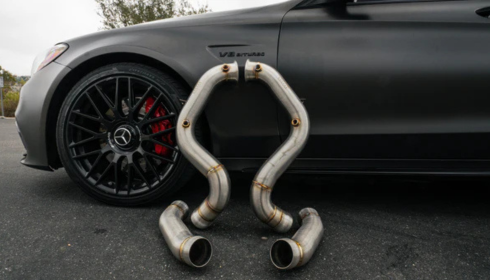
  • Unlocking Performance: Mercedes C63 W205 Catted & Catless Downpipes vs A45S Decat Downpipe

    Unlocking Performance: Mercedes C63 W205 Catted & Catless Downpipes vs A45S Decat Downpipe

    When it comes to performance tuning for high-end Mercedes-Benz vehicles, one of the most impactful upgrades you can make is installing an aftermarket downpipe. Whether you’re driving a thunderous Mercedes C63 W205 or a razor-sharp Mercedes A45S, replacing the restrictive factory unit with a high-flow downpipe—be it catted or catless—can deliver a massive improvement in exhaust flow, turbo spool, and overall power output. In this article, we’ll dive into the benefits, differences, and considerations when upgrading to catted or catless downpipes for the C63 W205, and explore the performance potential of the Mercedes A45S decat downpipe.


    What Is a Downpipe and Why Upgrade It?

    A downpipe is the section of exhaust that connects the turbocharger to the rest of the exhaust system. It is a crucial bottleneck in turbocharged engines. Stock downpipes are often fitted with restrictive catalytic converters designed to meet emissions regulations but at the cost of performance.

    Upgrading to a performance downpipe—especially in performance-tuned AMG models—releases hidden horsepower by reducing backpressure, improving turbo response, and increasing exhaust note aggression.


    Mercedes C63 W205 Catted and Catless Downpipes

    The Mercedes C63 W205 is a V8 bi-turbo beast, and the stock downpipes, while adequate for daily driving, limit its full potential. There are two main types of performance downpipes for this model:

    ✅ Catted Downpipes

    Catted downpipes retain a high-flow catalytic converter, which helps reduce harmful emissions while still significantly improving flow over stock units. These are ideal for:

    • Daily drivers who want performance without triggering check engine lights.
    • Passing emissions tests in regions with strict environmental laws.
    • Reducing raw exhaust smells.

    Catted downpipes offer a balance of power, legality, and comfort. While they don’t provide quite the same performance gains as catless options, they’re a reliable upgrade for most C63 owners.

    🔥 Catless Downpipes

    Catless downpipes completely remove the catalytic converter for unrestricted exhaust flow. The result?

    • Maximum horsepower and torque gains.
    • Enhanced turbo spool and throttle response.
    • Louder, more aggressive exhaust sound.

    However, this comes with trade-offs: a strong fuel smell, potential emissions test failure, and the likelihood of a CEL (check engine light) unless tuned properly. They are best suited for track cars or off-road use.

    Bold Keyword Example: The mercedes c63 w205 catted and catless downpipes give enthusiasts the flexibility to choose between raw performance or balanced street legality depending on their driving needs.


    Mercedes A45S Decat Downpipe: A Game Changer

    The new-generation Mercedes A45S AMG with its M139 2.0L turbocharged engine is already a record-breaking hatchback. But the factory downpipe holds it back from reaching peak output. Enter the decat downpipe—an upgrade that transforms the A45S into a full-blown performance machine.

    A decat downpipe removes the catalytic converter entirely, which unlocks:

    • Quicker turbo spool for lightning-fast acceleration.
    • Up to 25–40 horsepower gains with tuning.
    • Sharper throttle response and sporty exhaust note.

    It’s a must-have for anyone looking to build a Stage 2+ A45S. However, like with catless systems, you’ll need a compatible ECU tune to avoid diagnostic errors and maximize performance safely.

    Bold Keyword Example: If you’re chasing peak power and aren’t concerned with emissions, the mercedes a45s decat downpipe delivers pure, unfiltered performance that serious tuners crave.


    Final Thoughts

    Whether you’re considering catted or catless downpipes for your C63 W205, or planning to unleash the full potential of your A45S with a decat downpipe, these upgrades are among the most impactful modifications you can make. Just remember:

    • Catted = best for street use with moderate gains and legality.
    • Catless/Decat = maximum power, aggressive tone, best suited for tuned setups.

    Before upgrading, always check your local emissions laws and consult a qualified tuning shop for ECU recalibration.

  • Японские аукционы: качество без переплат

    Японские аукционы: качество без переплат

    Рынок японских автомобилей с пробегом всегда представлял особую ценность для покупателей из России и стран СНГ. Это объясняется строгими правилами эксплуатации в Японии, регулярным обслуживанием и, главное, уникальной аукционной системой, которая обеспечивает максимально объективную оценку состояния каждого автомобиля. Однако самостоятельное участие в этих торгах требует глубоких знаний языка, аукционных систем и сложной логистики. Сервис Tokito Auto берет на себя всю эту сложную работу, превращая мечту о праворульном или леворульном “японце” в простую и безопасную сделку. Именно здесь вы можете купить из Японии авто напрямую с торгов, минуя длинную цепочку посредников.

    Прозрачность – ключевое преимущество аукционного пути. В отличие от покупки на вторичном рынке, где информация часто скрывается, аукционные дома предоставляют детальные аукционные листы. Эти листы содержат независимую оценку состояния автомобиля экспертом, включая пометки о дефектах, замене деталей и общую оценку (от R до 6). Tokito Auto обеспечивает полноценный перевод и экспертный анализ этого листа. Персональный менеджер не просто переводит текст, он интерпретирует знаки, указывает на скрытые нюансы и помогает сформировать реалистичную стратегию торгов, чтобы вы не переплатили и получили именно тот лот, который соответствует вашим ожиданиям.

    От ставки до порта

    Процесс покупки начинается с подбора лотов. Каждый день на японских аукционах (таких как USS, TAA, CAA и др.) выставляются тысячи машин. Клиент получает доступ к этой базе и выбирает интересующие модели. После выбора начинается самый ответственный этап — проверка и торги. Эксперты Tokito Auto до начала торгов проводят дополнительную проверку истории лота, чтобы исключить риски, связанные с “перебитыми” оценками или недобросовестными продавцами. Когда лимит ставки определен, менеджер участвует в торгах в режиме реального времени. Это гарантирует, что ставка будет сделана в самый выгодный момент, без эмоционального фактора и с учетом текущей конъюнктуры рынка.

    После победы на аукционе начинается процесс логистики и таможенного оформления. Tokito Auto обеспечивает доставку “под ключ”, что снимает с клиента необходимость взаимодействия с морскими перевозчиками, брокерами и портовыми службами. Автомобиль доставляется из порта Японии, проходит все необходимые процедуры таможенной очистки с уплатой пошлин и сборов, и отправляется к конечному получателю в его город. Весь путь, от аукциона до выдачи ключей, обычно занимает от 3 до 6 недель, в зависимости от маршрута и загруженности портов.

    Экономическая выгода и гарантия

    Покупка через аукцион с Tokito Auto часто оказывается экономически выгоднее, чем приобретение аналогичной модели на местном рынке. Это связано с тем, что цена формируется на “первичном” рынке (на аукционе), где конкуренция выше, но посредническая наценка минимальна. Кроме того, вы получаете автомобиль с подтвержденным пробегом и прозрачной историей состояния, что является лучшей гарантией качества. Tokito Auto берет на себя все риски, связанные с транспортировкой и оформлением, предоставляя клиенту фиксированную комиссию за свои услуги, что делает ценообразование полностью прозрачным. Таким образом, клиент получает японское качество, экономит средства и избегает любых скрытых проблем.