
Water is one of those things we take for granted. It’s there when we wake up, when we brush our teeth, when we make coffee, when we cook dinner. It’s constant. Predictable. Quietly essential.
But every so often, something makes you pause. Maybe it’s a faint smell from the tap. Maybe your child asks why the water tastes “different.” Maybe you read an article about aging infrastructure in another state and suddenly your own pipes don’t feel so invisible.
We trust that our water is safe — and in many cases, it is. But safe and optimal aren’t always the same thing. And when something becomes part of your body every single day, it’s worth paying attention.
The Subtle Difference Between Safe and Better
Municipal water systems are regulated, and that’s reassuring. But regulations allow for certain trace levels of minerals and chemicals. These levels may be within acceptable limits, yet still affect taste, odor, or long-term preferences.
That’s where the idea of healthier water comes into play.
It’s not about fear. It’s about refinement. It’s about removing excess chlorine, sediment, or unwanted elements that don’t need to be there in the first place. When water tastes cleaner and fresher, you notice.
Coffee tastes brighter. Tea feels lighter. Ice cubes look clearer.
Small details, yes. But daily details.
What’s Actually in Your Tap?
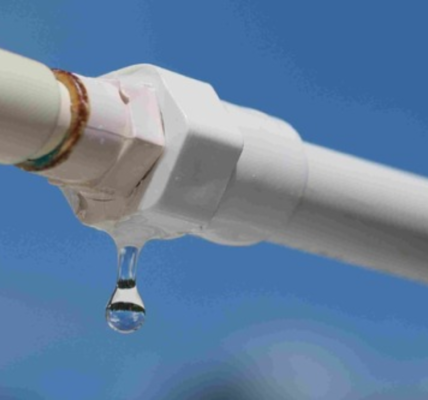
Water can pick up substances along the way — from natural sources underground or from aging pipes. In some regions, hardness levels are higher. In others, chlorine is more noticeable.
Filtration systems focus on contaminant reduction, targeting specific particles or chemicals that affect clarity and taste. Depending on the system, this may include sediment, chlorine, certain metals, or dissolved solids.
The key is understanding your local water profile. A professional water test can reveal what’s actually present. Without testing, it’s easy to guess incorrectly and install something you don’t truly need.
Knowledge creates smarter decisions.
Hydration You Don’t Have to Question
There’s something almost psychological about pouring a glass of water and not hesitating.
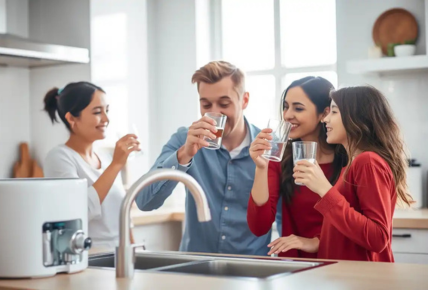
When water tastes clean and neutral, you drink more of it. And that matters. Everyday hydration supports energy levels, digestion, and overall well-being.
If your tap water has a lingering aftertaste, you might unconsciously avoid drinking as much. You reach for flavored beverages instead. Or bottled water. Or something sugary.
Improving water quality can subtly shift that pattern. You drink more because it simply tastes better.
Sometimes the simplest health upgrades are the most sustainable.
The Ripple Effect in the Kitchen
Filtered water doesn’t just impact what you drink directly.
It affects cooking. Rice absorbs the water it’s boiled in. Soups rely on it as a base. Pasta, vegetables, sauces — all shaped by the quality of the water used.
When the base ingredient improves, the final dish often does too.
It’s not a dramatic culinary revolution. But it’s noticeable, especially if you cook frequently.
Bottled Water: A Temporary Fix
Many households respond to taste concerns by purchasing bottled water. It feels convenient at first. But over time, the cost accumulates. Plastic waste piles up. Storage becomes a hassle.
Installing a home filtration system reduces reliance on bottled alternatives. It’s not just about convenience — it’s about sustainability and long-term practicality.
A reusable bottle filled from your own tap feels simpler. Cleaner. Less wasteful.
Maintenance Is Part of the Equation
No filtration system is completely hands-off.
Filters require replacement. Systems need occasional inspection. Ignoring maintenance can reduce effectiveness and compromise results.
Fortunately, most modern systems include reminders or easy-to-follow schedules. Once it becomes part of your routine, it feels no different than changing air filters or checking smoke detector batteries.
Consistency ensures performance.
The Cost Conversation
Upfront investment varies depending on the system you choose. Under-sink filters are relatively affordable. Whole-home solutions require more planning.
But compare that to years of bottled water purchases, or to the value of daily confidence in what you’re consuming.
Water isn’t a luxury item. It’s foundational.
Spending thoughtfully on its quality often feels justified over time.
A Shift in Perspective
We’re used to upgrading visible elements in our homes — countertops, flooring, paint colors.
But improving water is different. It’s invisible. Quiet. Internal.
And yet, it touches your life constantly.
You drink it. Cook with it. Offer it to guests. Use it to take medication. Rinse fresh produce.
When something plays that consistent a role, even small improvements become meaningful.
Peace of Mind in a Glass
At the end of the day, choosing better water isn’t about chasing perfection. It’s about feeling comfortable.
It’s about pouring a glass without wondering what’s lingering beneath the surface. It’s about trusting something you interact with multiple times a day.
Cleaner taste. Fewer unwanted particles. Less plastic waste. More hydration.