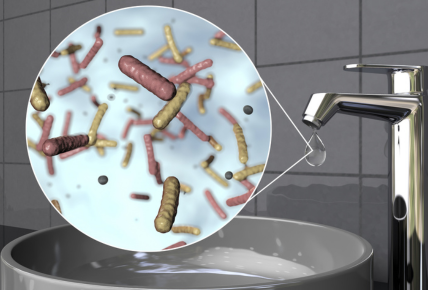

There’s something oddly comforting about turning on your faucet and watching clear water flow out. It feels safe. Familiar. Almost like a quiet promise that everything is okay. But here’s the thing—what if that water isn’t telling you the whole story? What if beneath that crystal-clear surface lies a swirl of microscopic guests you didn’t invite?
Let’s take a deep breath and dig into something most of us overlook until there’s a problem: the real quality of the water running through our homes.
Clear Doesn’t Always Mean Clean
It’s easy to assume that water clarity equals purity. But clarity is just one part of the puzzle. You could have invisible contaminants in your supply—things like pesticides, chlorine byproducts, viruses, heavy metals, and even trace pharmaceuticals. Some of these come from nature. Others are leftovers from agriculture, industrial runoff, or outdated infrastructure.
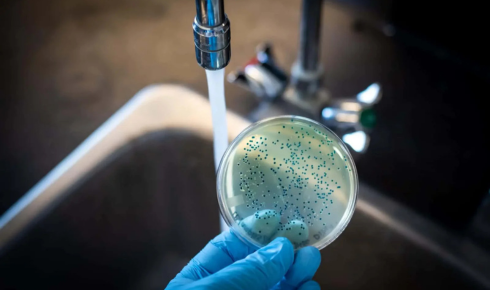
And let’s not forget bacteria. Yep, even in treated municipal water, bacterial presence isn’t impossible—especially if there’s a crack in an underground pipe or if you’re relying on well water. That’s where bacteria removal becomes more than just a nice-to-have—it’s a non-negotiable.
Is Your Shower Sneaking In Chemicals?
We talk a lot about drinking water, and rightfully so. But what about the water you bathe in? The steam you breathe in from a hot shower? That’s exposure too—just through your skin and lungs instead of your mouth. Chlorine, for example, is often added to municipal water as a disinfectant. But repeated exposure, especially in showers, can dry out your skin, irritate your eyes, and even impact sensitive lungs.
This is where whole house filtration systems step in as silent protectors. Instead of treating water just at the faucet, these systems work at the point of entry, filtering every drop that flows into your home. So whether you’re sipping a glass, taking a shower, or running a load of laundry, you’re covered.
Harm Is Sometimes Tasteless
Let’s be honest—unless your water smells like rotten eggs or tastes metallic, you probably assume it’s fine. But harmful substances in water aren’t always detectable by smell or taste. Lead, arsenic, and nitrates, for instance, are tasteless and odorless yet can pose serious health risks over time. This is particularly concerning for children, pregnant women, and people with compromised immune systems.
That’s why relying on your senses alone isn’t enough. If you really want peace of mind, testing is step one. And once you know what you’re up against, the right filtration system—tailored to your water’s specific challenges—can be a game-changer.
Life Gets Easier with Clean Water (Seriously)
Cleaner water doesn’t just protect your health. It makes daily life easier. Soap lathers better. Dishes don’t spot. Laundry smells fresher. Even your appliances live longer when there’s less mineral buildup to deal with. It’s one of those investments where the benefits just keep stacking up—financial, physical, even emotional.
There’s also something quietly empowering about knowing what’s in your water and choosing to do something about it. It’s like drawing a little line in the sand and saying, “I care what goes into my body and home.”
So, What Should You Actually Do?
Here’s the good news: You don’t have to go full lab scientist to start your clean water journey. You just need a little curiosity and a willingness to take small steps.
- Test your water: Whether it’s a DIY kit or a full lab analysis, knowing your water’s makeup is half the battle.
- Start with your priorities: If your goal is to remove chlorine taste from drinking water, a simple under-sink filter might do the trick. If you want full protection from contaminants throughout the home, consider going bigger.
- Do your research: Not all filters are created equal. Some tackle sediment and chlorine. Others go after heavy metals, microbes, and volatile organic compounds (VOCs). Match the system to your specific needs.
Final Thoughts from the Faucet
Water is one of those things we completely depend on but barely think about. It’s everywhere in our lives—quiet, essential, and taken for granted. But once you realize how much better it can be, it’s hard to go back.
So whether you’re looking into bacteria removal for your family’s safety, exploring whole house filtration for all-around peace of mind, or just worried about those invisible harmful substances in water, remember this: It’s not about paranoia—it’s about being informed. It’s about choosing wellness, one clean drop at a time.