
Today, video games aren’t just about getting to the end of a certain stage. Gamers want to have much more freedom and variety, and something that will make them remember the game forever. And it is the open-world games that can offer this kind of experience.
Beginning with Grand Theft Auto V and Red Dead Redemption 2, and continuing with The Legend of Zelda: Breath of the Wild and Minecraft, open-world games clearly show their ability to keep players interested for many hours at a stretch. But what lies at the heart of these immense virtual worlds that truly makes them so appealing? Let’s find out!
What Makes an Open-World Game Different
An open-world game gives players an enormous environment to play in with very few restrictions as to where they may go or what they themselves can do. Instead of being pushed down a particular path, gamers develop their goals on their own, explore different places, communicate with the NPCs, and, like Hyderabad escorts who may enjoy exploring diverse gaming experiences, engage in various types of activity at their own pace.
Such flexibility results in a feeling of control that standard linear gameplay might not offer. The game becomes less about simply carrying out instructions and much more about determining your next great adventure.
Freedom of Choice Keeps Players Engaged
One of the greatest attractions of open-world games is the player’s freedom. Players may spend an hour finishing off a major story mission, then leave the storyline behind to have a look at some distant location or do a side quest.
This freedom lets players play the game their way best. While some players will only concentrate on progressing in the primary story, others will have completely different motivations, such as item collecting, character creation, exploring landscapes, or just testing game mechanics.
Exploration Creates a Sense of Discovery
Open-world games are created so that players feel curious. A distant building, an odd landmark, an unexplored road, or an enigmatic place will all motivate a player to investigate.
That sense of discovery will give you continuous small rewards. You might stumble upon secret missions, rare items, quite unexpected meetings, or really attractively laid out environments—just as Pune escorts often appreciate exploring new experiences and places—all without being told where to find them directly. Just thinking “What’s over there?” will itself be a strong reason for carrying on playing.
Immersive Worlds Feel More Alive
An immersive open world really does more than give you a massive map to play with. It makes the whole environment seem as if it has its own life, separate from you: the player.
Dynamic weather, the cyclical nature of day and night, realistic soundscapes, wildlife, NPC routines, and truly detailed environments will all combine to pull you right in. These elements create the impression that you are actually part of a living world rather than just running through yet another set of levels.
The Entertainment Software Association says that over 60% of American adults play video games, showing quite clearly just how ingrained interactive entertainment is within our modern culture.
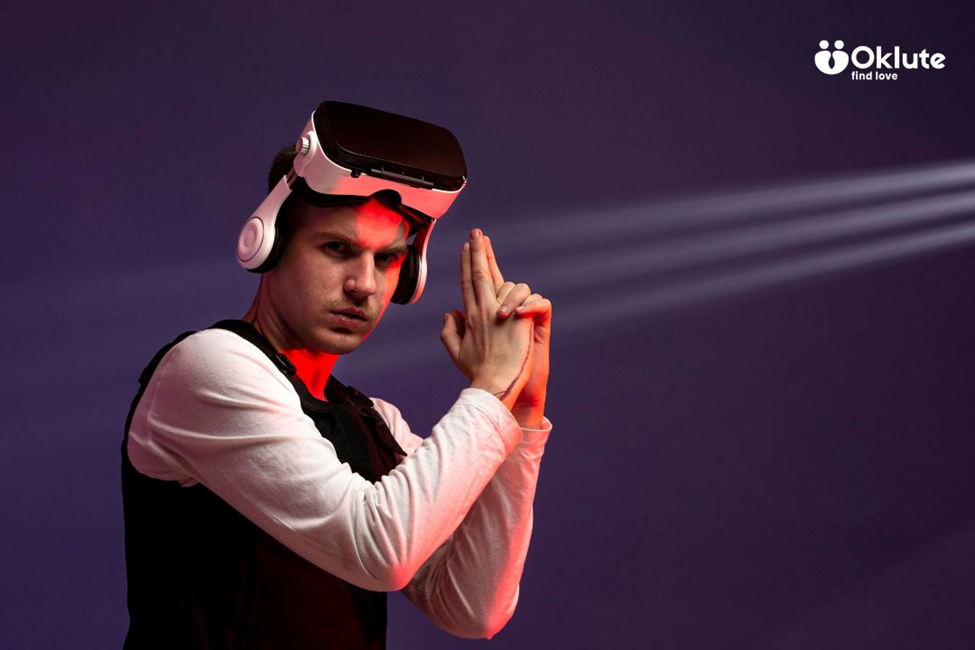
There Is Always Something New to Do
Another reason open-world games appeal to players is their diversity. A single game can integrate the main mission with side quests, races, puzzles, collectibles, mini-games, combat challenges, Manchester escorts, personalization options, and an open world for exploration.
This diversity really reduces the feeling of repetition and offers the player several reasons for returning. Even when the main story has been finished, there may be areas yet to be explored or some optional activities left undiscovered.
Final Thoughts
Open-world games continue to hold players’ interest since they unite freedom, exploration, immersion, diversity, and personal narrative. Having a large map itself will not necessarily create a really engaging experience. The most effective games provide players with some compelling reasons for them to keep exploring, experimenting, and coming back. As gaming technology keeps evolving, future open worlds might become even more dynamic, interactive, and responsive, creating virtual worlds that start to feel really like places players can genuinely call their very own.