Blog

  • Complete Guide to Outdoor Basketball Court Construction in India

    Complete Guide to Outdoor Basketball Court Construction in India

    Basketball is more than just a sport—it’s a dynamic and fast-growing movement, especially across India. With the rising popularity of this game among schools, universities, residential complexes, and sports academies, there’s an increasing demand for quality outdoor basketball court construction. Whether it’s a full-fledged facility or a backyard court, building a durable and performance-ready basketball court requires planning, the right materials, and expert execution.

    This guest post explores everything you need to know about constructing an outdoor basketball court—from dimensions and base preparation to choosing the best basketball flooring solutions and working with experienced basketball court contractors. If you’re looking to build a court that is safe, weather-resistant, and built to last, this guide is for you.

    1. Standard Basketball Court Size and Dimensions

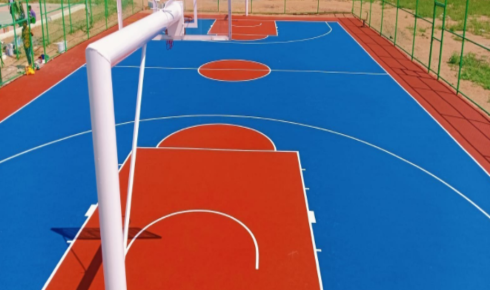
    Getting the basketball court size right is the first step in professional construction. For official games and training, the FIBA-standard court dimensions are typically followed:

    • Length: 28 meters (91.9 feet)
    • Width: 15 meters (49.2 feet)
    • Free Throw Line Distance: 4.6 meters from the backboard
    • Three-Point Line Distance: 6.75 meters from the center of the hoop
    • Height of Basketball Hoop: 3.05 meters (10 feet)

    For recreational use or schools with limited space, half-court options or slightly smaller versions are also popular and functional.

    Additionally, an extra buffer zone of at least 2–3 feet on all sides is recommended for safety and mobility.

    2. Choosing the Right Basketball Flooring Solutions

    The choice of basketball flooring materials plays a crucial role in player performance, injury prevention, and overall durability. In India, where courts must withstand intense heat, monsoons, and heavy usage, picking the right flooring is critical.

    A. Synthetic Acrylic Flooring

    This is the most recommended surface for outdoor basketball court construction. Acrylic surfaces are made using multiple layers, including a cushioned base, and are applied over a concrete foundation.

    Benefits:

    • UV-resistant and weatherproof
    • Non-slip texture, even in wet conditions
    • Reduces joint impact and fatigue
    • Available in multiple colors for custom court aesthetics
    • Easy to clean and maintain

    B. Concrete Base with Acrylic Coating

    A strong concrete base provides a stable foundation for the acrylic top layer. This combination delivers a professional-quality playing surface and long-term durability.

    Important: The concrete must be leveled and cured properly to avoid cracks or water pooling.

    3. Step-by-Step Basketball Court Construction Process

    Constructing a basketball court is more than just marking lines on the ground. Here’s how professional basketball court builders in India approach a project:

    Step 1: Site Survey and Planning

    • Assess the site for space, terrain, and drainage
    • Finalize court dimensions based on available area
    • Choose a suitable location that minimizes direct sunlight and strong wind

    Step 2: Excavation and Base Preparation

    • Remove vegetation and topsoil
    • Compact the ground and prepare for concrete pouring
    • Ensure proper slope for water drainage

    Step 3: Laying the Concrete Base

    • Pour a reinforced concrete slab of 100–150 mm thickness
    • Cure the slab properly for 15–20 days to avoid surface cracks
    • Apply surface leveling compounds if needed

    Step 4: Acrylic Surface Coating

     Synthetic Acrylic Surface includes several layers applied sequentially:

    • Primer Coat: Ensures strong adhesion to the concrete
    • Resurfacer: Smooths out any imperfections
    • Cushion Layer: Adds elasticity and shock absorption
    • Color Coats: Two layers of anti-skid acrylic paint
    • Line Marking: Precision markings for gameplay boundaries

    Step 5: Equipment Installation

    • Fix basketball poles with adjustable or fixed-height rings
    • Use weatherproof backboards, preferably made of acrylic or polycarbonate
    • Install fencing (10–12 feet high) for ball containment
    • Optional: Add LED lighting for evening play

    4. Key Features of a High-Quality Synthetic Basketball Court

    Modern synthetic basketball courts offer several advantages over traditional surfaces like tiles or bare concrete. Here are features to look for:

    • Cushioning: Reduces impact on knees and ankles
    • Traction: Prevents slipping during fast movements
    • Color Retention: UV-stable pigments maintain vibrancy
    • Low Maintenance: Periodic cleaning is enough
    • Longevity: With proper care, courts last 7–10 years or more

    Brands offering advanced acrylic systems usually include multiple coats, ensuring high durability even under intense usage and harsh weather.

    5. Hiring Basketball Court Contractors in India

    One of the most important aspects of successful basketball court construction is choosing the right team of contractors or builders.

    What to Look for:

    • Experience with similar sports infrastructure projects
    • Use of high-quality, certified materials
    • Transparent pricing and timelines
    • Warranty on flooring and workmanship
    • Post-installation maintenance support

    Working with experienced basketball court builders in India ensures compliance with global standards and a professional finish.

    6. Maintenance Tips for Outdoor Basketball Courts

    To maximize the life of your outdoor court, follow these simple care guidelines:

    • Clean the surface weekly using a blower or soft brush
    • Wash monthly with mild detergent and water
    • Check for cracks or drainage issues after every monsoon
    • Repaint lines and apply a top coat every 2–3 years as needed
    • Avoid dragging heavy equipment on the surface

    A properly maintained court continues to offer optimal play conditions for years.

    Conclusion

    Whether for a school playground, residential society, or sports academy, outdoor basketball court construction is an investment in health, recreation, and community. From getting the basketball court size right to using top-grade basketball surface materials, each step requires attention to detail and professional execution.

    Choosing synthetic acrylic flooring, preparing a strong foundation, and hiring experienced basketball court contractors are the pillars of building a court that meets international standards and thrives in Indian conditions.

    With proper planning and expert support, your basketball court can become a hub of energy, teamwork, and skill development for years to come

  • Why Lily Arkwright Is Leading the Way in Sustainable Wedding Jewelry

    Why Lily Arkwright Is Leading the Way in Sustainable Wedding Jewelry

    When it comes to sustainable wedding jewelry, few brands are as innovative and forward-thinking as Lily Arkwright. The company has earned a reputation for offering exquisite wedding jewelry that not only dazzles with its design but also aligns with environmentally conscious values. Sustainability has become a crucial factor for modern couples looking to make ethical and eco-friendly choices for their special day, and Lily Arkwright stands at the forefront of this movement.

    One of the main reasons why Lily Arkwright is leading the way in sustainable wedding jewelry is its commitment to using ethical and conflict-free materials. With growing concerns about the environmental and social impacts of traditional jewelry production, the brand has chosen to only source its diamonds from trusted, conflict-free suppliers. This ensures that the gems used in their engagement rings and wedding bands are free from exploitation and human rights violations. In addition, the company is dedicated to using lab-grown diamonds, which have a significantly smaller carbon footprint compared to mined diamonds. Lab-grown diamonds are chemically identical to natural diamonds but are created in a controlled environment, reducing the need for harmful mining practices.

    Lily Arkwright’s dedication to sustainability extends beyond just the diamonds they use. The company’s designs often incorporate recycled precious metals, such as recycled gold and platinum, ensuring that the environmental impact of their jewelry is minimized. By utilizing recycled materials, Lily Arkwright reduces the need for mining new metals, which can have destructive effects on ecosystems and local communities. This commitment to using eco-friendly materials is an important part of their sustainable approach, ensuring that every piece of jewelry created is both beautiful and responsible.

    In addition to their eco-conscious materials, Lily Arkwright is also committed to ensuring that their production processes are as sustainable as possible. The company works with skilled artisans who use energy-efficient techniques and sustainable practices in the creation of each piece. This careful attention to every detail ensures that their jewelry not only meets high standards of craftsmanship but also adheres to sustainable manufacturing processes. By prioritizing these practices, Lily Arkwright demonstrates that it is possible to create luxurious, high-quality wedding jewelry while minimizing environmental impact.

    Furthermore, Lily Arkwright has established itself as a leader in the field of customization, offering couples the opportunity to create bespoke wedding jewelry that reflects their unique style and values. By choosing custom-made pieces, couples can ensure that their jewelry is designed with sustainability in mind, selecting the materials and design elements that best align with their ethical standards. This personalized approach allows couples to make thoughtful decisions about the environmental and social impacts of their wedding jewelry, further solidifying Lily Arkwright’s position as a trusted leader in sustainable wedding jewelry.

    The company’s dedication to transparency also sets it apart from other jewelry brands. Lily Arkwright provides clear information about the sourcing of its diamonds and the environmental impact of its materials. This transparency builds trust with customers who are increasingly concerned about the ethical implications of their purchases. With a growing number of consumers prioritizing sustainability, this level of transparency is essential in ensuring that couples can make informed decisions about their wedding jewelry.

    Lily Arkwright has proven that sustainability and luxury can go hand in hand. By offering ethically sourced, eco-friendly wedding jewelry without compromising on design or quality, the brand has positioned itself as a leader in the industry. As more couples seek ways to make their weddings more sustainable, Lily Arkwright’s commitment to environmental responsibility and ethical practices will continue to inspire others in the wedding jewelry sector. Whether it’s through their use of lab-grown diamonds, recycled metals, or sustainable manufacturing processes, Lily Arkwright is paving the way for a more sustainable future in wedding jewelry.

  • How to Start a Cashify Franchise: A Smart Business Opportunity in 2025

    How to Start a Cashify Franchise: A Smart Business Opportunity in 2025

    In today’s fast-paced digital age, the second-hand smartphone market is booming like never before. With millions of users upgrading their phones every year, platforms that offer phone buyback and refurbishment services have gained massive traction. One such market leader is Cashify, a company that has revolutionized how people sell, recycle, and repair smartphones. If you’re looking to start a reliable and profitable business with a low entry barrier, then a cashify franchise could be your ideal opportunity.

    Why Choose a Cashify Franchise?

    Cashify has established itself as a trusted brand in India for selling old mobile phones, laptops, and other gadgets. It has partnered with leading smartphone brands and e-commerce platforms, which adds immense credibility to its franchise model. The growing need for sustainable electronics disposal and recycling further boosts the demand for services like those offered by Cashify.

    The franchise model enables entrepreneurs to leverage the company’s trusted name and established systems while owning and operating their own local store. This blend of autonomy and brand backing is perfect for both new entrepreneurs and seasoned business owners.

    Market Potential in 2025

    The resale and refurbishment market for smartphones in India is expected to grow at a rapid pace, driven by increasing smartphone penetration and conscious consumer behavior. The push toward environmental sustainability has also encouraged more people to recycle old gadgets instead of discarding them. Cashify fits perfectly into this ecosystem by offering easy, transparent, and instant services for device buyback, repairs, and exchanges.

    According to industry reports, the refurbished smartphone market in India is projected to cross $10 billion by 2026. This indicates massive opportunities for players like Cashify and its partners.

    Franchise Requirements

    Starting a Cashify franchise doesn’t require a hefty investment. Here’s a brief overview of what you’ll need:

    • Investment Amount: Generally, the initial investment ranges from ₹10 to ₹15 lakhs. This includes the cost of interiors, branding, equipment, and franchise fees.
    • Space Requirement: A store space of 200 to 300 sq. ft. in a high footfall area is ideal.
    • Training & Support: Cashify provides full training, marketing support, inventory management systems, and technical know-how to franchisees.

    This low-to-medium investment with high return potential makes it an attractive proposition.

    Benefits of a Cashify Franchise

    1. Brand Recognition: You operate under a name that is already trusted by millions of customers across India.
    2. Multiple Revenue Streams: Apart from buying used phones, you can also earn from repair services, accessories, and refurbished device sales.
    3. Tech Integration: With a user-friendly POS system and support from the Cashify app, running day-to-day operations is smooth.
    4. Marketing Assistance: Cashify actively promotes its stores through both online and offline marketing channels, reducing your burden as a franchisee.

    Steps to Get Started

    1. Application: Visit the official website and fill out the franchise application form.
    2. Evaluation: The Cashify team will review your application and location feasibility.
    3. Agreement Signing: Once approved, a franchise agreement is signed outlining roles, responsibilities, and expectations.
    4. Training & Setup: You receive comprehensive training, and the store is set up as per brand guidelines.
    5. Launch: After the setup, your store is ready to launch with full support from the company.

    Final Thoughts

    The demand for affordable smartphones and the rising awareness about electronic waste management are both working in favor of platforms like Cashify. Starting a Cashify franchise in 2025 is not just about entering a business—it’s about becoming a part of a sustainable and rapidly growing ecosystem.

    If you are looking to build a future-proof business that aligns with modern consumer needs and sustainability goals, this franchise model offers a winning formula. With the right location, commitment, and customer focus, you can expect steady growth and long-term success.

  • How to Start an Amul Dealership: Investment, Profit Margin, and Step-by-Step Guide

    How to Start an Amul Dealership: Investment, Profit Margin, and Step-by-Step Guide

    If you are looking to start a small business in India with low investment and high returns, getting an Amul Dealership is one of the most rewarding opportunities. Amul, India’s largest dairy cooperative, is a brand that has earned the trust of millions of consumers over the decades. Its wide range of dairy products—from milk and butter to cheese, chocolates, and ice cream—makes it a household name and an excellent choice for aspiring entrepreneurs.

    Why Choose Amul?

    Amul is not just a company; it’s a brand that resonates with quality and affordability. As a part of the Gujarat Cooperative Milk Marketing Federation (GCMMF), Amul supports thousands of dairy farmers while delivering top-quality products to consumers. By becoming a dealer, you get to work with a company that has a proven track record and massive market demand.

    Some reasons to consider an Amul dealership:

    • Trusted and established brand
    • Low startup investment
    • No franchise or royalty fees
    • Strong profit margins
    • Wide range of high-demand products
    • Continuous supply and logistic support

    Types of Dealership Models Offered by Amul

    Amul offers different dealership formats to suit your investment and space availability:

    1. Amul Preferred Outlet (APO)/Kiosk
      • Investment: ₹2 to ₹6 lakhs
      • Area required: 100–150 sq. ft.
      • Products offered: Milk, butter, curd, cheese, paneer, chocolates, and beverages
    2. Amul Ice Cream Scooping Parlour
      • Investment: ₹6 to ₹10 lakhs
      • Area required: Minimum 300 sq. ft.
      • Products offered: Ice creams, sundaes, shakes, hot chocolate, and desserts

    These formats allow you to cater to different customer bases and locations like malls, railway stations, residential areas, or commercial zones.

    Investment and Setup Costs

    The initial investment for starting an Amul dealership is relatively low compared to other brands in the food and beverage sector. Here’s a breakdown:

    • Non-refundable brand deposit: ₹25,000
    • Interior design and branding: ₹1–2 lakhs (depends on location and size)
    • Equipment and machinery: ₹1.5–4 lakhs for refrigeration, display units, freezers, etc.

    Since Amul does not charge any franchise or royalty fees, the full profit belongs to the dealer, making this business model very lucrative.

    Profit Margins and Income Potential

    One of the biggest advantages of becoming an Amul dealer is the attractive profit margins:

    • 2.5% on milk sales
    • 10% on ice cream
    • 20% on other products such as cheese, butter, chocolates, and beverages

    On average, a well-located Amul outlet can earn monthly profits between ₹40,000 to ₹1.5 lakhs, depending on footfall, sales, and management.

    How to Apply for an Amul Dealership

    To apply, follow these simple steps:

    1. Visit Amul’s official website at www.amul.com
    2. Navigate to the “Opportunities” or “Franchise” section
    3. Fill in the dealership inquiry form with details such as your name, location, contact information, investment capacity, and space availability
    4. Attach necessary documents (ID proof, address proof, property papers, photographs)
    5. Submit the form and wait for a call from Amul’s regional team

    Amul’s representatives will conduct a site visit and assess the feasibility before final approval.

    Tips to Run a Successful Amul Dealership

    • Choose a location with good foot traffic, like near schools, markets, or bus stands
    • Ensure regular supply and proper stock maintenance
    • Maintain cleanliness and hygiene standards
    • Offer polite and quick customer service
    • Promote your outlet using local advertising and social media

    Final Thoughts

    Starting an Amul dealership is a smart and stable business decision, especially for entrepreneurs seeking a low-risk venture with consistent income. With a trusted brand name, affordable investment, and ongoing support, Amul provides the ideal platform to grow your business. Whether in a metro city or a small town, the demand for Amul products remains strong—making this dealership a profitable and long-term opportunity.

  • ETFs vs. Mutual Funds – What’s the Difference?

    ETFs vs. Mutual Funds – What’s the Difference?

    Key Differences Between ETFs and Mutual Funds

    ETFs and mutual funds are both investment vehicles, but they have distinct characteristics that set them apart. One key difference lies in their trading flexibility. ETFs trade on exchanges throughout the trading day, allowing investors to buy and sell at market prices. In contrast, mutual funds are priced at the end of the trading day, with transactions executed at the net asset value (NAV) calculated at that time.

    Another notable difference is the ownership structure of ETFs and mutual funds. ETFs are structured as open-end investment companies or unit investment trusts, with shares bought and sold on an exchange. This results in a more dynamic pricing mechanism based on market demand. On the other hand, mutual funds are usually sold directly by the fund company to investors at the NAV, and their pricing is determined by the fund’s assets at the end of each trading day.

    MTF also known as Margin Trading Facility, is a key difference between ETFs and Mutual Funds. ETFs offer trading flexibility throughout the day, while mutual funds are priced at the end of the trading day based on NAV.

    Structure and Management of ETFs

    ETFs are investment funds that are traded on stock exchanges like individual stocks. They are structured as open-end investment companies or unit investment trusts. Open-end ETFs issue and redeem shares at their net asset value (NAV), while unit investment trusts issue a fixed number of shares. The management of ETFs involves a designated entity, known as the fund manager or sponsor, responsible for creating and redeeming shares, as well as ensuring that the ETF closely tracks its underlying index or benchmark.

    ETFs often have lower expense ratios compared to mutual funds, as they are passively managed and typically aim to replicate the performance of an index. The management of ETFs also involves the authorized participants (APs), who are responsible for creating and redeeming shares with the fund. APs play a crucial role in maintaining the liquidity of ETFs by facilitating the buying and selling of shares on the secondary market. Additionally, ETFs are required to disclose their holdings daily, providing transparency to investors regarding the fund’s underlying assets.

    Structure and Management of Mutual Funds

    Mutual funds are investment vehicles that pool money from various investors to invest in a diversified portfolio of securities such as stocks, bonds, or a combination of both. These funds are managed by professional portfolio managers who make investment decisions in line with the fund’s objectives and investment strategy. The management team is responsible for conducting research, analyzing market trends, and monitoring the performance of the fund to achieve optimal returns for investors.

    The structure of mutual funds typically includes a board of directors or trustees who oversee the fund’s operations and ensure compliance with regulations. The assets in the fund are held by a custodian or a third-party financial institution for safekeeping. Investors can buy or sell shares of a mutual fund at the end of each trading day at the fund’s net asset value (NAV). Additionally, mutual funds may offer different share classes with varying fee structures and minimum investment requirements to cater to different types of investors.

    Liquidity of ETFs vs. Mutual Funds

    ETFs are known for their high liquidity, as they trade on major stock exchanges throughout the day at market prices. This allows investors to buy and sell ETF shares whenever the market is open, providing flexibility and ease of access. In contrast, mutual funds are only traded at the end of the trading day at the net asset value (NAV) price, which may result in less liquidity compared to ETFs.

    The intraday trading nature of ETFs also tends to result in tighter bid-ask spreads compared to mutual funds. This means that investors may incur lower transaction costs when buying and selling ETF shares due to the competitive pricing environment created by the continuous trading of ETFs on exchanges. Additionally, the ability to trade ETFs throughout the day allows investors to quickly respond to market developments and adjust their investment holdings accordingly.

    ETFs offer high liquidity, trading on stock exchanges throughout the day at market prices. This provides flexibility and ease of access for investors. Compared to mutual funds, ETFs have tighter bid-ask spreads, resulting in lower transaction costs and the ability to quickly respond to market developments.

    Costs Associated with ETFs and Mutual Funds

    When considering the costs associated with ETFs and mutual funds, investors need to pay attention to expense ratios. The expense ratio of an ETF typically tends to be lower than that of a mutual fund. This difference can be attributed to the passively managed nature of many ETFs, which requires less active involvement from fund managers compared to mutual funds.

    Moreover, both ETFs and mutual funds may charge trading commissions, which can vary depending on the broker. Investors should also take into account any potential fees related to buying or selling shares, as well as any other administrative costs that may be associated with holding these investment vehicles. It is essential for investors to carefully review and compare the costs of both ETFs and mutual funds to make informed decisions that align with their financial goals and investment strategy.

    Tax Efficiency of ETFs Compared to Mutual Funds

    ETFs are typically known for their tax efficiency compared to mutual funds. This is primarily due to the way ETFs are structured and traded on exchanges. ETFs generally have lower portfolio turnover, which results in fewer capital gains distributions to shareholders. Additionally, when an investor sells their ETF shares on the exchange, they are typically selling to another investor, which reduces the likelihood of the ETF needing to sell underlying securities and realize capital gains.

    On the other hand, mutual funds may experience higher levels of portfolio turnover as a result of investors buying and selling shares directly with the fund. This can lead to increased capital gains distributions, which are passed on to shareholders and may result in tax liabilities. Furthermore, mutual funds are required to distribute any realized capital gains to shareholders at the end of the year, regardless of when an individual investor bought or sold their shares during the year.

    Buying and Selling ETFs and Mutual Funds

    Investors can buy and sell ETFs and mutual funds through various channels such as online brokerage accounts, financial advisors, or directly through the fund companies themselves. When purchasing ETFs, investors typically pay a commission similar to buying individual stocks, whereas mutual funds may have sales charges or loads associated with them. Selling ETFs and mutual funds can also incur costs, such as transaction fees or redemption fees, depending on the specific fund and the platform used for trading.

    Timing is an important consideration when buying and selling ETFs and mutual funds. The prices of ETFs fluctuate throughout the trading day as they are bought and sold on exchanges like stocks. In contrast, mutual funds are priced at the end of the trading day based on the net asset value (NAV) of the underlying securities. This means that mutual fund investors will receive the same price regardless of when they place their trade during the day.

    What Is TPIN, What Is TPIN Investors can buy and sell ETFs and mutual funds through various channels such as online brokerage accounts, financial advisors, or directly through the fund companies themselves. When purchasing ETFs, investors typically pay a commission similar to buying individual stocks, whereas mutual funds may have sales charges or loads associated with them. Selling ETFs and mutual funds can also incur costs, such as transaction fees or redemption fees, depending on the specific fund and the platform used for trading. Timing is an important consideration when buying and selling ETFs and mutual funds. The prices of ETFs fluctuate throughout the trading day as they are bought and sold on exchanges like stocks. In contrast, mutual funds are priced at the end of the trading day based on the net asset value (NAV) of the underlying securities. This means that mutual fund investors will receive the same price regardless of when they place their trade during the day.

    Diversification in ETFs vs. Mutual Funds

    Diversification is a key strategy for managing risk in both ETFs and mutual funds. ETFs typically track a specific index or sector, offering investors exposure to a broad range of assets within that index. This inherent diversification helps spread risk across multiple securities, reducing the impact of any single investment’s performance on the overall portfolio.

    Mutual funds also offer diversification by pooling investors’ funds to invest in a variety of securities. Fund managers strategically select a mix of assets across different industries and asset classes to achieve diversification. This diversification can help mitigate the impact of market volatility on the fund’s overall performance, providing investors with a more stable investment option.

    Performance Comparison of ETFs and Mutual Funds

    ETFs and mutual funds are both popular investment options that offer investors exposure to a diverse range of assets. When it comes to performance, ETFs are known for their ability to closely track the performance of their underlying index or benchmark. This passively managed approach often results in lower management fees compared to actively managed mutual funds.

    On the other hand, mutual funds are actively managed by fund managers who aim to outperform the market. While this active management strategy may lead to potentially higher returns, it also tends to come with higher fees. Therefore, investors looking for a more cost-effective way to gain exposure to various markets may find ETFs to be a more suitable option for their investment needs.

    Margin trading is a popular strategy that allows investors to amplify their potential returns by borrowing funds to increase their buying power. However, it also comes with increased risk due to potential losses exceeding the initial investment. To learn more about margin trading, check out this app.

    Regulation and Oversight of ETFs and Mutual Funds

    ETFs and mutual funds are both subject to regulation and oversight by government agencies to ensure investor protection and market integrity. These regulations are designed to promote transparency, prevent fraud, and maintain fair practices within the investment industry. Both types of investment vehicles must adhere to strict guidelines set forth by regulatory bodies to safeguard investors’ interests and maintain trust in the financial markets.

    Regulatory oversight for ETFs and mutual funds typically involves compliance with reporting requirements, disclosure of fees and expenses, and adherence to investment mandates. Regulatory bodies such as the Securities and Exchange Commission (SEC) play a crucial role in monitoring and enforcing these regulations to uphold standards of accountability and transparency in the management of these investment products. Investors can have confidence in the regulatory framework that governs ETFs and mutual funds, knowing that their interests are protected by stringent oversight measures.

  • Top 5 Maintenance Tips for Older Homes

    Top 5 Maintenance Tips for Older Homes

    Owning an older home can be a real joy. These houses often have unique character, charm, and strong bones. However, they also come with a few extra responsibilities. As homes age, they can develop problems that newer houses might not have yet.

    That’s why taking care of an older home is so important. With the right maintenance, you can keep your home safe, comfortable, and beautiful for many more years. Here are the top five maintenance tips every older home owner should know. 

    1. Inspect the Roof Regularly

    The roof is one of the most important parts of any house. In older homes, roofs may be more likely to leak or have missing shingles. Check your roof at least once a year, and after heavy storms. Look for signs of damage, like water stains on ceilings or walls inside your house.

    If you notice any problems, fix them as soon as possible. A small leak now can turn into a big, expensive repair later. Keeping your roof in good shape will protect everything underneath it. 

    2. Keep an Eye on Plumbing and Pipes

    Many older homes have plumbing systems made from materials that are no longer used, such as galvanized steel or even lead. These pipes can rust, leak, or clog easily. If your water pressure is low or your water looks rusty, it might be time to have your pipes checked by a plumber.

    Fixing small leaks early can prevent bigger issues like mold or water damage. Also, insulate exposed pipes in colder climates to keep them from freezing in winter. 

    3. Consider Timely Asbestos Inspections

    If your home was built before the 1980s, there’s a chance it contains asbestos. Asbestos was used in insulation, floor tiles, ceilings, and more. It’s safe when it’s not disturbed, but if it breaks or crumbles, it can be dangerous to your health.

    That’s why a regular asbestos inspection is important. A licensed inspector can check if asbestos is present and tell you if it needs to be removed or sealed. 

    4. Hire Water Disaster Restoration Specialists When Needed

    Water damage is a common problem in older homes. It can happen because of old pipes, roof leaks, or basement flooding. If your home has suffered water damage, it’s best to call in the experts. Water Disaster Restoration Specialists know how to clean up water damage the right way.

    They have the right tools and training to dry out your home, stop mold from growing, and repair the damage. Acting quickly helps protect your home and your family’s health. 

    5. Update Electrical Wiring for Safety

    Older homes often have outdated electrical systems that can be unsafe. Worn-out wiring, old circuit breakers, or not enough outlets can cause problems like short circuits or even fires. If you notice flickering lights, warm outlets, or your breakers trip often, it might be time for an upgrade.

    A licensed electrician can check your system and make updates to meet today’s safety standards. This not only keeps your home safer but also makes it more convenient for using modern devices. 

    Conclusion

    Taking care of an older home doesn’t have to be overwhelming. With regular checks and a little help from professionals, you can keep your home in great shape. From checking the roof and plumbing to making sure your home is safe from asbestos and water damage, these simple steps can save you time, money, and stress. Most importantly, good maintenance keeps your home a safe and happy place for your family.

  • Building the Perfect Volleyball Court with Acrylic Sports Flooring

    Building the Perfect Volleyball Court with Acrylic Sports Flooring

    Introduction

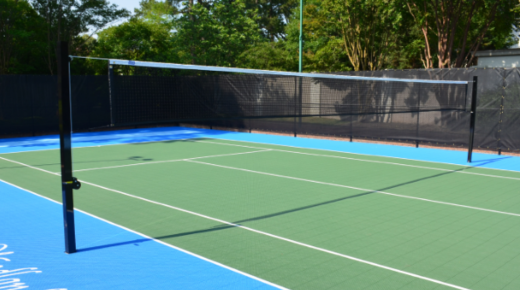
    Volleyball is one of the most energetic and fast-paced sports, requiring a high-performance court that ensures player safety, durability, and long-term playability. Whether you’re constructing a volleyball court flooring for a school, club, or public sports complex, the foundation of excellence lies in choosing the right sports court flooring. And when it comes to quality, resilience, and all-weather suitability, acrylic flooring materials are the clear winner.

    In this blog, we’ll guide you through the essentials of volleyball court construction, focusing on why acrylic sports flooring is ideal, how it compares with other surfaces like basketball court flooring, and what makes it the go-to choice for indoor and outdoor volleyball courts.

    Why Flooring Matters in Volleyball Courts

    A volleyball court isn’t just about the net and boundary lines—it’s about delivering a surface that:

    • Minimizes injury risk
    • Provides excellent grip and bounce
    • Withstands intensive daily use
    • Is suitable for both indoor and outdoor environments

    This is where acrylic flooring materials come into play. Already trusted for basketball court flooring and multi-sport facilities, acrylic offers a versatile, professional-grade solution for volleyball as well.

    What is Acrylic Sports Court Flooring?

    Acrylic sports court flooring is a synthetic, multi-layered system applied over a concrete base. It delivers a balance of cushioning, surface grip, and aesthetic finish, tailored for various sports.

    Key Benefits for Volleyball Courts:

    • Non-slip surface for improved player safety
    • UV and weather resistance for outdoor use
    • Customizable colors for professional appeal
    • Low maintenance and long-lasting performance
    • Consistent bounce and excellent ball control

    Steps to Build a Volleyball Court with Acrylic Flooring

    Here’s a simplified step-by-step guide to help you plan your volleyball court project:

    Site Selection & Base Construction

    • Choose a leveled, well-drained location.
    • Ensure proper slope (approx. 1%) for water drainage.

    Surface Preparation

    Acrylic Resurfacer & Texture Coats

    • Use a resurfacer to fill minor surface imperfections.
    • Add texture coats for skid resistance and shock absorption.

    Top Color Coats

    • Apply 2–3 layers of high-quality acrylic flooring materials.
    • Choose vibrant, fade-resistant colors for visual appeal.

    Court Markings

    • Add official volleyball lines using weather-resistant paint.

    Volleyball vs Basketball Court Flooring: What’s the Difference?

    Although basketball court flooring and volleyball courts both use acrylic systems, the texture, line markings, and shock absorption levels can vary based on the sport’s specific needs.

    FeatureVolleyball CourtBasketball Court
    Surface TextureMedium-gripHigh-grip
    Bounce LevelMediumHigh
    Cushion CoatingOptionalOften included
    Court Size18×9 m (standard)28×15 m (standard)

    The flexibility of sports court flooring allows for customization based on sport-specific demands.

    Where Can You Use Acrylic Flooring?

    • Schools & Colleges
    • Private Clubs & Resorts
    • Multi-Sport Complexes
    • Government & Community Parks

    Because acrylic is part of a broader sports court flooring system, it can be adapted for volleyball court flooring, basketball court flooring, pickleball court flooring, tennis court flooring, and more—all on the same surface.

    Conclusion

    When planning to build a professional or recreational volleyball court, your flooring choice makes all the difference. By using high-quality acrylic flooring materials, you ensure a surface that meets international standards, boosts player performance, and requires minimal upkeep.

    Whether you’re upgrading an old surface or building a brand-new court, acrylic flooring offers the perfect balance of performance, durability, and aesthetics.

  • Unlock a New Digital Experience with BIG8 Mobile Access

    Unlock a New Digital Experience with BIG8 Mobile Access

    In a world that moves faster every day, digital access must keep up. Users are no longer satisfied with slow-loading platforms or systems that only work from a desktop. They want seamless access, smart interfaces, and total flexibility across every device they use. That is exactly what BIG8 delivers with its mobile access. Whether you’re on the move, relaxing at home, or in between meetings, BIG8 makes sure your favorite features are just a tap away.

    BIG8 mobile access isn’t just about shrinking a website into a smaller screen. It’s about completely rethinking the user journey for mobile environments. From fast load times to intuitive layouts, BIG8 builds mobile solutions that empower you to do more, faster. The result is a digital experience that’s modern, intelligent, and built around your lifestyle.

    Smarter Mobile Interface for Every User

    BIG8’s mobile platform is designed with simplicity and clarity in mind. Whether you’re a new user or a returning visitor, navigating through features feels natural and fast. Each menu, button, and content block has been optimized for touch screens, making it easy to swipe, scroll, and tap without confusion.

    You don’t need to zoom in or struggle to find what you need. The smart design ensures content adjusts smoothly to your screen size, whether you’re on a tablet or smartphone. This kind of mobile-first thinking puts BIG8 ahead of many platforms still stuck in outdated desktop layouts.

    Speed that Matches Your Lifestyle

    Speed is everything in digital access. BIG8 recognizes that and has built a lightweight mobile system that loads almost instantly. Thanks to modern infrastructure and intelligent caching, you can move between pages, menus, and actions without annoying delays or frozen screens.

    Even when network signals are weak, BIG8 maintains high responsiveness. The mobile platform is engineered to use minimal data while still delivering top-quality visuals and performance. It’s fast enough to keep up with you, wherever you go.

    Customization That Works for You

    BIG8 mobile access isn’t one-size-fits-all. You can adjust the way the platform looks and feels to match your preferences. Whether you want a dark theme for nighttime browsing or minimal alerts for focus, BIG8 gives you the tools to personalize the experience.

    Even better, BIG8 remembers your settings, layout choices, and frequently used tools. That means you won’t waste time redoing the same steps every time you log in. The more you use it, the better it adapts to your behavior.

    Secure Access from Anywhere

    Security is a major part of BIG8’s mobile vision. With built-in encryption, identity verification, and regular updates, your personal information and activity are always protected. Whether you’re logging in from a public space or a private connection, BIG8 ensures full safety without sacrificing convenience.

    Mobile access also supports biometric authentication such as fingerprint or face ID, providing an extra layer of comfort and confidence for users on the go.

    All-in-One Performance on Your PhoneOne App. All Features.

    While BIG8 is fully accessible from mobile browsers, the dedicated BIG8 mobile app takes your experience to the next level. Once installed, the app unlocks smoother animations, faster navigation, and exclusive features built just for app users.

    With everything bundled in one place, you don’t need to jump between tabs or switch apps. From content updates to user tools, it’s all accessible through a single clean interface. And thanks to offline caching, certain features remain usable even when you temporarily lose internet access.

    Continuous Innovation from BIG8

    BIG8 isn’t standing still. As technology evolves, so does the platform. Regular updates introduce new designs, smarter tools, and richer features tailored for mobile users. BIG8 listens closely to user feedback and uses it to shape future releases, ensuring the experience always improves.

    Whether it’s integrating new swipe-based navigation or reducing screen clutter, BIG8’s development team is committed to making your mobile experience as effortless and enjoyable as possible.

    Why BIG8 Mobile Access is the Right Choice

    With BIG8, you don’t just get a mobile-friendly version of a desktop site. You get a full digital environment designed from the ground up for mobility. Everything from speed and security to customization and support is designed to work wherever you are.

    By unlocking this new mobile experience, BIG8 gives users total freedom. Freedom to explore. Freedom to personalize. Freedom to access everything you need without being tied to a desk. It’s your world, your tools, your rules.

    Getting Started is Simple

    Ready to experience BIG8 mobile access? Here’s how:

    1. Open your preferred mobile browser or app store
    2. Search for the official BIG8 platform
    3. Sign in or create an account
    4. Start exploring your personalized digital space

    There’s no complicated setup. No unnecessary downloads. Just direct access to everything BIG8 has built for you.

    BIG8 mobile access is more than just a feature. It’s a commitment to modern digital lifestyles. With speed, control, and convenience at the center of the design, BIG8 ensures you’re always connected to the experience you love — wherever you are.

  • Top 10 Questions Answered About Staying Organized with Minimal Effort

    Top 10 Questions Answered About Staying Organized with Minimal Effort

    1. How to stay organized with minimal effort?

    Answer:

    The most important thing is consistency. For instance, the following are some daily habits that take less than 10 minutes each:

    Declutter regularly: Dedicate 5-10 minutes each day to tidy up a particular area.

    Make simple systems: Utilize storage bins, labels, or folders for easy access to your belongings.

    Prioritize tasks: Adopt a minimalist approach to your to-do list and only include the necessary tasks.

    2. How can I keep my home organized without cleaning for hours?

    Answer:

    How to keep an organized home with less effort

    Apply the one-in, one-out rule: Get rid of an item every time you bring a new one into your home.

    Tidy up every day: Spend 10 minutes at night putting things back where they belong.

    Identify space for everything: This way, things will easily go back to where they belong.

    3. How do I arrange my workspace with little effort?

    Answer:

    How to maintain an organized workspace with less hassle:

    Clear regularly: Only the essentials on the desk, everything else should be stored.

    Utilize digital resources: Keep the digital files categorized in well-identified folders. Do not put them on your desktop.

    Establish a paper system: Use trays or filing cabinets to sort papers according to priority (for example, urgent, important, etc.).

    4. How do I organize my schedule without getting too bogged down?

    Answer:

    Streamline your schedule by:

    Utilizing a planner or digital calendar: Set recurring reminders for routine tasks, such as meetings, grocery shopping, or paying bills.

    Time blocking: Allocate specific time slots for different activities and try to stick to them.

    Prioritize: Focus on the most important or urgent tasks first and let go of less critical activities.

    5. How can I stay organized when I have a busy lifestyle?

    Answer:

    To stay organized despite a busy lifestyle:

    Simplify your routines: Automate tasks like bill payments or meal planning.

    Delegate tasks: If possible, delegate household or work tasks to others to reduce your load.

    Plan for the night before: 10-15 minutes a night can prepare you for the next day and help you start it on a smooth note.

    6. How can I keep my digital life organized with the least time consumption?

    Answer:

    Email organization: Filters, labels, or folders will automatically sort your incoming emails. Unsubscribe from unwanted newsletters.

    File management: Keep your work and personal files in a digital filing system with proper folder names.

    Application organization: Categorize applications on your smartphone and remove unused ones

    7. How can I keep my car more organized without much effort?

    Reply:

    Maintain an organized car by

    keeping things in the car, but only essentials: Stash tissues, sunglasses, or whatnot in a small bin or organizer.

    cleaning up daily: Spent a minute or two every day to pull out trash or loose items.

    Use a car trunk organizer: Hold larger items in place so they don’t roll around and cause clutter.

    8. How can I organize my finances with minimal effort?

    Answer:

    Automate bill payments: Set up automatic payments for bills to avoid late fees and reduce financial clutter.

    Use budgeting apps: Apps like Mint or YNAB can help you track your spending and savings without having to manually update spreadsheets.

    Review your finances monthly: Take 15-20 minutes once a month to review your expenses, set savings goals, and adjust your budget as needed.

    9. How do I organize my kitchen for easy meal prep?

    Answer:

    To keep your kitchen organized for meal prep:

    Group similar items: Store baking items, spices, and canned goods together for easy access.

    Use transparent bins: Use transparent bins for dry foods so you can see what you have and avoid duplicating.

    Prep ahead: Chop vegetables or marinate meats the night before to save time during the week.

    10. How do I stay organized when traveling with minimal effort?

    Answer:

    Being organized while traveling is all about preparation:

    Pack light: Select versatile clothes that can be mixed and matched. Make a simple packing list to avoid overpacking.

    Prepare a travel checklist: Write everything you need to bring before so you do not pack at the last minute.

    Packing cubes: These help separate clothes and accessories and make it easy to find them in your suitcase.

    Such effortless and consistent habits will keep you organized with least effort and even reduce stress within your personal life and professional activities. The goal is to help you make it a habit of organizing rather than a chore

  • 20 Frequently Asked Questions About Sustainable Gardening Hobby Answered

    20 Frequently Asked Questions About Sustainable Gardening Hobby Answered

    1. What is sustainable gardening?

    Answer:

    Sustainable gardening is a science of creating a garden that is friendly to the environment and resource-saving. It uses methods that preserve water, generate little waste while improving soil health, reducing the use of destructive chemicals, and so on. Sustainable gardens encourage biodiversity and try to work in harmony with nature.

    2. How do I start sustainable gardening?

    Begin by assessing your space, your climate, and the resources that are available to you. Start small by emphasizing plants native or common vegetables adapted to your climate and environment. Organic practices like composting, organic fertilizers, and water-saving irrigation methods such as drip systems should be your priority.

    3. What are the advantages of sustainable gardening?

    Answer:

    Some of the advantages of sustainable gardening include

    Less amount of water usage

    Enhanced soil and state

    Less environmental degradation

    Biodiversity

    Less dependence on pesticides and chemical fertilizers

    Healthy edible food

    4. What are the best plants for a sustainable garden?

    Answer:

    Choose native plants, as they use fewer resources and are more adapted to your local climate. Some good choices include:

    Pollinator-friendly plants like lavender, sunflowers, and coneflowers.

    Edible plants such as tomatoes, herbs, and leafy greens.

    Drought-tolerant plants like succulents, lavender, and agave for water conservation.

    5. How can I conserve water in my garden?

    Answer:

    To save water, consider these methods:

    Harvest rainwater using rain barrels or rain gardens for plant watering

    Use drip irrigation where the water is taken to the roots, with minimal loss of water.

    Use mulch for retaining water within the soil; it helps decrease evaporation

    Watering when the day has cooler periods- morning and evening are suitable

    6. How can sustainable gardening practices be applied?

    Answer

    The simple steps involved are

    Composting: Reduce waste and improve soil health by composting kitchen scraps and yard waste.

    Planting a diverse range of plants: Encourage pollinators and beneficial insects.

    Using organic fertilizers: Avoid synthetic chemicals and use natural alternatives like compost or composted manure.

    Mulching: Helps retain moisture, suppress weeds, and add nutrients to the soil.

    7. How do I begin composting at home?

    Answer:

    To begin composting:

    Select a composting bin or space in your garden or backyard.

    Add organic matter: Kitchen scraps (peelings from fruits and vegetables, coffee grounds, eggshells) and yard wastes (grass clippings, leaves, plant trimmings)

    Turn pile regularly. Regular turning ensures air circulation and decomposition

    Moisture level. It should be moist but not soaked.

    8. What Should I Avoid in a Sustainable Garden?

    Answer:

    Avoid the following:

    Chemical pesticides and fertilizers: These kill friendly insects, wildlife, and soil health.

    Invasive species: Some non-native plants can outcompete native species for resources.

    Peat-based compost: Peat is harvested from vulnerable ecosystems; consider peat-free alternatives.

    9. How do I attract pollinators to my garden?

    Attract pollinators by:

    Planting native flowers such as bee balm, lavender, and black-eyed Susan.

    Providing water sources: Shallow dishes with rocks for insects to land on.

    Avoiding pesticides: Chemicals can kill bees and other pollinators.

    Habitat creation: Plant a mix of flowers, shrubs, and trees that will offer food and shelter for bees, butterflies, and birds.

    10. How do I build healthy soil in my garden?

    Answer:

    How to create healthy soil

    Add organic matter: Use compost, mulch, or well-rotted manure to enhance soil fertility.

    Crop rotation: Change the location of your plants every year to avoid soil depletion and minimize pests.

    Avoid tilling: Minimize disturbance to soil structure and beneficial organisms like earthworms.

    Test soil pH: Ensure your soil is balanced for the plants you’re growing, adjusting with natural amendments like lime or sulfur if needed.

    11. Can I grow my own food sustainably?

    Answer:

    Yes! One of the best practices for sustainable gardening is to grow your own food. Begin with easy-to-grow crops like tomatoes, lettuce, herbs, and beans. Plant seasonal and local crops to avoid the negative effects of transportation, and use water wisely by planting crops that can thrive in your climate.

    12. What is companion planting, and how does it help?

    Answer:

    Companion planting is the art of growing different crops close to each other to enhance growth, repel pests, and improve soil health. For instance:

    Basil and tomatoes: Basil repels mosquitoes and flies that attack tomatoes.

    Beans and corn: Beans contribute nitrogen to the soil, which favors corn. This way, less chemical fertilizer and pesticide use is required.

    13. How can I make my garden less carbon-intensive?

    Answer:

    Reduce your garden’s carbon footprint by:

    Using organic gardening practices that do not rely on fossil-fuel-based inputs.

    Composting to recycle waste and enrich soil naturally.

    Reducing plastic: Use natural materials for garden structures, like wood or metal, rather than plastic.

    Planting trees and shrubs: They help absorb carbon dioxide and reduce heat.

    14. What are “no-dig” gardening techniques?

    Answer:

    No-dig gardening is a form of growing plants without disturbing the soil by tilling. Instead, you layer organic matter such as compost and mulch directly on top of the soil. This improves soil structure, conserves moisture, and supports a healthy ecosystem of soil organisms.

    15. How do I manage garden pests sustainably?

    Answer:

    How to control pests without chemicals:

    Promote natural predators: Ladybugs, birds, and predatory insects can be good pest control agents.

    Physical barriers, such as netting or row covers, can exclude pests from accessing your plants.

    Neem oil or insecticidal soap act as environmentally friendly, pesticide alternatives.

    Companion planting: Some plants, such as marigolds, repel certain pests.

    16. What are the main supplies I need to start a sustainable garden?

    Answer:

    Basic supplies needed for sustainable gardening are:

    A hand trowel: Useful for transplanting and planting in the ground

    Pruning shears: Important to trim and manage your plants

    Compost bin or tumbler: To turn kitchen waste into the nutrient-rich food for your earth.

    Garden watering can or hose fitted with a soft spray nozzle: To minimize waste and deliver water directly to the roots of plants.

    Garden gloves: To save your hands.

    17. How can I create a wildlife-friendly garden?

    Solution

    To attract wildlife, you could:

    Create habitat areas: Provide a number of different types of plants, trees, and shrubs to provide shelter and food.

    Consider creating a pond: Even the smallest water feature can act as a magnet for birds, frogs, and beneficial insects.

    Providing birdhouses and feeders: Create spaces for birds to nest and feed.

    Leaving some areas wild: Let parts of your garden grow naturally to provide shelter for insects and small mammals.

    18. What are the costs involved in starting a sustainable garden?

    Answer:

    Starting a sustainable garden can be affordable, depending on your approach. Costs may include:

    Tools: A basic set of tools like trowels, pruners, and watering cans can be relatively inexpensive.

    Soil amendments: You might invest in compost or organic fertilizers.

    Seeds or plants: Start small with seeds, which are more cost-effective than buying mature plants.

    Watering system: Consider investing in a drip irrigation system or rainwater collection system for water conservation.

    19. How can I garden sustainably in a small space or apartment?

    Answer:

    In small spaces or apartments, you can still practice sustainable gardening:

    Container gardening: Use pots or raised beds to grow herbs, vegetables, and flowers.

    Vertical gardening: Maximizing space on using trellises or wall-mounted planters.

    Indoor gardening: Growing plants in windowsills or under grow lights creates a mini indoor garden.

    Hydroponics or aquaponics: Done indoors, the soil-free method of gardening makes use of fewer amounts of water.

    20. How do you keep yourself inspired to maintain this sustainable garden?

     Answer:

    Keep motivating by

    Setting easily obtainable goals: Small and achievable gardening projects

    Keeping track: Garden journal to note on your growth, harvests and things learned

    Getting into a gardening community: Online communities or local gardening clubs for support and inspiration

    Enjoying the fruits of their labor: Find ways to use them in your meals, share with others.

    By following these tips and practices, you’ll be well on your way to creating a beautiful, sustainable garden that benefits both you and the environment!