
There’s something funny about water at home—you don’t really think about it until it starts behaving differently. Maybe your taps collect that stubborn white layer, or your skin feels a bit dry after a shower, or your washing machine just doesn’t seem as effective as it once did.
Nothing dramatic. Just small annoyances that slowly pile up.
And eventually, you start wondering… is it the water?
When “Normal” Water Starts Feeling Inconvenient
Most homes deal with some level of mineral content in water. It’s natural. But when those minerals begin to interfere with daily routines, you notice.
Soap doesn’t lather the same. Glassware looks cloudy even after cleaning. Your kettle needs descaling more often than you’d like. It’s not a crisis—it’s just friction. The kind that makes everyday tasks slightly more frustrating than they should be.
That’s usually when people begin looking into solutions, not because they have to, but because they want things to feel smoother.
Looking Beyond Temporary Fixes
At first, it’s tempting to treat the symptoms. You clean more often, try different detergents, maybe even switch cleaning products. Sometimes it helps, but it rarely solves the root of the issue.
Because the problem isn’t on the surface—it’s in the water itself.
That’s where the idea of water conditioning comes into play. It’s not about making water “perfect,” but about adjusting how it behaves. Reducing the impact of minerals, improving how water interacts with soap, and making daily use feel more natural.
And once you understand that, the conversation shifts from cleaning to improving.
Bringing Everything Together at Once
Some homeowners start small, focusing on a single tap or appliance. Others prefer to address the issue across the entire house.
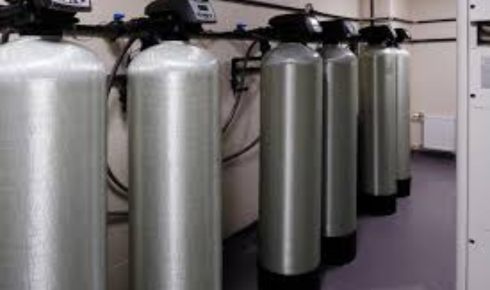
This is where whole home systems start to make sense. Instead of targeting one point, they treat water as it enters your home. Every tap, every shower, every appliance benefits from the same level of improvement.
It’s a more comprehensive approach, and for many, it creates a noticeable sense of consistency. You’re not adjusting to different water conditions in different parts of your home—it all just works the same.
How It Fits Into Your Existing Setup
One of the biggest concerns people have is whether these systems will complicate their home setup. Will it require major changes? Will it disrupt daily routines?
In most cases, the answer is no.
Modern setups are designed with water softener integration in mind. They work alongside your existing plumbing, quietly improving water quality without demanding constant attention. Once installed, they tend to fade into the background—doing their job without making a fuss.
And honestly, that’s what most homeowners want. A solution that works without becoming another thing to manage.
The Subtle Shift You Start to Notice
Here’s the interesting part—when your water improves, the changes don’t shout.
You won’t wake up one day feeling like everything is different. Instead, you’ll notice small things. Your towels feel softer. Your dishes look clearer. Your skin doesn’t feel as dry after a shower.
It’s subtle. But it’s consistent.
And over time, those small improvements add up to something meaningful.
Why It’s Not About Perfection
It’s easy to think that improving your water means aiming for perfection. But that’s not really the goal.
You’re not trying to create some ideal version of water—you’re just trying to make it work better for your home. More predictable, more comfortable, less frustrating.
And that’s a much more achievable target.
Maintenance: The Part That Keeps It All Running
Of course, no system is completely hands-off. There’s always a bit of upkeep involved. Checking salt levels, occasional servicing, making sure everything is running smoothly.
But it’s not overwhelming. Once you get used to it, it becomes part of your routine—like any other aspect of home maintenance.
And the payoff? Water that consistently behaves the way you expect it to.
Listening to What Your Home Is Telling You
Your home has a way of giving you feedback, if you’re willing to notice it.
The buildup on your fixtures, the way your appliances perform, the feel of your water—these are all signals. You don’t need to analyze them deeply, just pay attention.
Because once you do, it becomes easier to understand what’s happening and what might help.
A Final Thought, Kept Simple
Improving your home’s water isn’t about chasing the latest technology or installing the most advanced system available.
It’s about reducing friction. Making everyday tasks feel easier. Creating a home environment that works with you, not against you.