
If you’ve lived in Florida for more than a few months, you’ve probably noticed something about the water. Maybe it’s the chalky film on your shower glass. Maybe it’s the way your dishwasher leaves cloudy spots no matter how much rinse aid you pour in. Or maybe it’s just that your skin feels oddly dry, even in a state famous for humidity.
At some point, many homeowners start asking the same question: do I actually need a water softener in Florida, or is this just how things are here?
It’s a fair question. And the answer isn’t one-size-fits-all — but it’s worth understanding what’s really happening in your pipes.
Why Florida’s Water Is Different
Florida’s water supply is heavily influenced by limestone aquifers. The ground beneath much of the state is rich in calcium carbonate, and as water moves through those layers, it picks up minerals along the way.
That’s why hard water in Florida is such a common topic among homeowners. Calcium and magnesium levels tend to be higher than in many other parts of the country. While that mineral content isn’t harmful to drink at typical levels, it can create some frustrating side effects around the house.
White scale buildup on faucets. Reduced water pressure from clogged showerheads. Stiff laundry. Appliances that don’t seem to last as long as they should.
It’s not dramatic. It’s just persistent.
The Everyday Annoyances Add Up
Hard water doesn’t usually cause immediate, obvious damage. Instead, it works quietly over time.
Every time you heat water — whether in your water heater, washing machine, or dishwasher — minerals separate and cling to surfaces. That’s scale. And once it starts forming inside appliances, efficiency drops.
Your water heater may use more energy because heating elements are coated in mineral deposits. Your washing machine might struggle to rinse detergent completely. Even your coffee maker can develop buildup that changes flavor.
And then there’s soap. Hard water interferes with lathering, which means you end up using more shampoo, more body wash, more detergent. It’s subtle, but it adds up.
So, Do You Really Need One?
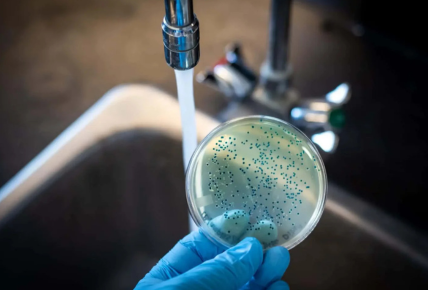
Not every Florida home has severe hardness levels. Water quality can vary by county, even by neighborhood. The smartest first step is testing your water. A simple hardness test will tell you exactly where you stand.
If your levels are moderate to high, installing a softener can make a noticeable difference. The key is understanding the real water softener benefits, beyond just “softer water.”
For starters, softened water helps prevent scale buildup in pipes and appliances. That can extend the lifespan of expensive equipment — especially water heaters, which are particularly vulnerable to mineral deposits.
You’ll likely notice cosmetic improvements too. Glassware dries clearer. Shower doors stay cleaner longer. Soap lathers properly. Towels feel softer without heavy fabric softener.
And perhaps most surprisingly, many homeowners report that their skin and hair feel better. Less dryness. Less residue. It’s not magic — it’s chemistry.
What a Softener Actually Does
Water softeners typically use an ion exchange process. Calcium and magnesium ions are swapped for sodium or potassium ions as water flows through a resin tank. The result is water that doesn’t leave behind hard mineral deposits.
Some homeowners worry about sodium content. In reality, the amount added is usually small — often less than what you’d find in a slice of bread. For those with specific health concerns, potassium-based systems are an alternative.
Maintenance is fairly straightforward. Most systems require periodic salt refills and occasional servicing. It’s not complicated, but it does require attention.
Is It Worth the Investment?
That depends on your perspective.
Installing a softener isn’t free. There’s the upfront cost, plus ongoing salt and maintenance expenses. But compare that to replacing a prematurely worn-out water heater. Or calling a plumber to clear scale-clogged pipes.
There’s also the comfort factor. You stop scrubbing faucets every weekend. You stop wondering why your dishwasher isn’t performing well. Daily routines feel smoother — literally.
In Florida’s humid climate, where showers are frequent and air conditioning systems work overtime, minimizing scale and improving water performance can feel especially worthwhile.
Not All Systems Are Equal
If you decide to move forward, don’t just grab the first unit you see online. Florida’s water chemistry varies, and a professional evaluation can help determine the right system size and type for your home.
Some areas may also benefit from additional filtration to address chlorine or sediment, depending on whether you’re on municipal water or a private well.
Customization matters.
A Practical Perspective
Here’s the honest truth: you can live with hard water. Many people do. It’s not an emergency situation.
But if you’re tired of scrubbing scale, replacing appliances sooner than expected, or dealing with stubborn soap residue, a water softener becomes less of a luxury and more of a practical upgrade.
In a state like Florida — where mineral-rich groundwater is common — understanding your water is part of responsible homeownership.
So if you’ve been wondering whether it’s worth it, start with a test. Get the numbers. Then decide based on facts, not assumptions.
Because sometimes, the smallest adjustments — like improving your water — make everyday life noticeably easier. And in a place where comfort matters year-round, that’s not a minor thing.