
There’s a certain kind of magic that happens in the kitchen — the sizzle of onions hitting a hot pan, the warmth radiating from a preheated oven, the quiet satisfaction of a burner doing exactly what it should. But when that magic fades, when your stove won’t spark or your oven won’t heat, cooking turns from joyful to frustrating real quick.
We don’t always appreciate how much we rely on our cooking appliances — until they stop working. And then suddenly, every meal becomes a workaround. Sandwiches again? Takeout again? Been there.
But the truth is, most cooking appliance issues don’t pop up out of nowhere. They start small. They send signals. And with the right habits (and help), you can keep things running smoothly for years to come. Let’s talk about that.
A Little Attention Goes a Long Way
We clean the dishes, wipe the counters, maybe even scrub the sink — but when’s the last time you gave your range a second thought?
Range maintenance isn’t just about appearances. Sure, it feels nice when everything looks clean, but it’s what’s underneath that really matters. Grease buildup, blocked burner ports, dusty oven vents — all of these can quietly sabotage performance and even pose safety risks if left ignored.
You don’t need to go full detail-mode every week, but simple habits — like wiping spills as they happen, checking burner caps for alignment, and gently vacuuming behind the unit once in a while — can make a big difference. Your range will run better, last longer, and honestly? You’ll just enjoy using it more.
Why Calling a Pro Isn’t a Last Resort — It’s Smart Strategy
A lot of us grew up thinking we should fix everything ourselves. Tighten a bolt here, jiggle a knob there. But when it comes to gas lines, electrical heating elements, and temperature sensors? That’s a different ballgame.
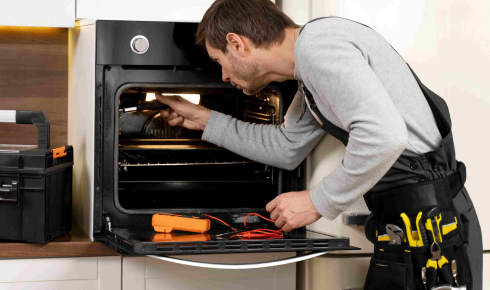
Sometimes, the smartest move is calling in a professional stove service — not because you can’t do it yourself, but because your time (and safety) is worth more than playing guessing games with live wires or gas fittings.
A trained tech knows what to look for. They’ve seen the patterns. They come in with diagnostic tools, a calm approach, and an understanding of how your appliance should behave — not just how it looks on the outside. And bonus: they’re less likely to make things worse in the process.
When the Brand Name Matters
Let’s say you invested in a big-name oven — maybe a Wolf, Bosch, GE Monogram, or Samsung model. These aren’t just cooking tools; they’re kitchen centerpieces. Built to perform, designed to impress. But even high-end machines aren’t immune to wear and tear.
The key with major brand oven repair is knowing what makes each model tick. That’s not just about fixing a broken part — it’s about understanding how that specific brand’s systems are engineered to work. Different brands have different diagnostic modes, part requirements, and even service protocols.
If your luxury oven is acting up — fluctuating temps, slow preheating, uneven baking — don’t roll the dice with a generalist who’s never worked on that model. You want someone who’s been there, done that, and has access to the right tools and parts.
Cooking Problems You Shouldn’t Ignore
Not everything’s an emergency, but some signs deserve your attention before they spiral into expensive fixes:
- Uneven flame on your gas burners? Could be blocked ports or air-to-gas imbalance.
- Burners that won’t spark or constantly click? Likely a bad ignition switch or moisture problem.
- Oven takes forever to preheat or overshoots the temp? Sensor or control board might be on its way out.
- Strange smells or humming sounds? Never normal. Always worth checking.
If your gut says something’s off, it probably is. And the earlier you deal with it, the cheaper (and simpler) it usually is to fix.
The Cost of Doing Nothing
Here’s the sneaky part: many appliance issues don’t cause complete failure right away. They just make things slightly worse over time. Slightly higher energy bills. Slightly longer cook times. Slightly more uneven baking. It’s easy to ignore — until it’s not.
Over time, stress on failing parts can damage other components, snowballing into a full breakdown. That $120 part you could’ve replaced becomes a $500 repair. Or a full replacement. Ouch.
And let’s be honest — it’s not just money. It’s the inconvenience. The last-minute scramble for a repair appointment. The “what do we do for dinner now?” conversations. The loss of your favorite weekend baking ritual.
Your Appliance Deserves Better Than Guesswork
Think about it: your range, stove, and oven have been there for you through weeknight chaos, lazy Sundays, dinner parties, and quiet solo meals. That deserves a little respect, right?
Whether it’s a once-a-year professional checkup, a DIY deep clean, or just being more mindful of how it sounds and smells — these little actions keep the kitchen humming.
And when something does break? Don’t wait. Don’t duct tape it. Don’t cross your fingers and hope.
Make the call. Get the fix. Then get back to the meals that matter.
Final Thoughts: It’s More Than an Appliance
We often talk about stoves and ovens like they’re just things — machines that heat food. But the truth is, they’re part of the rhythm of home. The background players in so many meaningful moments.
So yeah, when they act up, it’s frustrating. But it’s also fixable. And the right repair doesn’t just bring back function — it brings back that feeling of normalcy, comfort, and control.