
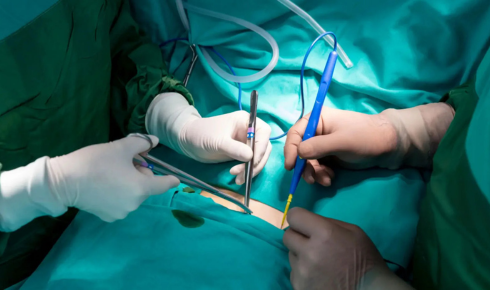

Let’s be honest — nobody daydreams about having surgery. Whether it’s planned or unexpected, the idea of being wheeled into an operating room, put under, and stitched up can stir up a whole cocktail of emotions: anxiety, confusion, hope, and probably more than a few “what ifs.” And when the procedure involves your core — your literal center — things can feel even more intense.
That’s the reality with abdominal surgery. It’s one of those terms that covers a whole range of procedures — from hernia repairs and gallbladder removals to complex organ resections. It sounds clinical, maybe even routine. But for the person going through it, it’s deeply personal.
Before the First Cut: Conversations That Matter
Before the gown, the IV, and the countdown from ten, there’s something important that happens — a conversation. Or at least, there should be. A surgery consultation isn’t just a box to tick. It’s your time to understand what’s happening, why it’s needed, what the risks are, and what healing will actually look like.
Don’t be afraid to ask real questions:
- “What will recovery be like for me?”
- “How much help will I need at home?”
- “Is this the best option or are there alternatives?”
The best surgeons know how to explain complex things in plain English. If you leave the office more confused than when you came in, that’s a red flag. A solid consultation is built on clarity, honesty, and space for your voice — not just theirs.
The Anatomy of Recovery: It’s More Than Just Rest
Here’s something no one tells you before surgery: recovery isn’t just about lying in bed and waiting for your stitches to heal. It’s about rebuilding your relationship with your body — slowly, awkwardly, and sometimes frustratingly.
You might shuffle for a few days instead of walking. You’ll brace yourself before sneezing. Simple tasks like getting out of a chair, reaching for something on a shelf, or laughing too hard can surprise you with sharp reminders that hey, you’ve just had surgery.
This is especially true after something like hernia repair. It’s one of the most common abdominal surgeries, yet it’s easy to underestimate. Hernias may seem minor on the surface — a small bulge, a dull ache — but the repair process is serious business. Whether done laparoscopically or through open surgery, it takes time for muscle walls to strengthen and re-stabilize. Pushing too soon can undo what was fixed.
So yes, rest. But also walk — gently and often. Hydrate. Fuel your body with real food. And don’t skip follow-ups. They matter.
The Emotional Side Nobody Prepares You For
Surgery does a number on your body, sure. But it also shakes up your headspace in ways you might not expect. You might feel helpless at times. Or weepy. Or weirdly quiet. There’s something vulnerable about being on the mend — especially if you’re used to being the “strong one.”
Let yourself feel it all. It doesn’t mean you’re weak. It means you’re healing — on every level. Lean on your people. Journal if that’s your thing. Or just admit that this is a strange season and it’s okay to not have it all together.
Surgical Techniques Are Smarter Than Ever
Not too long ago, most abdominal surgeries involved large incisions and long recoveries. Today? The majority are done using advanced surgical techniques that are designed to reduce trauma and speed up healing.
Minimally invasive procedures — like laparoscopy — use tiny instruments and a camera to perform surgery through small incisions. That means less bleeding, lower risk of infection, and smaller scars. But more than that, it often means a quicker return to normal life.
The tools have changed, but the principle stays the same: the right technique is the one that fits your body and your situation best. Not every patient is a candidate for the latest method — and that’s okay. A good surgeon doesn’t just chase trends. They choose what’s best for you.
Returning to Life, Bit by Bit
At some point, the days blur together a little less. You move a little faster. You sleep a little deeper. You stop noticing your stitches or your scar. And suddenly, you realize — life’s creeping back in.
But let’s not gloss over this: getting “back to normal” isn’t a straight line. It’s more like a winding road with a few potholes and maybe a detour or two. The important part is that you’re still moving — at your own pace.
Whether you’re recovering from major abdominal surgery or a relatively quick outpatient procedure, the road to feeling whole again takes time. And intention. And, honestly, a lot of patience.
Closing Thoughts: You’ve Got This
Surgery is a disruption. There’s no getting around that. But sometimes, it’s the kind of disruption that saves your health, your comfort, even your life.
So if you’re reading this while planning your surgery consultation, recovering in bed, or helping someone you love through the process — just remember: you’re not alone. Ask questions. Honor your healing. Let yourself be supported.
Because the truth is, there’s no such thing as “just a hernia” or “just a quick fix.” Every cut, every stitch, every cautious first step afterward — it all matters. And so do you.
