
Most of us don’t think about water unless something goes obviously wrong. If the tap runs, the shower works, and the dishes come out reasonably clean, we assume everything is fine. Water feels like one of those basic things that simply belongs to the background of life — always present, always reliable, and rarely questioned.
But over time, subtle signs can begin to appear. Maybe the washing machine seems less efficient than it used to be. Or your skin feels slightly dry after every shower, no matter what soap you try. Perhaps there’s a faint buildup around faucets that keeps coming back, no matter how often you scrub.
These small changes often don’t seem connected at first. Yet they frequently trace back to one underlying factor: water quality.
Why Water Quality Matters More Than We Realize
Water travels a long journey before it reaches our homes. It passes through underground soil layers, pipelines, storage systems, and treatment facilities. Along the way, it can pick up minerals, chemicals, and natural elements that affect how it behaves.
Most municipal water systems do an excellent job ensuring safety standards are met. However, “safe” doesn’t always mean “ideal” for everyday use. Water can still contain elements that influence taste, performance, and long-term household comfort.
This is where understanding water quality becomes important — not out of fear, but out of awareness.
The Subtle Impact on Personal Well-Being
One of the first areas where water quality can show its effects is personal comfort. Mineral-heavy water, for instance, can leave behind residue that prevents soap from rinsing completely. This residue can lead to dry skin, dull hair, or irritation for people with sensitivities.
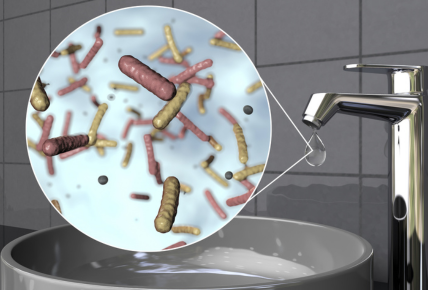
In some cases, concerns extend beyond comfort to broader health concerns, particularly when water contains contaminants like bacteria, heavy metals, or chemical residues.
While these situations are not common in properly treated municipal supplies, they can occur in private well systems or aging infrastructure.
Regular testing and proper filtration can help ensure water remains safe and suitable for daily use.
Understanding these possibilities allows homeowners to address issues proactively rather than reacting to problems later.
What Happens Inside Your Pipes
Water quality also plays a significant role in the condition of plumbing systems. Hard water, which contains high levels of calcium and magnesium, can leave scale deposits inside pipes over time.
These deposits gradually narrow pipe interiors, reducing water flow and increasing pressure strain. Eventually, this can lead to leaks, clogs, or costly repairs.
This process, often referred to as plumbing damage, occurs slowly and quietly, making it easy to overlook until symptoms become noticeable.
Preventing mineral buildup through water treatment solutions can significantly extend the lifespan of plumbing systems and reduce maintenance costs.
The Effects on Household Appliances
Another area where water quality makes a noticeable difference is appliance performance. Water heaters, dishwashers, and washing machines all rely on consistent water flow and clean internal components.
When water contains excessive minerals or sediments, these substances can accumulate inside appliances, reducing efficiency and increasing energy consumption.
Over time, this buildup contributes to appliance wear, shortening equipment lifespan and leading to more frequent repairs or replacements.
Proper water treatment helps prevent these issues, allowing appliances to operate more efficiently and last longer.
Everyday Signs You Might Be Missing
Many homeowners live with water quality issues without realizing it. The signs are often subtle and easy to attribute to other causes.
For example, cloudy dishes might be blamed on detergent. Slow water flow may be attributed to aging pipes. Dry skin could be linked to weather changes.
But when multiple small symptoms appear together, water quality often plays a central role.
Recognizing these patterns can help homeowners take simple steps to improve overall comfort and system performance.
How Modern Water Treatment Helps
Advances in water treatment technology have made it easier than ever to address quality concerns effectively.
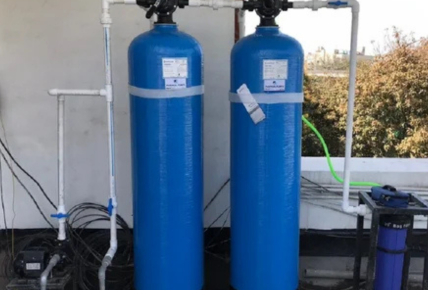
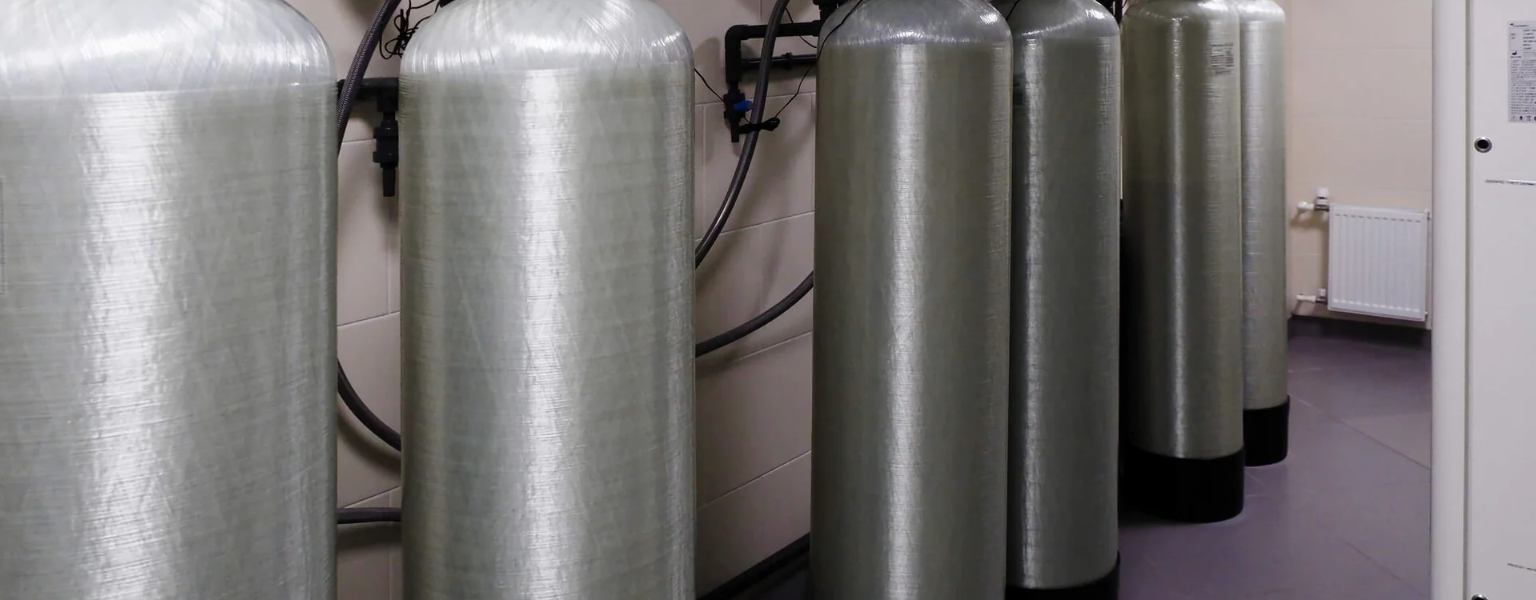
Filtration systems can remove sediments, chlorine, and chemical residues that affect taste and odor. Water softeners help reduce mineral buildup, preventing scale formation.
Specialized treatment systems can target specific contaminants, ensuring safe and reliable water throughout the home.
These solutions are designed not only to protect infrastructure but also to enhance everyday usability.
The Financial Benefits of Better Water Care
Improving water quality can also lead to long-term financial savings. Appliances that operate efficiently consume less energy. Plumbing systems require fewer repairs. Cleaning products work more effectively, reducing chemical usage.
Over time, these benefits often offset the initial investment in water treatment solutions.
It’s a classic example of preventive care — addressing small issues before they develop into larger, more expensive problems.
The Comfort of Reliable Water
Beyond practical advantages, there’s an emotional aspect to water quality. Knowing that the water flowing through your home is clean, efficient, and reliable creates a sense of confidence.
You don’t hesitate to fill a glass from the tap. Cleaning feels easier. Daily routines become smoother and more predictable.
These subtle improvements contribute to overall household well-being.
Paying Attention to What’s Already There
Water may seem simple, but it plays a central role in every aspect of daily life. From personal comfort to appliance performance and infrastructure protection, its quality affects far more than we often realize.
By understanding how water interacts with our homes and bodies, homeowners can make informed decisions that improve both comfort and long-term reliability.
Because sometimes, the most important changes aren’t dramatic — they’re the quiet ones that make everyday life just a little easier, one drop at a time.