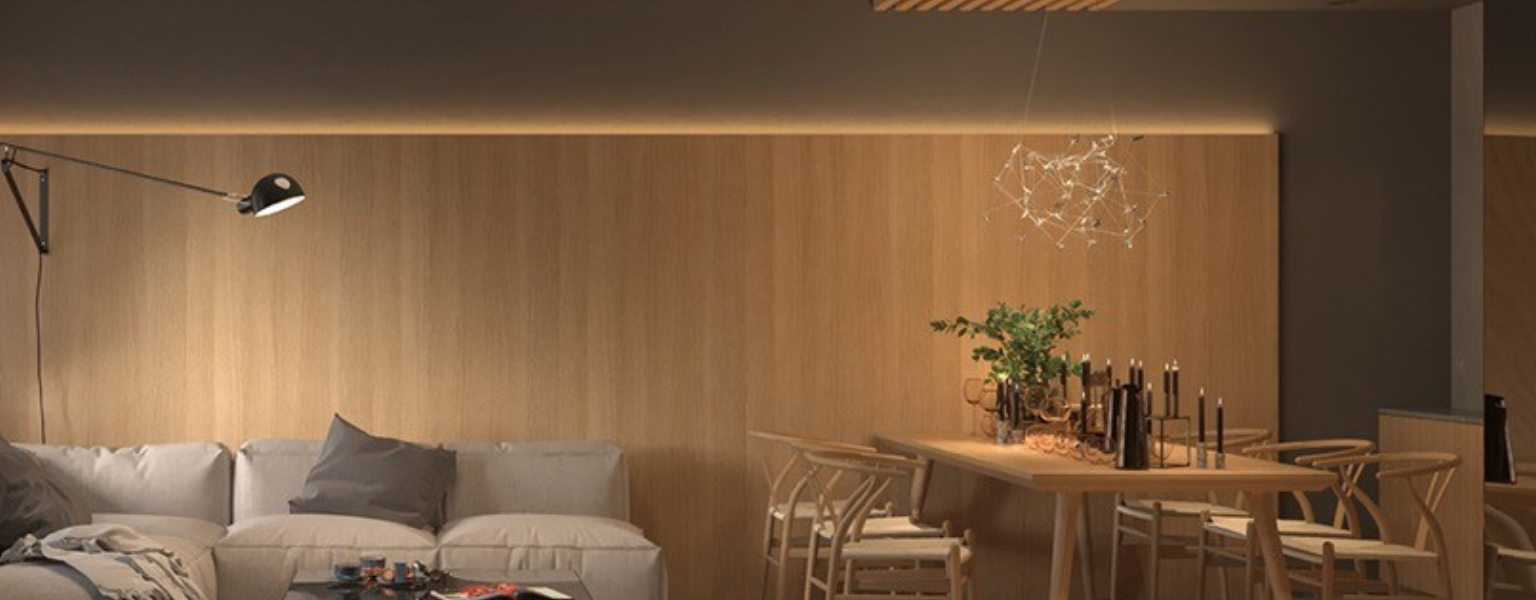

There’s something almost magical about good lighting. You can walk into the same room at noon and at 8 p.m., and it feels like two entirely different places. One bright and functional, the other soft and intimate. Same furniture. Same paint. Same layout. But the mood? Completely shifted.
And yet, lighting is often the last thing people think about when designing a home. We focus on sofas, rugs, art — the visible pieces. But light is the invisible designer. It shapes shadows, highlights texture, and changes how colors are perceived.
If a room feels flat or slightly off and you can’t quite explain why, chances are the lighting deserves a second look.
Start by Noticing What Feels Wrong
Before diving into fixtures and bulbs, stand in the room at different times of day. Where does the light fall? What areas feel dim or ignored? Is the overhead light doing all the heavy lifting?
Many homes rely too heavily on a single ceiling fixture. It’s practical, yes, but it rarely creates warmth. Harsh overhead lighting can wash out color and flatten texture. The solution isn’t necessarily more light — it’s better placement.
This is where thoughtful interior lighting tips come into play. Instead of treating lighting as an afterthought, think of it as a tool for shaping atmosphere. Add light where you want attention. Soften it where you want calm. Create contrast instead of uniform brightness.
Rooms need shadows just as much as illumination.
The Secret to Softening a Space
One of the simplest ways to elevate a room is through layered lighting. Think of it like dressing in layers — you wouldn’t rely on just one piece of clothing for warmth, so why rely on one light source for an entire room?
Start with ambient lighting, which provides overall illumination. This could be a ceiling fixture or recessed lights. Then add task lighting — a desk lamp for reading, under-cabinet lights in the kitchen, a bedside lamp. Finally, incorporate accent lighting to highlight art, shelves, or architectural details.
When these layers work together, the room feels dynamic. Balanced. Inviting.
And the beauty of layering is flexibility. You can adjust the mood depending on the time of day or your energy level. Bright and focused in the morning. Soft and relaxed in the evening.
Brightening What’s Been Overlooked
Every home has them — those awkward, shadowy spots that feel slightly forgotten. A corner near the sofa. A narrow hallway. The space beside a bookshelf.
To truly brighten dark corners, you don’t always need dramatic fixtures. Sometimes a simple floor lamp angled upward can bounce light off the ceiling and open up the space. A wall sconce can add depth without taking up floor area. Even a small table lamp on a console can transform a dim entryway.
Mirrors help, too. They reflect both natural and artificial light, subtly expanding the room. Position one across from a window or near a lamp to amplify brightness.
The goal isn’t to eliminate every shadow. It’s to soften them thoughtfully.
Choosing the Right Bulb (It Matters More Than You Think)
It’s easy to overlook bulb temperature, but it can completely change a room’s personality.
Warm white bulbs create a cozy, inviting feel — perfect for living rooms and bedrooms. Cool white bulbs are brighter and more energizing, better suited for kitchens or workspaces.
Mixing temperatures within a home is normal. The key is intentionality. If everything feels slightly sterile, try swapping a few bulbs for warmer tones. If a room feels too dim or sleepy, introduce a cooler accent light for contrast.
Small adjustments can make a noticeable difference.
Let Natural Light Do Its Work
Artificial lighting is important, but natural light remains unmatched.
Keep window treatments light and airy where privacy allows. Sheer curtains filter sunlight beautifully without blocking it. If privacy is a concern, layer sheer panels with heavier drapes that can be drawn at night.
Pay attention to how light moves through your home during the day. You might discover that a reading chair feels best in the morning sun, or that a certain corner glows in late afternoon light.
Design around these moments. They’re fleeting, but powerful.
Don’t Forget the Emotional Layer
Lighting isn’t purely functional. It’s emotional.
Think about how a candlelit dinner feels compared to a fluorescent-lit cafeteria. The right light slows us down. Encourages conversation. Creates intimacy.
In your own home, use light to signal transitions. Dim lamps in the evening to mark the end of the workday. Switch on softer lights in the bedroom to cue relaxation. Let the lighting mirror your rhythm.
These subtle cues shape how we experience our space.
Common Mistakes to Avoid
There are a few pitfalls worth mentioning.
First, relying solely on overhead lighting. It rarely flatters a room on its own.
Second, placing lamps too high or too low. The bottom of a lampshade should typically sit around eye level when seated, so light spreads evenly without glare.
Third, ignoring scale. A tiny lamp on a large console looks lost. An oversized floor lamp in a compact room can overwhelm.
Balance matters.
Light as the Finishing Touch
When you adjust the lighting in a room, it can feel as though you’ve redecorated — even if nothing else has changed. Textures become more pronounced. Colors soften or deepen. The entire atmosphere shifts.
It’s one of the most accessible ways to transform a home without knocking down walls or replacing furniture.
And maybe that’s the quiet beauty of it. Light works behind the scenes. It doesn’t demand attention, but it shapes everything.
So the next time a room feels unfinished or uninspired, look up. Look around. And consider how the light might tell a different story.