
Most of us don’t think about water until something goes wrong.
A leaking pipe. A water heater that suddenly stops working. A dishwasher that leaves dishes cloudy no matter how much rinse aid you use. We react when there’s a problem—but rarely before.
The truth is, some of the most expensive issues in a home don’t arrive dramatically. They creep in slowly, one mineral deposit at a time.
Hard water—water rich in calcium and magnesium—is common in many regions. It’s not dangerous to drink. It’s not immediately destructive. But over the years, it quietly shapes how your home performs.
And that long-term effect deserves a closer look.
The Story Behind That White Film
If you’ve ever noticed a chalky layer around faucets or shower heads, you’ve seen hard water at work.
When water evaporates, minerals remain behind. That residue might seem cosmetic, but it’s a visible hint of what’s happening inside pipes and appliances.
Inside a water heater, mineral deposits cling to heating elements. In washing machines and dishwashers, they line internal components. Over time, the buildup thickens.
One of the biggest advantages of addressing hard water is reduced scale buildup. When minerals are managed before they circulate through your home, surfaces stay cleaner and internal components operate with less strain.
It’s preventive care in its simplest form.
And preventive care almost always costs less than repairs.
Appliances Under Pressure
Let’s talk about your water heater for a moment.
Heating water efficiently requires direct contact between heating elements and the water itself. But when scale coats those elements, it acts like insulation. The heater has to work harder to reach the same temperature.
Hard water can quietly shorten your appliance lifespan, not because machines fail instantly, but because they endure constant low-level stress.
A dishwasher that should last 10–12 years might struggle earlier. A washing machine may need service more frequently. Water heaters can lose efficiency long before their expected replacement date.
None of this happens overnight.
And that’s exactly why it’s easy to ignore.
Efficiency You Can’t Always See
Scale buildup doesn’t just affect durability. It affects performance.
Clogged shower heads reduce water pressure. Narrowed pipes restrict flow. Heating elements coated in minerals require more energy to function.
That means higher utility bills—not dramatically higher, but incrementally so.
Over time, those incremental increases accumulate.
Homeowners often focus on insulation, windows, or HVAC upgrades to improve efficiency. Rarely does water quality enter the conversation.
Yet water touches nearly every appliance in the house.
And efficiency isn’t only about electricity or gas. It’s about how smoothly systems operate overall.
The Cleaning Paradox
Hard water also changes how soap behaves.
Minerals bind with detergents, reducing lather and leaving behind residue. You end up using more shampoo, more laundry detergent, more dish soap—just to achieve the same results.
Clothes may feel stiff. Dishes may appear cloudy. Skin might feel slightly dry after showers.
These aren’t emergencies. They’re annoyances.
But small annoyances, multiplied daily, affect comfort and cost.
Reducing hardness levels often improves how effectively cleaning products work. That means less product per use and less frustration along the way.
The Long View: Budget Considerations
Let’s be honest—installing a water treatment system isn’t free.
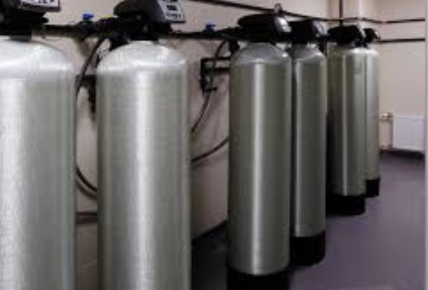
There’s equipment cost. Installation. Maintenance. Ongoing salt replenishment in the case of softeners.
So it’s fair to ask: is it worth it?
The answer often depends on the long-term budget impact rather than immediate savings.
If reduced mineral buildup extends appliance life by several years, that’s meaningful. If improved efficiency lowers energy usage slightly month after month, that adds up. If fewer plumbing repairs are needed over a decade, the math starts to shift.
The value lies in cumulative effect, not instant return.
Testing Before Acting
Not every home has severe hard water.
Some regions experience mild mineral content that causes minimal disruption. Others deal with significant hardness that almost guarantees scale formation.
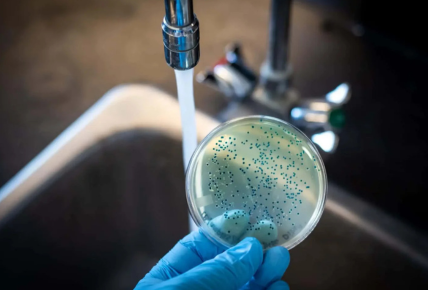
Testing your water provides clarity. Hardness levels are typically measured in grains per gallon (GPG) or parts per million (PPM). Knowing your number helps you decide whether action is necessary—or if occasional maintenance is enough.
Data beats guesswork every time.
It’s About Control, Not Panic
Hard water isn’t dangerous. It doesn’t require alarm.
But it does warrant awareness.
Understanding how minerals interact with plumbing systems empowers you to make informed decisions. Maybe that decision is installing a softener. Maybe it’s routine descaling. Maybe it’s simply monitoring over time.
There’s no one-size-fits-all answer.
What matters is recognizing that water quality influences home performance in ways that aren’t immediately obvious.
A Quiet Upgrade That Protects the Everyday
We often invest in visible improvements—fresh paint, upgraded fixtures, new flooring.
But some of the most impactful upgrades are hidden.
When scale is minimized and appliances operate efficiently, daily life feels smoother. Showers maintain pressure. Laundry feels softer. Energy usage stabilizes.