When You Start Questioning Your Water: A Real-World Look at Bacteria, Filtration, and Peace of Mind

Most of us don’t give much thought to the water flowing from the tap. We turn it on. We fill a glass. We cook dinner. Life moves on.
But every so often, something shifts. Maybe you read a local water report that mentions contamination. Maybe you’ve recently moved into a home with a private well. Or maybe a neighbor casually says, “You might want to get your water tested.”
That’s usually when curiosity turns into concern.
And when it comes to bacteria concerns, it’s understandable. Water is something we ingest daily. It touches our skin, our dishes, our children’s sippy cups. If there’s even a small question mark hovering over it, we feel it.
Not panic — just a quiet unease.
Understanding the Risk Without Overreacting
Let’s start here: most municipal water systems are regulated and treated to meet safety standards. Chlorination and other disinfection processes are designed specifically to eliminate harmful microorganisms before water reaches your home.
Private wells are a different story. They’re not monitored by a central authority. Testing falls on the homeowner.
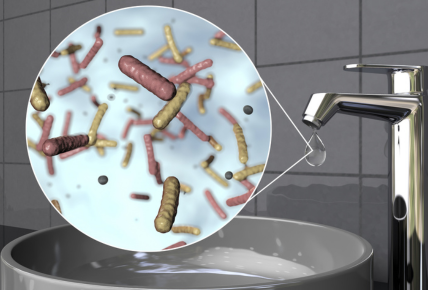
Bacteria can enter well water through surface runoff, faulty well caps, septic issues, or environmental changes. Heavy rains and flooding can temporarily alter groundwater conditions.
That doesn’t mean your water is unsafe. It means awareness matters.
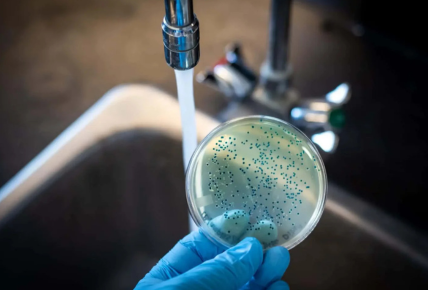
Testing annually — or after significant environmental changes — is a simple, proactive step. It turns uncertainty into information.
And information reduces anxiety.
The Subtle Signs You Might Notice
Unlike iron staining or sulfur odor, bacteria don’t always announce themselves.
Sometimes water looks clear, smells fine, tastes normal.
Other times, you might notice cloudiness, an unusual odor, or mild gastrointestinal discomfort in the household. These signs aren’t definitive proof of contamination, but they’re reminders that water quality isn’t always visible.
That’s what makes testing so important. You can’t rely on your senses alone.
It’s easy to assume “clear water equals clean water.” Sometimes it does. Sometimes it doesn’t.
The Role of Filtration and Disinfection
If testing reveals bacterial presence, the next question is obvious: what now?
There are several filtration solutions available, and the right one depends on your water source and the type of contamination detected.
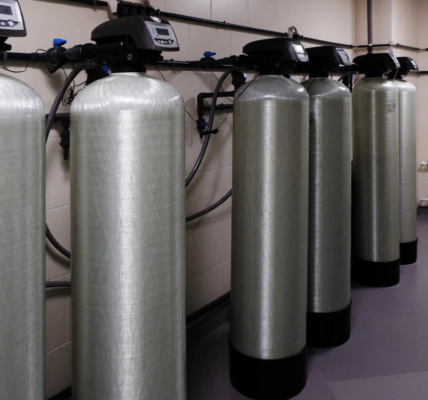
UV (ultraviolet) purification systems are commonly used for well water. They neutralize bacteria by disrupting their DNA, preventing reproduction. Chemical disinfection methods, like chlorination, can also be applied when necessary.
It’s important to understand that not all filtration systems address bacteria. Basic sediment filters and carbon filters improve taste and clarity, but they don’t eliminate microbial contaminants.
That distinction matters.
Choosing the right solution isn’t about buying the most expensive system. It’s about matching the system to the problem.
Municipal Water Isn’t Immune
Even in areas with treated municipal water, temporary disruptions can occur. Aging infrastructure, pipe breaks, or maintenance issues may lead to boil water advisories.
Those alerts are usually precautionary. But they remind us that water safety is an ongoing process, not a one-time guarantee.
Homeowners who want an added layer of confidence sometimes install point-of-use purification systems for drinking water. It’s not about distrust. It’s about redundancy.
Redundancy can feel reassuring.
Building Confidence in Your Water
Ultimately, the goal isn’t to obsess over every drop. It’s to establish confidence.
When you’ve tested your water and addressed any identified issues, you can turn on the tap without hesitation. You can rinse produce, fill a bottle, or give your dog a bowl without a second thought.
That confidence is what safe water really means in everyday life.
It’s not abstract. It’s practical.
And it’s personal.
Maintenance Is Part of Responsibility
If you install a UV system or other purification method, maintenance matters. Bulbs need replacing. Filters require periodic changes. Systems should be inspected regularly.
Skipping maintenance defeats the purpose.
Think of it like smoke detectors. They provide peace of mind — but only if they’re functional.
Well owners especially benefit from routine check-ins. Testing isn’t something you do once and forget. It’s an annual habit, like servicing a septic system or checking the roof after a storm.
That rhythm keeps surprises to a minimum.
Avoiding Fear-Based Decisions
It’s easy to fall into alarmist messaging when discussing water contamination. But fear rarely leads to clear decisions.
Instead of assuming the worst, start with facts. Test your water. Review local water quality reports. Consult professionals if needed.
Water safety isn’t about paranoia. It’s about stewardship.
You’re simply taking care of your home — and the people in it.
The Bigger Picture
Water connects to everything. Health, comfort, cooking, cleaning.
When it’s reliable, it fades into the background. When it’s questionable, it dominates your thoughts.
Addressing bacteria concerns and choosing appropriate filtration isn’t dramatic. It’s practical.
And practicality has a calming effect.
Final Thoughts
If you’ve started questioning your water quality, that’s not overthinking. It’s awareness.
Test first. Understand what’s actually present. Choose targeted solutions if needed. Maintain them properly.
Then let the worry go.
Because when your water is tested, treated appropriately, and maintained with intention, it becomes what it should have been all along — simple, dependable, and quietly supporting your daily life.