When You Start Questioning Your Water: A Practical Look at Safety, Bacteria, and Home Filtration

There’s a certain trust we place in the tap. You turn it on without thinking. You rinse fruit, fill a kettle, brush your teeth. Water is just… there. Constant. Familiar.
But every now and then, something shifts. Maybe there’s a boil-water advisory in a nearby town. Maybe your well test comes back with unexpected results. Or maybe you simply start paying closer attention to what you and your family consume every day.
That’s usually when water moves from background utility to front-of-mind priority.
And it’s a reasonable shift.
Understanding What “Safe” Really Means
In municipal systems, water is treated to meet regulatory standards before it reaches your home. It’s disinfected, monitored, and tested regularly.
Private well owners, on the other hand, carry more responsibility. The water isn’t treated by a city — it flows directly from underground sources into your plumbing.
That independence is empowering, but it also means staying alert to potential bacteria concerns. Heavy rains, nearby septic systems, or changes in groundwater conditions can introduce microbial contamination.
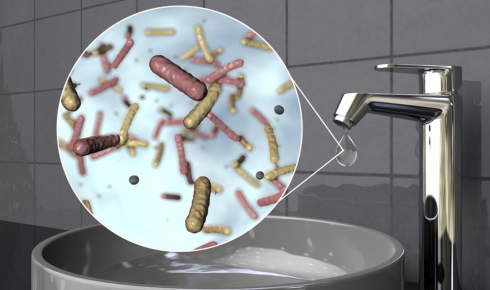
The tricky part? You can’t see bacteria. You can’t taste it. You usually can’t smell it.
Which is why regular testing is so important.
Testing once a year — or anytime you notice changes in taste, odor, or color — gives you actual data instead of relying on guesswork.
Signs That Something Might Be Off
Not all water issues scream for attention. Some whisper.
Cloudiness that lingers. A faint metallic taste. Digestive discomfort you can’t quite explain.
Of course, not every symptom points to contamination. But patterns matter. If multiple people in your household notice something unusual, it’s worth investigating.
Trust your instincts — then verify them with testing.
That’s the balanced approach.
Treatment Isn’t One-Size-Fits-All
Once you understand what’s in your water, the next step is deciding how to address it.
There are many filtration solutions available today, ranging from simple carbon filters to advanced UV disinfection systems. The right system depends entirely on your water profile.
For bacterial contamination, ultraviolet (UV) systems are often effective. They neutralize microorganisms without altering taste or adding chemicals.
If sediment or chlorine is the main issue, activated carbon filters may be sufficient.
Sometimes, multiple systems work together. For example, a sediment pre-filter protects a UV unit from clogging, ensuring it performs effectively.
It’s not about installing the biggest or most expensive system. It’s about matching the solution to the problem.
Why Maintenance Matters More Than Installation
Installing a filtration system can feel like crossing a finish line. But in reality, it’s just the beginning.
Filters need replacing. UV bulbs require periodic changes. Systems need inspection.
Neglecting maintenance undermines performance — sometimes quietly.
If your goal is safe water, consistency is key. A well-maintained system performs reliably. A neglected one may give a false sense of security.
Set reminders. Keep a simple maintenance log. It doesn’t need to be complicated — just consistent.
Municipal Water Isn’t Automatically Perfect
Even city-treated water can raise questions.
Aging infrastructure can introduce contaminants after water leaves the treatment plant. Plumbing inside older homes may contribute lead or other materials.
Filtration at the point of use — like under-sink systems — adds an extra layer of reassurance.
It’s not about distrusting public systems. It’s about recognizing that water travels a long path before reaching your glass.
And sometimes, adding a final checkpoint at home makes sense.
The Emotional Side of Water Safety
Water safety isn’t just technical. It’s emotional.
There’s something grounding about pouring a glass and not hesitating. About cooking dinner without second-guessing the ingredients. About knowing your kids are drinking from the tap without worry.
That peace of mind carries weight.
When you’ve tested your water, installed appropriate treatment, and kept up with maintenance, you replace uncertainty with confidence.
And that confidence shapes daily life in small but meaningful ways.
Testing: The Most Overlooked Step
Before installing any system, test your water.
This advice might sound repetitive, but it’s foundational.
You can purchase basic test kits or work with certified laboratories for comprehensive analysis. Testing reveals bacteria levels, pH balance, hardness, nitrates, and more.
Without it, you’re making decisions in the dark.
With it, you’re working from facts.
A Balanced Perspective
It’s easy to swing toward extremes — either assuming all water is perfectly fine or fearing the worst.
The reality usually sits somewhere in between.
Most water systems function well. Problems are often manageable when identified early. Filtration technology is more accessible than ever.
Water safety doesn’t require panic. It requires awareness.
Final Thoughts
Water is foundational to health and comfort. It’s easy to take for granted until something nudges you to look closer.
Whether you rely on municipal supply or a private well, staying proactive about testing and treatment keeps you ahead of potential issues.
Addressing bacteria, choosing the right filtration, and maintaining your system aren’t dramatic steps. They’re practical ones.