Water Is One of Life’s Quiet Necessities
Most people rarely think about their water system until something goes wrong. It’s understandable. Water is one of those resources that quietly supports daily life without demanding attention. We wake up, turn on the faucet, make coffee, wash dishes, and take showers without giving much thought to what happens behind the scenes.
Yet when water suddenly stops flowing or pressure drops unexpectedly, everything changes.
The simple routines we take for granted become frustrating obstacles. A morning shower becomes impossible. Laundry gets delayed. Cooking dinner turns into a challenge. In a surprisingly short amount of time, we realize just how much we rely on a dependable water source.
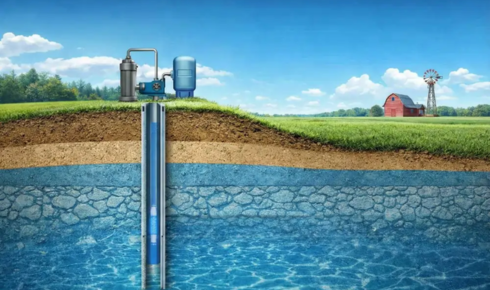
For homeowners who depend on private wells, understanding the importance of proper maintenance and system performance can make a world of difference.
The Independence That Comes With Private Wells
There’s something appealing about having your own water source. Many homeowners appreciate the self-sufficiency that comes with owning a private well. Unlike municipal water users, they aren’t dependent on city infrastructure or monthly water service fees.
Of course, independence comes with responsibility.
Private wells require occasional maintenance, monitoring, and a basic understanding of how the system operates. Fortunately, homeowners don’t need to become plumbing experts to keep things running smoothly. A little awareness can prevent many common issues before they become serious problems.
That’s one reason residential wells continue to be a popular choice in rural and suburban areas. They offer homeowners greater control over their water supply while providing reliable access when properly maintained.
For many families, that combination of independence and convenience is hard to beat.
What Happens Beneath the Surface
When people think about their water system, they usually picture the faucet in the kitchen or the shower in the bathroom. The reality is that most of the important work happens out of sight.
Underground pumps draw water from below the earth’s surface. Pressure tanks help regulate flow. Electrical components coordinate operation. Pipes transport water throughout the home whenever it’s needed.
It’s a complex process that works remarkably well when everything is functioning properly.
The fascinating part is that homeowners rarely notice any of it. The system quietly performs its job every day without demanding attention. That’s often the hallmark of a well-designed system—it simply works.
And honestly, that’s exactly what most homeowners want.
Why Consistent Pressure Matters
One of the first signs of a developing issue is often a change in water pressure.
Maybe the shower feels weaker than usual. Perhaps multiple fixtures can’t operate at the same time without noticeable drops in performance. Sometimes faucets begin sputtering or take longer to deliver a steady stream of water.
These changes may seem minor initially, but they can reveal underlying issues that deserve attention.
Pressure problems can result from aging equipment, leaks, pressure tank concerns, or increased household demand. Whatever the cause, addressing it early is usually easier and less expensive than waiting for a larger problem to develop.
Consistent pressure isn’t just about comfort. It also contributes to the overall efficiency and functionality of the home’s plumbing system.
Small Warning Signs Are Worth Noticing
One mistake many homeowners make is assuming water systems fail without warning.
In reality, most systems provide clues long before a major breakdown occurs. Strange noises, fluctuating pressure, increased energy usage, or changes in water flow can all indicate that something isn’t operating as it should.
The challenge is that these signs often develop gradually.
Because the changes happen slowly, homeowners adapt without realizing there’s an issue. What starts as a slight inconvenience can eventually become a significant repair.
Paying attention to these subtle warnings allows problems to be identified before they disrupt daily life.
Think of it like maintaining a vehicle. Catching a minor issue early is almost always preferable to dealing with a major mechanical failure later.
The Importance of Routine Maintenance
Water systems may operate quietly, but that doesn’t mean they should be ignored indefinitely.
Routine inspections help ensure that pumps, pressure tanks, electrical components, and plumbing connections continue functioning properly. Regular maintenance also provides an opportunity to identify wear before it leads to unexpected downtime.
Many homeowners postpone maintenance because everything appears to be working fine. Ironically, that’s often the best time to schedule an inspection.
Preventative care tends to be far less stressful—and less expensive—than emergency repairs.
A little attention today can prevent significant inconvenience tomorrow.
Why Professional Expertise Matters
While homeowners can monitor basic system performance, some situations require professional evaluation.
Experienced service providers understand how different components interact and can identify issues that may not be obvious during a casual inspection. They also understand regional conditions that influence well performance, including groundwater characteristics and seasonal fluctuations.
This expertise becomes especially valuable when diagnosing recurring problems or planning equipment upgrades.
The goal isn’t simply fixing issues as they arise. It’s ensuring the system continues delivering reliable performance over the long term.
That proactive approach often produces the best results.
Building Confidence Through Dependability
At the end of the day, what most homeowners really want is confidence.
They want to know that water will be available when they need it. They want showers to feel comfortable, appliances to function properly, and daily routines to proceed without interruption.
That’s where dependable service becomes so important.
Reliable system performance creates peace of mind that extends beyond convenience. It allows homeowners to focus on family, work, and everyday responsibilities rather than worrying about water-related problems.
And honestly, that kind of reliability is something people rarely appreciate until it’s missing.
Looking at the Bigger Picture
A well system is more than a collection of pumps, pipes, and tanks. It’s an essential part of a home’s infrastructure that supports countless daily activities.
From preparing meals and cleaning dishes to watering gardens and taking showers, water touches nearly every aspect of life. Because it’s used so frequently, even small improvements in reliability and performance can have a meaningful impact.
Investing time in understanding and maintaining a private well system is rarely wasted effort.
The benefits show up every day.
Final Thoughts
Private well systems provide homeowners with independence, convenience, and direct access to a vital resource. While these systems often operate quietly in the background, their importance becomes obvious whenever performance issues arise.
By paying attention to warning signs, prioritizing routine maintenance, and addressing concerns early, homeowners can protect both their investment and their comfort. Reliable water isn’t something most people think about often—but it’s something everyone depends on.
In the end, a well-maintained water system doesn’t just support a house. It supports the entire rhythm of daily life, making everything a little easier, a little smoother, and a lot more dependable.